Did you know over 70 million Americans live with high cholesterol? This condition boosts their risk of heart disease. It’s crucial to understand how cholesterol affects heart health for better management. By focusing on cutting down risk factors and managing cholesterol, we can protect our health. This article digs into ways to manage cholesterol, from what we eat to how we live, and even medicine options. These strategies help boost heart health and lower the dangers of high cholesterol.
Key Takeaways
- High cholesterol is a major risk factor for heart disease, affecting millions.
- Understanding the types of cholesterol, HDL (good) and LDL (bad), is crucial.
- Regular cholesterol screenings are essential for early detection and proactive management.
- Lifestyle changes, including diet and physical activity, can significantly impact cholesterol levels.
- A healthcare professional can help create a personalized cholesterol treatment plan.
- Consult health care resources for comprehensive cholesterol control strategies.
Understanding Cholesterol: The Good and The Bad
Cholesterol is a fat-like substance that’s key for building cells and making hormones. It comes from the liver and foods, especially from animals. Knowing the difference between cholesterol types is vital for heart health and reducing heart disease risk.
What is Cholesterol?
Cholesterol is vital for our bodies, but too much can be harmful. It affects our health based on our diet. Around 1 in 4 people are more affected by dietary cholesterol. High levels of bad cholesterol can lead to heart disease.
Types of Cholesterol: HDL vs LDL
There are two main kinds of cholesterol: HDL and LDL. HDL is the good kind, removing cholesterol from arteries to the liver for removal. It protects against heart disease. Optimal HDL levels are above 60 mg/dL. LDL, the bad kind, can cause plaque build-up and increase heart disease risk. Keeping LDL levels under 100 mg/dL is important for heart health.
To monitor cholesterol, get regular tests and learn to read lipid panel results. It covers total cholesterol, LDL, HDL, and triglycerides. The ACC/AHA suggests cholesterol screenings from age 2 for kids with a family history of heart disease. Managing good and bad cholesterol levels well reduces heart issues.
For more tips on spelling and understanding cholesterol, visit this guide. Learning about cholesterol helps us make better health choices.
Heart Disease Risk With High Cholesterol
Knowing how cholesterol and heart disease are linked is key to heart health. High cholesterol increases heart disease risks. This is because it can build up in arteries, causing atherosclerosis. This blockage limits blood flow.
The Link Between Cholesterol and Heart Disease
High cholesterol leads to heart issues like acute coronary syndrome, angina, and peripheral artery disease. People with high cholesterol may show symptoms. This shows why keeping an eye on cholesterol is important. The heart disease risk with high cholesterol is very real, especially after 40. It’s key to get screened regularly, as advised by health experts.
Consequences of High Cholesterol Levels
Too much cholesterol can cause atherosclerosis, leading to heart attacks or strokes. Being overweight, not exercising, and eating poorly can raise cholesterol. But, staying active can improve HDL cholesterol, which is good for you. Living a heart-healthy life helps control cholesterol and lower heart disease risk.
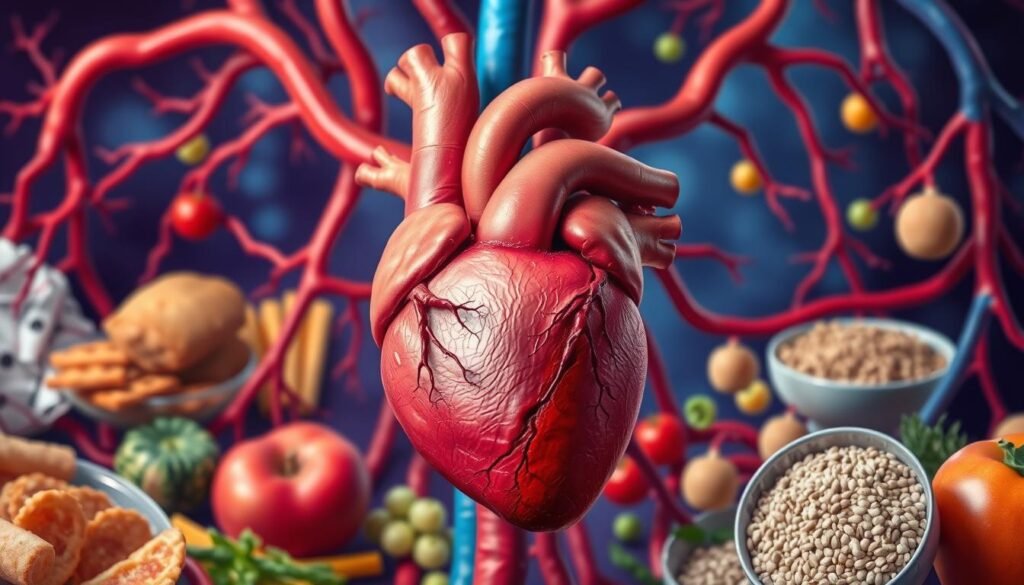
| Cholesterol Type | Role in Heart Disease | Impact |
|---|---|---|
| LDL (Low-Density Lipoprotein) | Contributes to plaque buildup in arteries | Increases risk of atherosclerosis and heart disease |
| HDL (High-Density Lipoprotein) | Helps remove cholesterol from the bloodstream | Lower levels increase risk of heart diseases |
Managing Cholesterol Levels Effectively
Keeping cholesterol in check is key for a healthy heart. Getting tested regularly lets you know your cholesterol levels. This helps you take action when needed. Start checking your cholesterol at age 20, following your doctor’s advice. Acting early helps you manage cholesterol better.
Regular Testing and Monitoring
Regular blood tests help keep an eye on your heart health. These tests check your total cholesterol, LDL, HDL, and triglycerides. Aim for a total cholesterol under 200 mg/dL. LDL should be less than 100 mg/dL. Knowing these numbers is important for good heart health.
Interpreting Your Cholesterol Numbers
Understanding your cholesterol levels is crucial. A total cholesterol over 240 mg/dL means higher heart disease risk. It signals you might need to change your lifestyle or take medication. Good cholesterol, or HDL, should be above 60 mg/dL for heart protection. Working with your doctor helps you understand what your numbers mean.
Heart-Healthy Diet Choices
Eating right is key to managing cholesterol and lowering the risk of heart disease. Knowing what foods to eat and avoid makes a big difference. It’s about choosing wisely for long-term health benefits.
Foods to Avoid: Saturated and Trans Fats
It’s important to watch out for saturated and trans fats for a healthy heart. Saturated fats come from red meats, full-fat dairy, and some processed foods. You should get less than 6% of your daily calories from these fats. That’s around 11 to 13 grams in a 2,000 calorie diet.
Trans fats are in fried and baked foods and are bad for your heart. Keep an eye on food labels for these fats. Also, limit sodium to less than 2,300 milligrams a day. Ideally, aim for no more than 1,500 milligrams.
Incorporating Heart-Healthy Foods: Fruits, Vegetables, and Whole Grains
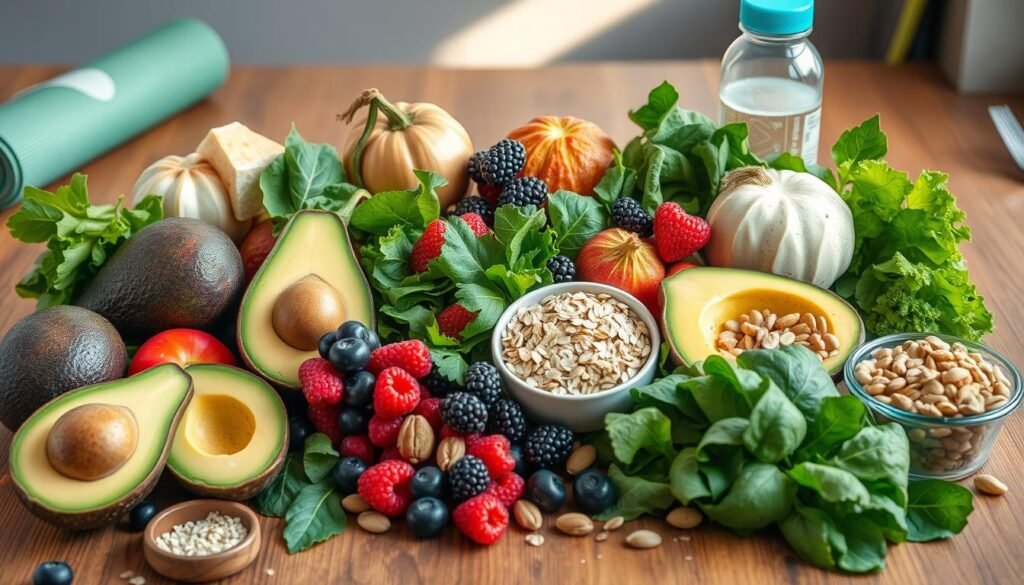
Adding heart-healthy foods to your diet is a smart move. Eating plenty of fruits, vegetables, and whole grains is good for you. These foods are full of nutrients and don’t have the bad fats.
Foods like salmon and mackerel are rich in omega-3 fats, helping lower triglycerides. Beans, peas, and lentils are great meat substitutes. They’re high in protein but low in fat and cholesterol.
Eat whole grains like brown rice and quinoa for half of your grain intake. Choose unsaturated fats found in olive oil, nuts, and avocados to help lower cholesterol.

Cholesterol Lowering Strategies: Lifestyle Changes
Making changes to lower cholesterol is key for better heart health. Simple moves like more exercise and stopping smoking help a lot. They not only improve cholesterol but also fight heart disease.
Physical Activity: Exercising for Heart Health
Being active helps raise good HDL and lower bad LDL cholesterol. Try to walk briskly, bike, or swim for 150 minutes each week. The American Heart Association says adults need that much exercise. Kids should get 60 minutes daily.
Exercise can also help you manage your overall heart health. Dropping 5 to 10 pounds by being active can really lower your cholesterol. Plus, eating 5 cups of fruits and veggies each day helps too. They are full of fiber and nutrients.
Quitting Smoking’s Impact on Cholesterol Levels
Smoking really hurts your cholesterol, especially lowering the good HDL. If you quit, you’ll see a big boost in your HDL cholesterol levels. This step is crucial for heart health.
Besides stopping smoking, eat a balanced diet. Cut down on bad fats and eat more unsaturated fats from fish, veggies, and nuts. Knowing how to read food labels helps make healthier eating choices.
To really make a difference in your cholesterol and heart health, look into more ways to change your diet and lifestyle. You can find great tips, like those from Mayo Clinic guidelines.
The Role of Medications in Cholesterol Management
For some people, changing their lifestyle isn’t enough to lower cholesterol. Medicines play a crucial role then. They help manage cholesterol levels and improve heart health. Knowing the types of medicines and when to use them helps patients make smart choices with their doctors.
When Lifestyle Changes Are Not Enough
Even with a healthy diet and exercise, some still have high cholesterol. In such cases, doctors may prescribe medication to help. Medicine like statins work to lower the bad cholesterol and triglycerides. They can also slightly increase good cholesterol. Though side effects are usually mild, they can include muscle pain and upset stomach.
Types of Cholesterol-Lowering Medications
There are several types of medicines for cholesterol, each with a specific purpose. The table below shows the types, their functions, and common side effects:
| Medication Type | Role | Common Side Effects |
|---|---|---|
| Statins | Lower LDL and triglycerides; increase HDL | Muscle pain, nausea, constipation, elevated blood sugar |
| Cholesterol Absorption Inhibitors (Ezetimibe) | Lower LDL; slightly decrease triglycerides | Stomach pain, diarrhea, fatigue |
| PCSK9 Inhibitors (Alirocumab, Evolocumab) | Significantly lower LDL | Injection site reactions, itching, bruising |
| Bile Acid Sequestrants | Lower LDL; may slightly increase HDL | Constipation, bloating, heartburn |
| Combination Drugs (Ezetimibe-simvastatin) | Lower LDL and triglycerides; increase HDL | Stomach pain, fatigue, muscle soreness |
| Fibrates | Lower triglycerides; slightly decrease LDL | Nausea, stomach pain, muscle pain |
| Niacin | Lower LDL and triglycerides; increase HDL | Facial flushing, itching, stomach upset |
| Omega-3 Fatty Acids | Lower triglycerides | Fishy taste, belching, increased bleeding risk |
Talking to a healthcare professional is important to find the right medicine. Medicines play a key role in managing cholesterol. This is part of a bigger plan to reduce heart disease risk. Learn more about the role of medications in cholesterol management.
Preventing Heart Disease Through Healthy Habits
Making healthy choices is key to avoiding heart disease and keeping a balanced life. Focus on weight management, as it affects cholesterol and heart health.
Understanding the Importance of Weight Management
Managing your weight cuts down heart disease risk. Losing just 5-10% of your weight improves cholesterol. This also helps with blood pressure and diabetes risks. Preventing heart disease means regular exercise and healthy eating for lasting weight loss. These healthy habits balance your cholesterol too.
Moderation in Alcohol Consumption
Drink alcohol in moderation for your heart’s health. Some research shows moderate drinking might be okay, but too much is bad. It raises cholesterol and brings other health issues. A responsible drinking habit is important. It helps with weight and reduces heart disease risks. Think about how much you drink as part of your overall health plan to prevent heart disease.
Seeking Professional Guidance for Cholesterol Control
Getting help from experts is key to managing cholesterol. Working with health professionals is vital for those wanting to lower their cholesterol and improve heart health. Doctors assess your health background, find risks, and create plans just for you. This team effort leads to a deep understanding of how to control cholesterol well.
The Importance of Healthcare Provider Collaboration
Working with doctors helps identify cholesterol issues accurately. They explain how your age, family history, lifestyle, and health conditions affect cholesterol. Regular meetings let you share worries, track your progress, and tweak your plan as needed. With their advice, you learn to manage both bad and good cholesterol, considering all important factors for the best results.
How to Create a Personalized Cholesterol Treatment Plan
Building your cholesterol treatment plan starts with a detailed test. This test checks your total cholesterol, LDL, HDL, and triglycerides. Using these results, experts craft a plan that might include diet changes, exercise, and possibly medicine. It’s important to talk openly about your aims, what you like to eat, and any hurdles to create a plan that works for you.
Being proactive makes your plan fit your needs, increasing the chance of success. This personalized strategy focuses on long-term cholesterol health.
Conclusion
Managing cholesterol levels is key to lower heart disease risks. It’s important for people to know the difference between HDL and LDL cholesterol. Making the right food choices helps a lot. Living a heart-healthy life means staying active and managing your weight. This improves your heart health a lot.
Working with doctors to manage cholesterol is essential. A whole-health approach helps people take charge of their heart health. This plan looks at lifestyle and medical options to lower cholesterol. Doing so improves heart health.
The takeaway is clear: controlling cholesterol is vital for heart health. By making smart choices, we can fight heart disease. This not only helps us live longer but also ensures a healthier life for our families.