Did you know that about 17% of Americans are on the keto diet? This diet focuses on low carbs and high fats. It affects cholesterol in ways we’re still learning. While many find they lose weight and feel better, experts still discuss how it affects heart health over time.
Analyzing the keto diet’s impact on cholesterol shows mixed results. Some find it lowers “bad” LDL cholesterol and triglycerides, boosting “good” HDL cholesterol. However, effects can vary a lot between people. For a real understanding, we must consider the fats eaten and the person’s lifestyle. To get more info, click on keto diet and cholesterol effects.
It’s important to keep studying the keto diet and cholesterol. Especially since we don’t have many long-term studies. For those thinking about starting keto, especially if you have health issues, talk to a doctor first.
Key Takeaways
- The keto diet is followed by around 17% of Americans, affecting cholesterol in diverse ways.
- Weight loss and improved cholesterol levels may vary among individuals on the keto diet.
- Different types of fats consumed can significantly influence cholesterol outcomes.
- Consulting a healthcare provider is crucial for those with high cholesterol considering the keto diet.
- Monitoring blood cholesterol and triglyceride levels regularly is essential for keto dieters.
- Limited long-term studies exist regarding the keto diet’s effects on cholesterol and heart health.
Introduction to the Keto Diet
The keto diet focuses on high-fat, moderate-protein, and low-carb eating. It consists of about 70-80% fat, 10-20% protein, and 5-10% carbs in one’s diet. Limiting carbs puts the body in a state called ketosis, where it burns fat for energy. Many choose this keto diet overview approach for quick weight loss and more energy.
A 56-year-old woman lost six to seven pounds on keto but saw higher cholesterol levels initially. Beyond weight loss, the keto diet can improve blood sugar and blood pressure. But, it’s important to understand its full health effects before starting.
Starting the keto diet can be hard, causing some to feel unwell at first. It’s crucial to look at how different keto versions affect health and nutrition over time. This ensures people can stick with it safely.
Understanding Cholesterol and Its Types
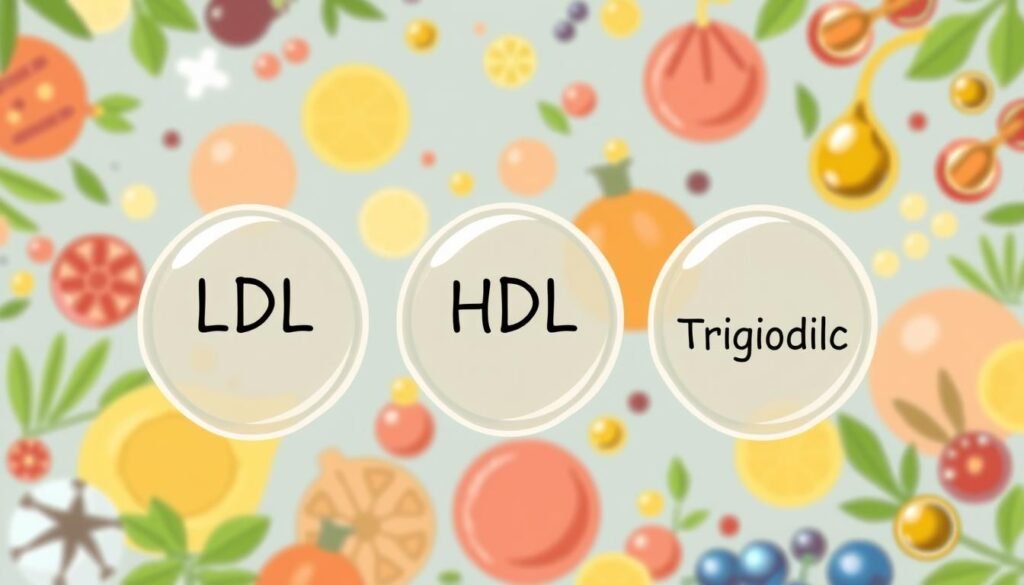
Cholesterol is an important fat found in the blood. It helps the body work properly. There are key types of cholesterol: Low-Density Lipoprotein (LDL) and High-Density Lipoprotein (HDL). Each plays a different role in health.
LDL is known as the “bad” cholesterol. Why bad? Because too much of it can clog arteries, increasing heart disease risk. On the other hand, HDL is the “good” cholesterol. It moves LDL cholesterol out of the arteries. This lowers the chance of heart problems. Knowing about LDL vs HDL cholesterol is key for heart health.
Learning about these cholesterol types is important. It helps you know how cholesterol affects your body. Your diet influences your cholesterol levels. For example, a keto diet can change them. So, it’s vital to balance LDL and HDL to keep your heart healthy.
| Cholesterol Type | Function | Health Impact |
|---|---|---|
| LDL | Transports cholesterol to cells | High levels increase heart disease risk |
| HDL | Removes excess cholesterol from cells | High levels reduce heart disease risk |
Keto Diet and Cholesterol Effects
The cholesterol response to keto diet can be quite complex. Different people see different changes in their cholesterol levels. This shows the dual nature of keto and its effects. While some report higher “bad” cholesterol, others see better “good” cholesterol over time. It’s important to know these changes to understand keto’s impact on health.
The Dual Nature of Keto on Cholesterol Levels
Recent studies show changes in cholesterol for keto followers. At first, “bad” cholesterol may go up. But sticking to it can balance or better the cholesterol. Here are the key points:
- Many see higher LDL cholesterol at first.
- Good HDL cholesterol often gets better, helping the heart.
- Triglycerides might drop, which is good for the heart.
- ApoB levels may go up, a risk for the heart.
Short-term vs Long-term Impact on Cholesterol
Looking at short-term effects of keto diet on cholesterol shows big changes. In the beginning, many notice shifts in gut health and less fat, similar to low-sugar diets. Over time, the body’s reaction can change. This includes how the body handles sugar and cholesterol particles.
| Duration | Cholesterol Effects | Notes |
|---|---|---|
| Short-term | Higher LDL cholesterol | Shows possible negative changes in metabolism. |
| Long-term | Improved HDL levels | LDL particles may grow, reducing risk. |
To have better health with keto, balance is key. Focusing on healthy fats, enough fiber, and clean proteins can help.
The Science Behind Ketosis and Cholesterol
When you dive into how ketosis works, you find out it’s all about burning fat for energy. This happens when there are not enough carbs. The liver makes ketone bodies from fats, which the body then uses for energy. This process affects cholesterol levels in interesting ways.
How Ketosis Works in the Body
Individuals in ketosis mostly eat fats—75% of their diet. The rest is 20% protein and 5% carbs. This low carb intake makes the body use fats for energy. This shift can quickly provide energy and also changes ketosis and cholesterol levels.
At first, a keto diet can raise LDL cholesterol, the “bad” kind. Studies show an early rise in triglycerides and LDL cholesterol. But, HDL cholesterol, the “good” kind, may increase over time. A 2017 study found keto diets might help with HDL levels and control type 2 diabetes.
Yet, eating less vegetables, fruits, and grains can be harmful. They have nutrients that fight inflammation. A diet low in these can increase the risk of issues like atrial fibrillation.
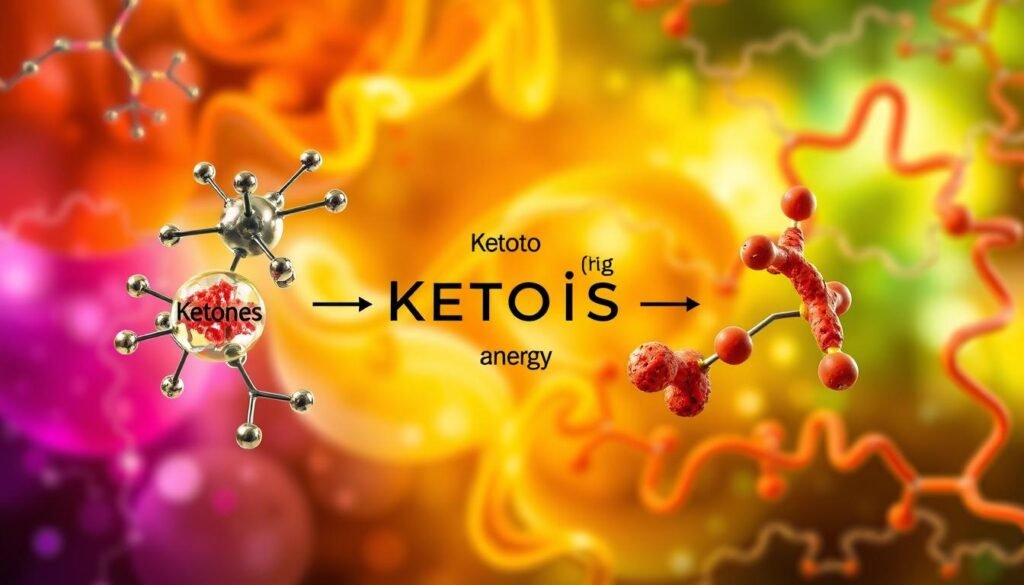
The way ketosis affects cholesterol is complex. Recent research shows the importance of watching cholesterol levels on a keto diet. It’s vital to weigh the pros and cons of ketosis for your health.
| Study Year | Findings | Implications for Cholesterol |
|---|---|---|
| 2017 | Keto improved HDL cholesterol and controlled blood sugar in diabetes | Potential for better heart health if managed correctly |
| 2018 | Excellent blood sugar control in type 1 diabetes patients | May indicate a positive metabolic response |
| Study ongoing | Connection between low-carb diets and atrial fibrillation risks | Increased monitoring necessary for heart health |
Effects on LDL and HDL Cholesterol
Recent studies have looked into how the ketogenic diet affects cholesterol. These studies show different effects on LDL and HDL cholesterol. It’s important to know these effects to understand the diet’s health implications.
What Research Says About LDL Cholesterol Increases
Some individuals might see a rise in LDL cholesterol with the keto diet. For example, one study showed LDL levels went from 129 mg/dL to 316 mg/dL in 12 months. But, this increase doesn’t happen to everyone. It can depend on genetics or other health issues.
People with certain genetic conditions could see big changes in their LDL cholesterol. Yet, not all findings are the same. Some studies found that the keto diet can lower LDL and total cholesterol levels. An analysis showed drops in cholesterol, triglycerides, and LDL after one year on the diet. This shows how complex our bodies react to fats in our diet.
HDL Cholesterol: A Positive Outcome?
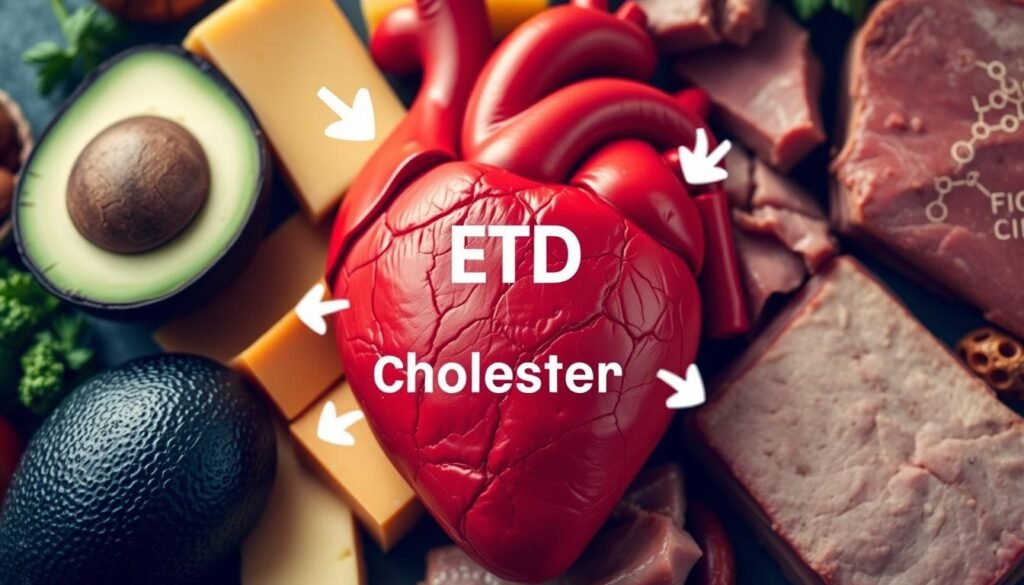
The news is better for HDL cholesterol, which often goes up with a keto diet. One study saw a big jump in HDL after participants ate very low-carb. Most people who follow the keto diet see higher HDL and lower triglycerides.
Even if LDL cholesterol levels fluctuate, HDL usually increases. A keto diet rich in healthy fats, like those from avocados and nuts, can be good for your heart. It’s important to choose the right fats to get the most benefit.
For more information, check out detailed cholesterol studies on keto diet in scientific journals.
| Study Year | LDL Change (mg/dL) | HDL Change (mg/dL) | Triglycerides Change (mg/dL) |
|---|---|---|---|
| 2016 | +50 | +15 | -30 |
| 2018 | -20 | +25 | -40 |
| 2021 | +30 | +20 | -25 |
Managing Cholesterol on the Keto Diet
On the keto diet, managing cholesterol means choosing fats wisely and checking levels regularly. A good plan helps people enjoy keto’s benefits and reduce cholesterol risks.
Choosing Healthy Fats Over Unhealthy Ones
On keto, it’s important to pick the right fats. Heart health benefits from monounsaturated and polyunsaturated fats. Healthy fat sources include:
- Avocado
- Olive oil
- Nuts and seeds
- Fatty fish like salmon and mackerel
Limit saturated fats found in processed foods and red meats. Keeping this balance is key to cholesterol management on keto.
Monitoring Cholesterol Levels
Checking your cholesterol levels often is vital on keto. Regular tests show how the diet affects your body. It’s smart to get advice from healthcare pros for tracking, especially with high cholesterol.
Lifestyle changes are also important. To manage cholesterol, lose weight, drink less alcohol, and exercise more. These changes help your liver work better, which is crucial for cholesterol control.
| Fat Types | Source Examples | Impact on Health |
|---|---|---|
| Healthy Fats | Avocado, Olive oil, Nuts, Fatty fish | Support heart health |
| Saturated Fats | Processed foods, Red meats | May increase LDL cholesterol |
| Trans Fats | Baked goods, Some margarine | Linked to increased cardiovascular risk |
By following these tips, people can make smart food choices on keto and manage their cholesterol for better health.
The Connection Between Keto Diet and Heart Health
The keto diet is popular for weight loss and metabolic health. But its impact on heart health is debated. It’s vital to consider personal health and cholesterol levels when looking at keto and heart disease.
A study found a notable increase in LDL cholesterol after four weeks on keto. It involved 24 women. They ate a diet with 4% carbs, 77% fat, and 19% protein. LDL cholesterol went up by 1.82 mM on average, showing possible heart risks.
The kind of fats you eat on keto matters a lot. Swap saturated fats for healthier ones like those in fish, nuts, and avocados. Choosing these fats and whole foods can reduce some heart risks.
Some research shows keto can raise “good” HDL cholesterol. This can help protect the heart. But, balancing the diet’s effects needs careful planning. People thinking about keto should talk to doctors to tailor it safely to their heart health needs.
Short-term Symptoms and Cholesterol Changes
Starting the keto diet can bring about various physical changes. Many people face symptoms known as keto flu when they begin. This includes headaches, feeling tired, and being nauseous.
The keto flu might happen at the same time as changes in cholesterol levels. These uncomfortable signs usually don’t last long. They show that your body is getting used to having fewer carbs.
Understanding Keto Flu and Its Relation to Cholesterol
When you get the keto flu, it means your body is switching its energy source. You might see changes in your cholesterol at this time. Right at the start, your levels of LDL (“bad” cholesterol) and triglycerides could rise.
This is a critical point to remember. The symptoms of keto flu tell us our body is trying hard to adjust. Recognizing this can help you stick with the diet for more benefits in the long run.
Conclusion
The keto diet has both good and bad sides when it comes to cholesterol. Studies on keto show it might raise “good” HDL cholesterol, which helps the heart. People with a family history of high cholesterol might see improvements, improving heart health. Making careful food choices and checking cholesterol levels often is key.
Being on keto means eating more healthy fats, which can raise HDL levels. But, it’s also important to watch out for LDL cholesterol levels. For anyone worried about heart disease, it’s critical to understand how a low-carb diet impacts cholesterol. Overall, keto can help with losing weight and better insulin sensitivity, but risks exist.
Success on keto depends on choosing the right foods and making long-term lifestyle changes. Eating foods rich in nutrients and talking to doctors help manage cholesterol effectively with keto.