Did you know almost 55 million people in the US live with high cholesterol? This condition doesn’t just affect your heart but also your eye health. While many know the risks of high cholesterol, few realize its connection to eye health. Ophthalmologist Nicole Bajic, MD, points out that cholesterol can cause deposits around the eyes. It can even affect vision and eye function. Knowing this link is crucial for your eyes’ health.
Key Takeaways
- High cholesterol can lead to deposits and other health issues in the eyes.
- Cholesterol influences the functioning of trabecular meshwork cells in the eye.
- Xanthelasma, a cholesterol deposit, is linked to elevated cholesterol levels.
- Lifestyle choices play a critical role in managing cholesterol levels and eye health.
- Awareness of how cholesterol affects visual health can promote better prevention strategies.
Understanding Cholesterol and Its Role in the Body
Cholesterol is a key fat that plays many important roles in the body. It helps make steroid hormones, vitamin D, and bile salts. It moves in the blood, mainly in two types of carriers: HDL and LDL. Too much LDL can lead to health problems, including high cholesterol and eye issues.
Cholesterol effects can be seen in various body processes. It is part of cell walls, helping them stay stable and flexible. This matters a lot for the eyes because cholesterol impacts eye health.
Studies show that cholesterol and vision problems might be connected. High cholesterol can change eye tissues, which might result in cataracts or other eye issues. Knowing this link helps us see how keeping cholesterol in check can help our eyes.
Keeping cholesterol balanced is very important. It affects not just the heart but also vision and eye health. By understanding cholesterol and managing it well, we can avoid eye diseases.
The Impact of High Cholesterol on Eye Health
High cholesterol can really affect your eye health. It can show up as visible deposits or cause other eye issues. Knowing how these problems appear helps us see why it’s key to keep an eye on cholesterol and vision for good health.
Cholesterol Deposits and Their Appearance
Cholesterol can show up as deposits like xanthelasma or arcus senilis, hinting at high cholesterol. Xanthelasma are yellowish spots on the eyelids, often found in Asian or Mediterranean women with high cholesterol. About half the people with xanthelasma have this issue.
Arcus senilis looks like a gray ring around the cornea, seen in middle-aged folks or those with high cholesterol in the family. For younger people, a colored ring around the cornea, named arcus juveniles, is a clear sign of high cholesterol, even more than arcus senilis in adults.
Common Eye Conditions Linked to High Cholesterol
Many eye issues are linked to high cholesterol. For example, retinal vein occlusion is common in those over 50, especially with diabetes or high blood pressure. This condition is twice as likely in people with high cholesterol.
Also, Hollenhorst plaques, made of cholesterol or fibrin in the retinal artery, warn of bigger clots in the carotid artery. These problems show how cholesterol affects eye health. They tell us keeping cholesterol in check is important for our eyes and overall well-being. Click here to learn more about the impact of cholesterol on eye function.
What is Xanthelasma?
Xanthelasma is known for its yellowish-white lumps around the eyelids. High cholesterol often plays a big role in these deposits. Though mainly a beauty issue, it could hint at more serious health concerns tied to lipid levels.
Identification of Xanthelasma Deposits
To spot xanthelasma, look for its distinct marks. These lumps near the eyes mostly appear on the upper and lower eyelids. They’re usually balanced in how they look. Adults between 35 and 55 years old are more likely to get them. Around half of those with this condition have abnormal lipid profiles, pointing to deeper health risks.
Symptoms and Aesthetic Concerns
Usually, xanthelasma doesn’t hurt, but it bothers people because of how it looks. Many choose to have them removed for a better appearance. Despite treatment, they often return, with a 40% chance of coming back. There are many ways to treat them, including CO2 laser therapy. This method is good at reducing signs with less chance of them returning. Getting treatment helps with appearance and reminds us to check our lipid levels for our health.
High Cholesterol and Eye Health
High cholesterol can affect your vision. It’s vital for those with high levels to be aware of this. Blood flow problems to the eyes from high cholesterol can cause vision issues. Ongoing studies reveal how cholesterol impacts eye health, especially with age-related macular degeneration (AMD).
How Cholesterol Levels Affect Vision
High cholesterol can lead to various eye problems. An increase in HDL-C cholesterol might raise the risk of developing advanced AMD. This risk is significantly higher in Asians compared to Europeans. These findings show cholesterol’s role in maintaining good eye health. Also, high cholesterol can worsen conditions like cataracts through oxidative stress.
Research Trends in Cholesterol-Related Eye Conditions
Research shows a complicated link between cholesterol and eye diseases. For example, about 20 million people in the U.S. have AMD. This condition can get worse with high LDL cholesterol causing drusen under the retina. Although HDL-C might not significantly affect glaucoma, high cholesterol strongly links to diabetic retinopathy in diabetic patients.
Regular cholesterol check-ups are essential. The American Heart Association suggests adults 20 or older, especially those at risk for heart disease, check their cholesterol every 4 to 6 years. This can help manage risks related to high cholesterol and protect your eyes.
| Condition | Findings | Risk Percentage |
|---|---|---|
| Advanced Age-Related Macular Degeneration (AMD) | Increased HDL-C linked to AMD | 17% in Europeans, 58% in Asians |
| Cataracts | Links to oxidative stress from high cholesterol | Risk of development increases |
| Diabetic Retinopathy | Elevated HDL-C raises risk for those with diabetes | Higher risk in diabetic patients |
| Geographic Atrophy (GA) | AMD progression and links | 160,000 new cases annually in the US |
Arcus Senilis: A Sign of High Cholesterol
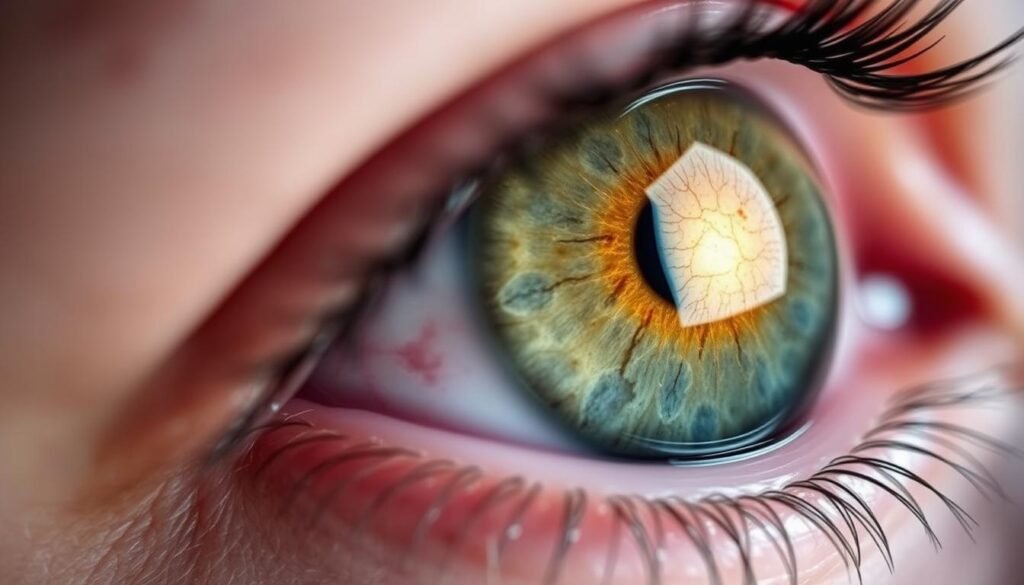
Arcus senilis shows up as a gray or white ring around the cornea. It’s often seen in people over 50 and might mean higher cholesterol. Up to 60% of people aged 50 to 60 could have it. While it doesn’t affect vision, it could point to heart risk.
Understanding Arcus Senilis and Its Implications
Arcus senilis can alert us to health issues in those over 40. It’s more common in people over 80. If seen in someone younger than 40, it might suggest genetic conditions that raise cholesterol. It’s important to know the signs early.
It’s seen more in men and those of African descent. The ring on the cornea can urge people to get their cholesterol checked. This is a step toward managing high cholesterol and heart disease risks.
There’s no direct treatment for arcus senilis. But a healthy lifestyle matters. Exercise, a good diet, and not smoking help control cholesterol. Knowing about arcus senilis is crucial for managing health and avoiding heart issues.
| Age Group | Prevalence of Arcus Senilis |
|---|---|
| Age 50-60 | 60% |
| Age 80+ | Nearly 100% |
| Under 40 | Possible hereditary link |
Seeing arcus senilis as a sign of high cholesterol should prompt action. Those with it should get regular health checks. This can help avoid serious issues later.
Hollenhorst Plaque: A More Serious Concern
Hollenhorst plaque in the eye means a big risk for losing sight. These cholesterol bits can block blood flow in eye vessels, leading to severe vision problems. One example is branch retinal artery occlusion, greatly affecting vision. It’s important to know about this plaque to keep eyes healthy.
Association with Vision Loss
Hollenhorst plaque often shows up without symptoms, affecting about 1.4% of people over 49. Around 80% of these eye blockages are cholesterol, linking high cholesterol to vision risks. Those with the plaque are 2.4 times more likely to suffer a fatal stroke than others. This fact underlines why finding and treating it early matters.
Treating Hollenhorst Plaque and Managing Risk Factors
Dealing with Hollenhorst plaque means tackling cholesterol issues. Switching to a heart-healthy diet is crucial. Using medicines to prevent blood clots can cut down stroke risks for those with specific artery problems. Getting regular checks like doppler ultrasounds for the carotid artery helps in making better treatment choices. It’s also key to be aware of other risks like high blood pressure and smoking.
Dietary Changes to Manage Cholesterol Levels
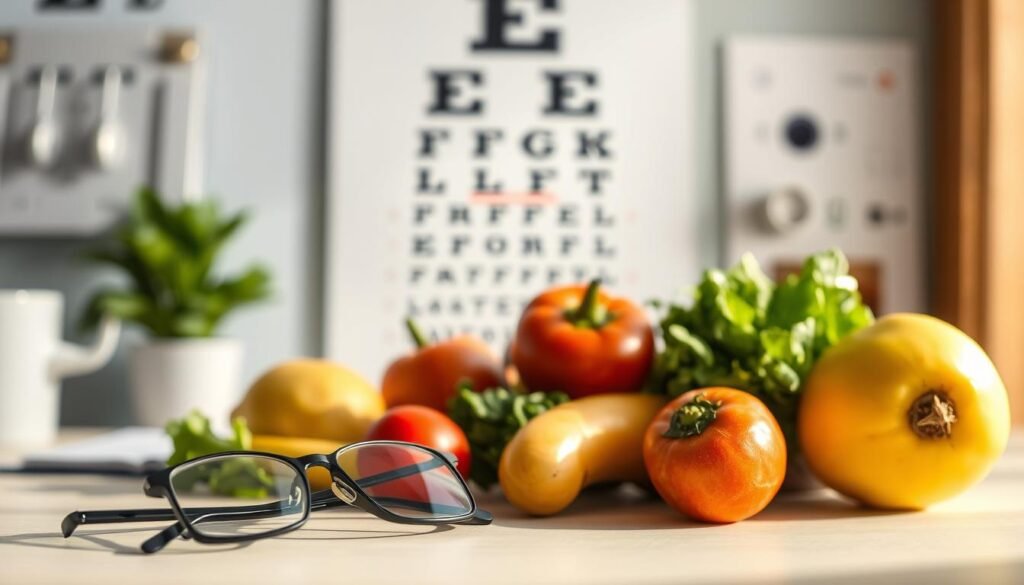
Making thoughtful diet choices is key for managing high cholesterol. It also supports eye health. Choosing a low-fat diet with wholesome ingredients is vital. It aids in controlling cholesterol and keeps eyes healthy.
Importance of a Low-Fat Diet for Eye Health
A low-fat diet is crucial for good cholesterol levels and eye health. Foods rich in omega-3s, like salmon and walnuts, help lower blood pressure and cholesterol. Whey protein, found in dairy, can reduce bad cholesterol and improve heart and eye health.
Recommended Diets: Mediterranean and More
The Mediterranean diet is great for healthy cholesterol levels. It includes heart-healthy foods, focusing on fruits, vegetables, and healthy fats. Its key aspects include:
- Eating at least 8 ounces of fish weekly for more omega-3.
- Choosing soluble fiber foods, like fruits, to reduce cholesterol absorption.
- Limiting alcohol to 1-2 drinks a day for men and 1 for women.
- Staying active with 30 minutes of exercise five times a week.
By combining recommended diets with active living, you can greatly improve cholesterol management. This leads to better tips for healthy eyes with high cholesterol.
| Dietary Component | Health Benefit |
|---|---|
| Omega-3 Fatty Acids | Lowers LDL cholesterol, improves heart health |
| Soluble Fiber | Reduces cholesterol absorption, aids digestion |
| Low Saturated Fat | Helps decrease overall cholesterol levels |
| Physical Activity | Improves cholesterol profiles and cardiovascular health |
Medications for High Cholesterol Management
When just changing your diet doesn’t lower your cholesterol enough, medications for high cholesterol are key. They help people control their cholesterol levels, especially LDL cholesterol. This supports overall health and lowers risks linked to high cholesterol.
Statins and Their Role
Statins are the top medications for high cholesterol. Choices include Atorvastatin and Rosuvastatin. They lower LDL cholesterol and triglycerides and can bump up HDL cholesterol. This leads to a healthier lipid profile. Plus, statins cut down the risk of heart issues.
Other Treatment Options for High Lipid Levels
Aside from statins, other treatment options for cholesterol management exist. Ezetimibe, for example, blocks cholesterol absorption, lowering LDL. PCSK9 inhibitors, like Alirocumab and Evolocumab, are for those with very high LDL or who can’t take statins. There are also bile acid sequestrants like Cholestyramine. They lower LDL but might cause constipation and bloating.
Different combos of treatments or alternatives like bempedoic acid, fibrates, or niacin might be suggested for detailed care. Each treatment has its own factors, showing how tailored care leads to the best health results.

Tips for Healthy Eyes with High Cholesterol
Individuals with high cholesterol need to look after their eyes. Getting your eyes checked often is key. This helps find issues like xanthelasma and Hollenhorst plaques early. Living healthy is important for your cholesterol and eye health. Here are tips for keeping your eyes healthy if you have high cholesterol:
Eye Care Recommendations for Cholesterol Management
- Schedule regular eye exams: Regular exams find retinal problems early, before damage gets worse.
- Exercise regularly: Being active boosts overall health, raises good cholesterol, and lowers eye disease risk.
- Adhere to a nutritious diet: Eat foods high in Omega-3 fatty acids, lutein, and zeaxanthin. This helps prevent Age-Related Macular Degeneration (AMD).
- Limit saturated fat intake: Keeping saturated fat under six percent of daily calories helps your heart and eyes.
- Protect from UV rays: Sunglasses that block UV rays prevent sun-related eye damage.
- Quit smoking: Stopping smoking lowers your chance of getting AMD.
- Consider regular cholesterol screenings: Monitoring cholesterol aids in making better health choices, for overall and eye health.
Following these steps helps you manage high cholesterol and protect your eyes. For advanced tips on cholesterol, visit this informative resource.
| Strategy | Benefit |
|---|---|
| Regular Eye Exams | Early detection of eye conditions |
| Exercise | Improves cholesterol levels |
| Healthy Diet | Supports eye health |
| Sun Protection | Minimizes UV damage risk |
| Quit Smoking | Reduces risk of AMD |
Using these eye care tips helps maintain good vision for those with high cholesterol. A combined approach of regular exams, healthy living, and awareness leads to better heart and eye health. For more on cholesterol’s effects, check this resource.
Conclusion
Knowing how high cholesterol affects eye health is key to overall wellness. High cholesterol can lead to eye problems like xanthelasma, arcus senilis, and Hollenhorst plaques. These issues show why it’s crucial to manage cholesterol through diet and medical care.
Research connects cholesterol balance with age-related macular degeneration (AMD). It shows we need to be proactive about our health. With new treatments, we learn how vital cholesterol is to our body and vision. Managing cholesterol helps not just our hearts, but our eyes too.
Protecting our eyes means watching our cholesterol closely. Getting regular eye checks, eating right, and staying active keep our vision sharp. By focusing on these efforts, we can enjoy better sight and less risk of eye problems caused by high cholesterol.