About 30% of US adults have hypertension, affecting millions. The bright side is that a good diet can help manage it. The DASH diet stands for Dietary Approaches to Stop Hypertension. It’s a proven method for controlling hypertension with the right foods. By eating foods full of nutrients and cutting down on salt, this heart-healthy plan lowers blood pressure and improves health.
Research supports the DASH diet, especially studies by the U.S. National Institutes of Health. It focuses on potassium, calcium, and magnesium-rich foods while keeping salt under 2,300 milligrams a day. That’s just a teaspoon of table salt. For people with serious health issues, there’s a version with only 1,500 mg of sodium a day. This way, the DASH diet can be tailored to meet different health needs. It offers a natural way to tackle hypertension.
Key Takeaways
- The DASH diet is designed to treat or prevent high blood pressure.
- Aim for 6 to 8 servings of grains each day for optimal results.
- Limit sodium intake to less than 2,300 mg per day.
- Focus on consuming 5 servings of vegetables and fruits daily.
- Adherence to the DASH diet can lead to significant health benefits, including lower blood pressure.
What is the DASH Diet?
The DASH Diet stands for Dietary Approaches to Stop Hypertension. It’s a plan to help your heart by fighting high blood pressure. It focuses on eating lots of healthy foods. Following its nutritional guidelines can make your heart much healthier. This diet for hypertension recommends eating more fruits, veggies, and whole grains. It also includes fish and poultry that are lean, and dairy products that are low-fat or fat-free.
Studies show that the DASH Diet can lower blood pressure and cholesterol. This reduces the risk of heart disease and stroke. Over half the people over 60 have high blood pressure. On this diet, you should eat less salt—no more than 1,500 milligrams daily. That’s less than 3/4 teaspoon of sodium, which helps those with high blood pressure.
It suggests eating certain amounts from different food groups:
- Whole Grains: 6-8 servings per day
- Vegetables: 4-5 servings per day
- Fruits: 4-5 servings per day
- Low-fat Dairy: 2-3 servings per day
- Meat, Poultry, and Fish: 6 or fewer servings per day
- Nuts, Seeds, and Legumes: 4-5 servings per week
- Fats and Oils: 2-3 servings per day
- Candy and Added Sugars: 5 or fewer servings per week
For older adults who are obese, the DASH Diet can help reduce body fat. It may cut the risk of metabolic syndrome by almost half. This diet is good for your heart and might help with insulin resistance and diabetes risk.
To learn about eating cholesterol-rich foods like eggs and shellfish, check out this guide. Adding healthy fats and proteins keeps the diet heart-smart.
Understanding Hypertension and Its Risks
Hypertension, or high blood pressure, is a big health issue. It can cause heart disease, stroke, and kidney damage. Many people don’t see any signs. Over 65 million American adults have high blood pressure. This condition is more common in older people and African Americans.
High blood pressure’s impact goes far beyond the obvious dangers. It harms blood vessels and organs, raising the chance of heart problems. Knowing about these risks helps manage hypertension better. Learning about high blood pressure shows why changing your lifestyle and diet is key to lowering risks.
Making better food choices, like the DASH diet, greatly helps. Eating foods rich in nutrients but low in salt and bad fats improves heart health. It also reduces the risk of serious issues from high blood pressure.
Dietary Approaches to Stop Hypertension (DASH)
The DASH diet is a well-studied way to eat healthily for high blood pressure. It focuses on eating the right balance of foods. You’ll eat lots of fruits, vegetables, whole grains, and lean protein.
This diet helps lower your blood pressure, research confirms. If you start the DASH diet, you might see changes in two weeks. People who eat less salt see even bigger benefits.
The DASH diet also helps lower bad cholesterol levels. This is great for your heart’s health.
This diet plan tells you how much of each food group to eat. For example, you should have 6 to 8 servings of grains each day. You also need to watch your salt intake, keeping it under 2,300 milligrams a day. That’s about one teaspoon. There’s also an option to further reduce salt to 1,500 milligrams a day.
The DASH diet and Canada’s Food Guide both emphasize eating foods high in potassium, calcium, magnesium, and fiber. They also say to eat less saturated fat and sugar. Making these changes gradually can help you stick to them.
Following the DASH diet can make your heart healthier and improve your lifestyle. It’s a good way to take care of your health and manage high blood pressure effectively.
Key Nutritional Components of the DASH Diet
The DASH diet focuses on important nutrients that help control blood pressure and keep you healthy. Knowing these key components lets people make better food choices for their health.
Potassium, Calcium, and Magnesium
Potassium is key in managing blood pressure because it lessens sodium’s effects. When eaten with calcium and magnesium, it brings big benefits for heart health. These minerals improve heart function, which is why the DASH diet includes them.
Eating foods like bananas and leafy greens gives you a lot of potassium. This supports your health in great ways.
Fiber and Protein Benefits
The DASH diet is built on fiber and protein. They aid digestion, make you feel full, and help lower cholesterol. Whole grains, beans, and nuts offer both fiber and necessary proteins. Plant proteins also help keep muscles strong and improve overall health.
This nutritional balance allows for a variety of tasty foods. It ensures you get the most health benefits.
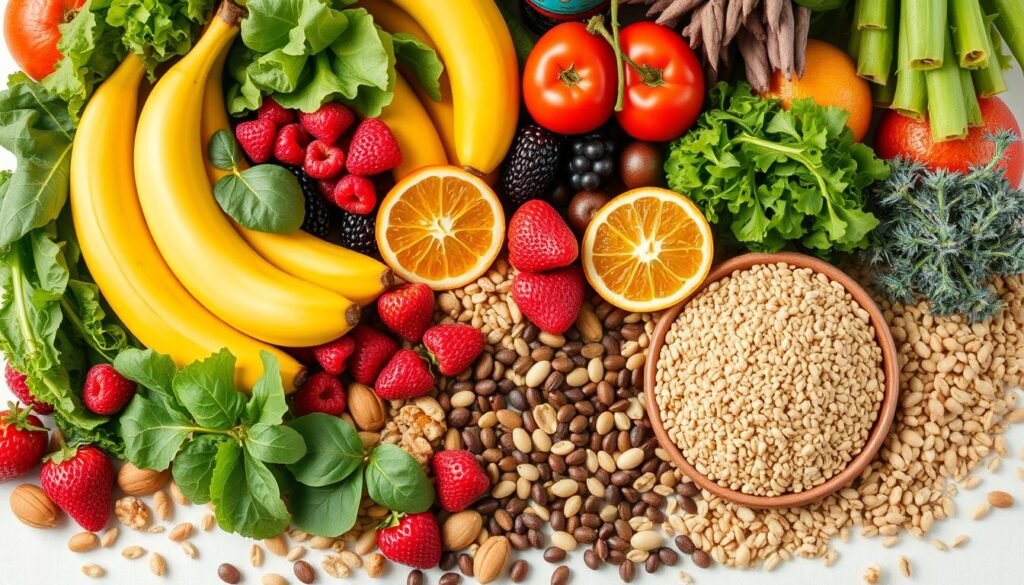
Foods to Include in the DASH Diet
The DASH diet is all about eating the right foods to manage hypertension. It includes fruits, vegetables, whole grains, and dairy products. These foods offer nutrients that help lower blood pressure.
Fruits and Vegetables
Eating lots of fruits and vegetables for hypertension is key in the DASH diet. Try to have 4 to 5 servings of each every day. They’re rich in vitamins and minerals and good for your health.
They also have lots of fiber but are low in calories. This is great for reducing blood pressure. Eating many different colors of fruits and veggies gives you more nutrients.
Whole Grains and Dairy Products
Whole grains are very important in the DASH diet. They provide whole grains benefits. Eat 7 to 8 servings of foods like oatmeal, brown rice, and whole grain bread each day.
Their fiber is good for your digestion and keeps your energy steady. Low-fat or fat-free dairy products in DASH help you get enough calcium. This is important for strong bones and can help with blood pressure. Adding these foods to your diet makes it nutritionally balanced for better health.
Foods to Avoid on the DASH Diet
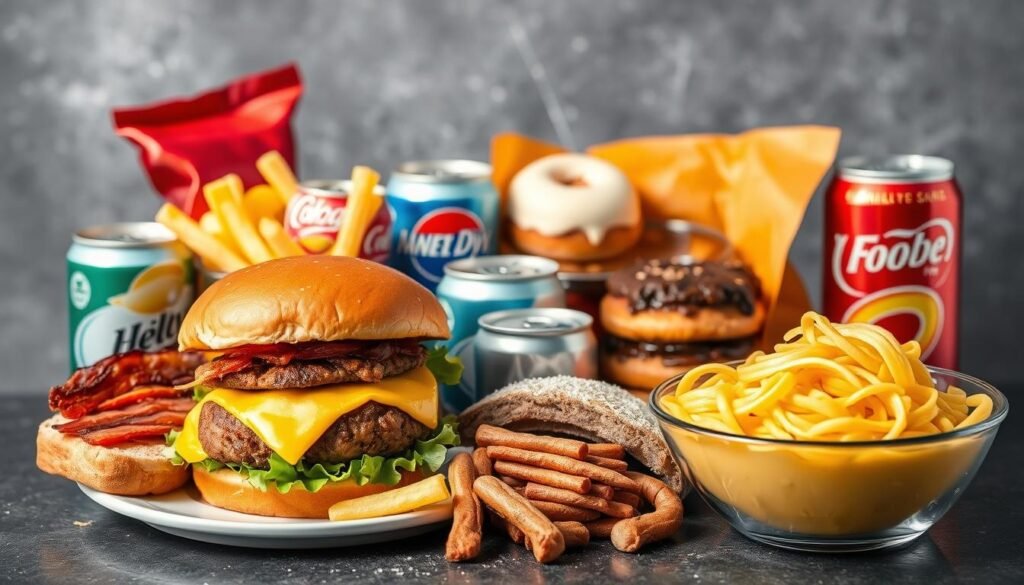
When following the DASH diet, it’s important to know which foods to stay away from. Avoiding certain foods can lower blood pressure and boost overall health. Key is to cut down on foods high in sodium.
High-Sodium Foods
High-sodium foods lead to higher blood pressure. It’s best to avoid processed meats, canned soups, and salty snacks. These items can have a lot of preservatives and flavorings, increasing the sodium. Try eating more fresh fruits, vegetables, and whole grains instead.
Reducing how much sodium you eat is crucial. For many, staying under 2,300 mg a day helps. Yet, the DASH diet suggests some might do better with just 1,500 mg. Always check with a doctor first.
Processed Sugars and Saturated Fats
Cutting out processed sugars and eating less saturated fat is key to the DASH diet, too. Foods like sugary drinks, snacks, and desserts can make you gain weight and raise your cholesterol. This can lead to heart disease or diabetes.
Also, try to limit foods high in saturated fats such as fatty meats and full-fat dairy. These can affect your heart health. Aim to cut processed sugars and eat more fiber for better heart health. Making smart choices is vital for managing blood pressure.
DASH Diet’s Sodium Guidelines
The DASH diet sets specific sodium limits for better blood pressure control. It suggests no more than 2,300 milligrams of sodium daily. For those with high blood pressure, a tighter limit of 1,500 milligrams is recommended. This lower sodium intake can lead to more significant blood pressure drops. Knowing these limits helps people choose their food wisely.
The DASH diet helps manage how much sodium you eat. By eating more fruits, vegetables, and whole grains, sodium in meals decreases. Aim for 4 to 5 servings of fruits and veggies daily. Also, eat 6 to 8 servings of whole grains. Lean proteins like poultry, fish, and plant-based foods should be eaten in moderation, up to 2 servings a day. Eating this way cuts down on processed foods, which are often high in sodium.
Talk to a doctor to find the best sodium level for you on the DASH diet. Following these sodium guidelines can lead to better health, lowering the risk of chronic diseases. Sticking to these recommendations not only helps with high blood pressure but also boosts overall health.
Sample DASH Meal Plan
A well-structured DASH meal plan helps promote heart health and manage blood pressure. For those eating 2,000 calories a day, DASH suggests certain daily servings. These include:
| Food Group | Daily Servings (2,000 calories) |
|---|---|
| Grains | 6-8 servings |
| Vegetables | 4-5 servings |
| Fruits | 4-5 servings |
| Dairy (low-fat) | 2-3 servings |
| Lean Meats, Poultry, Fish | 6 servings or fewer |
| Nuts, Seeds, Legumes | 4-5 servings per week |
| Fats and Oils | 2-3 servings |
| Sweets | 5 or fewer servings per week |
This meal plan for controlling blood pressure focuses on whole foods. It avoids too much sugar and bad fats. For instance, breakfast could be oatmeal with fruit on top. This start is both nutritious and tasty.
Lunch might be a salad with lean chicken or beans and a light dressing. It’s filling and healthy. For dinner, try grilled fish and steamed veggies. It keeps the meal heart-healthy and enjoyable.
By following the DASH plan, you can meet your nutritional needs and control your blood pressure. This structured eating supports heart health, showing how crucial diet management is. For tips on keeping cholesterol in check, see these dietary guidelines. They fit well with the DASH approach.
Health Benefits of the DASH Diet
The DASH diet stands for Dietary Approaches to Stop Hypertension, bringing many health benefits. It focuses on nutrient-rich foods for a healthier life. It also helps with weight control and heart health.
Weight Loss and Heart Health
People who try to lose weight with DASH see good results because of its balanced eating. It includes more fruits, vegetables, and whole grains but less salt and bad fats. This way, DASH is great for your heart.
Eating 4-5 servings of fruits and veggies and high-fiber foods helps keep a healthy weight. Studies show sticking to DASH can cut down the risk of heart diseases. It could prevent about 400,000 deaths from heart issues in ten years.
Lowering Blood Pressure
The DASH diet is key for lowering blood pressure and is known for its effectiveness. Studies show it can lower blood pressure in just a week, even without cutting sodium. Continuous following of the diet keeps blood pressure low for everyone.
It suggests eating no more than 2,300 mg of sodium a day. For better results, go down to 1,500 mg. This diet not only lowers blood pressure but also improves health in many ways. It’s great for anyone wanting to get healthier.
Tips for Starting the DASH Diet
Switching to the DASH diet helps a lot with blood pressure. It asks you to make changes slowly to eat better. For example, eat more fruits and swap white bread for whole grains. This makes it easier to stick with the diet.
Making Gradual Changes
Starting slow with the DASH diet makes it easier to keep up. Try adding more fruits, veggies, whole grains, and low-fat dairy step by step. The goal is to change your eating habits for good, not just for now.
Meal Prepping and Planning
Planning your DASH meals helps you stay on track. It lets you control what you eat better. By preparing food ahead, you won’t choose unhealthy meals when you’re busy. It makes eating well simple and stress-free.
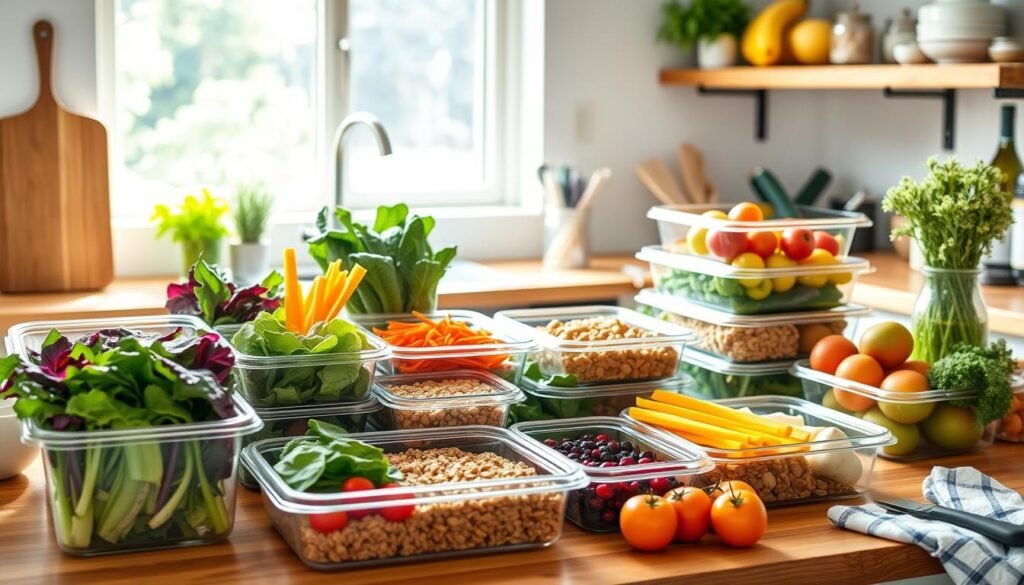
Check out resources for planning DASH meals for extra advice. These tips can turn the DASH diet into a long-term health plan.
The Role of Exercise in Managing Hypertension
Regular physical activity is key in controlling high blood pressure. It not only lowers blood pressure but also boosts well-being. The American Heart Association suggests 150 minutes of medium aerobic exercise weekly. Brisk walking, biking, or swimming are great for physical activity benefits.
Studies show that lifestyle changes can greatly reduce blood pressure. These changes include exercising, following the DASH diet, and keeping a healthy weight. People in a monitored program lowered their systolic blood pressure by 12 points. But, those who did it alone saw a 7-point drop. This shows how guided support is better for a fit lifestyle.
Pairing the DASH diet with exercise boosts the impact. The DASH diet encourages eating fruits, veggies, and low-fat dairy. It works well with exercise to lower high blood pressure by 5 to 8 mm Hg. Strength training also helps in reducing pressure levels.
For those who are overweight, losing just one kilogram can lower blood pressure by about 1 mm Hg. This shows how important exercise and a healthy weight are for managing high blood pressure.
| Activity Type | Recommended Duration | Potential Blood Pressure Reduction |
|---|---|---|
| Aerobic Exercise | 150 minutes per week | 5-8 mm Hg |
| Strength Training | 2 days a week | Additional reduction in blood pressure |
| Weight Loss | Variable | 1 mm Hg per kg lost |
Leading a healthy lifestyle with regular exercise and the DASH diet is a strong way to manage hypertension. These practices not only lower blood pressure but also improve heart health.
Conclusion
The DASH diet is great for managing high blood pressure with healthy foods. It focuses on eating whole foods and less salt. This diet has been shown to lower both the top and bottom numbers in blood pressure readings.
People who follow the DASH diet often lose weight and have a lower risk of heart problems. It not only helps with high blood pressure but also boosts overall health. This can prevent serious issues like heart attacks and strokes.
More folks are seeing how important diet is in controlling high blood pressure. The DASH diet is an easy choice for improving health and living better. For more details on its benefits, have a look at studies on DASH diet effectiveness.