The American Heart Association (AHA) suggests two servings of omega-3 rich fish per week. These nutrients are vital for heart health and stopping heart disease. Our bodies can’t make omega-3s, so we need to eat them or take supplements.
Salmon and mackerel are great sources of omega-3. You can also find these fats in flaxseeds and walnuts. This article talks about how omega-3 fatty acids help the heart. They make our cardiovascular system work better and improve health.
By learning about omega-3s, you can keep your heart healthy. And you can lower the chance of getting heart diseases.
Key Takeaways
- The AHA recommends eating at least 2 servings of omega-3 rich fish each week.
- Omega-3 fatty acids play a crucial role in heart disease prevention and overall health.
- Oily fish like salmon and tuna are excellent sources of EPA and DHA omega-3s.
- Plant-based sources, such as flaxseeds and walnuts, provide ALA omega-3s, beneficial for those avoiding fish.
- Consulting a healthcare provider is advised for individuals with heart conditions considering omega-3 supplements.
Understanding Omega-3 Fatty Acids
Omega-3 fatty acids are essential polyunsaturated fats necessary for our health. Our bodies can’t make them, so we need to get them from our diet. They help build cells and keep the body working well.
There are three main kinds of omega-3s: ALA, EPA, and DHA. ALA comes from plants like flaxseeds and walnuts. EPA and DHA are found in fatty fish such as salmon and mackerel. These types of omega-3s are important for heart health and more.
Eating foods rich in omega-3 is good for the heart. It can also lower inflammation and help with mental health. Getting a good balance of omega-3s is key for a healthy heart.
The Importance of Omega-3 Fatty Acids for Your Body
Omega-3 fatty acids are key for our health. They help our body work right, from our cells to our heart. In this part, we’ll explore the need for these fatty acids. We’ll focus on EPA and DHA types.
Essential Nutrients for Cell Function
Our body needs many nutrients to keep cells working well. Omega-3s are part of cell walls. They help cells interact and stay stable. Getting enough omega-3s helps our cells function and talk to each other, which is important for staying healthy.
Types of Omega-3 Fatty Acids
Omega-3s come in different types, and each offers unique health benefits. The main kinds are:
- EPA (Eicosapentaenoic Acid): EPA is in sea food and helps fight inflammation. It’s very important for our hearts.
- DHA (Docosahexaenoic Acid): Found in fish, DHA is key for the brain. It affects how we think and feel.
- ALA (Alpha-Linolenic Acid): This type comes from plants like flaxseeds. Our body can turn ALA into EPA and DHA, but not a lot of it.
| Type of Omega-3 | Source | Key Benefits |
|---|---|---|
| EPA | Fish (e.g., salmon, mackerel) | Reduces inflammation, supports heart health |
| DHA | Fish (e.g., sardines, tuna) | Essential for brain health and development |
| ALA | Flaxseeds, chia seeds, walnuts | Plant-based source, supports heart health |
Understanding different omega-3s helps us make good food choices. Eating enough EPA and DHA is key. Choosing good ALA sources also helps our cells and lowers health risks.
Omega-3 Fatty Acids and Heart Health
Research has consistently shown that omega-3 fatty acids play a significant role in promoting heart health. These essential fats reduce inflammation and enhance overall cardiovascular function, which can lower the risk of heart disease. Regular consumption of foods rich in omega-3s targets triglyceride levels, helping to diminish the risks associated with cardiovascular health.
Many studies support the beneficial effects of omega-3 fatty acids on heart health. For example, individuals who included high levels of eicosapentaenoic acid (EPA) and docosahexaenoic acid (DHA) from fatty fish in their diet tended to experience lower rates of coronary heart disease. The American Heart Association recommends that healthy individuals without any existing heart conditions consume fatty fish at least twice a week. This dietary inclusion not only elevates omega-3 intake but also introduces vital nutrients that support heart function.
Individuals utilizing fish oil supplements can significantly impact their cardiovascular health. Nevertheless, caution is advised. A study involving over 415,000 participants revealed that non-smokers and women taking fish oil experienced a slightly higher risk of stroke. Conversely, those with cardiovascular disease showed decreased progression of atrial fibrillation and heart failure when using fish oil supplements.
Implementing a diet rich in omega-3 fatty acids stands out as an effective strategy for enhancing heart health. It is essential to reach for foods with a high omega-3 content while recognizing those that might introduce health risks, such as certain fish with high mercury levels. For optimal heart health, individuals should balance their intake of various fat types and consult guidelines provided by health organizations.
Health Benefits of Omega-3 Fatty Acids
Omega-3 fatty acids are key for heart health. They help manage triglycerides, lower blood pressure, and cut the risk of arrhythmias. These are their standout benefits.
Reduction of Triglycerides
Studies show omega-3 fatty acids lower triglycerides in the blood. Taking 850 mg of EPA and DHA daily, with natural vitamin E, lowers heart disease risks. This helps your heart work better and reduces fat levels.
Lowering Blood Pressure
Omega-3 fatty acids help reduce blood pressure, aiding those with hypertension. Fish oil sources are particularly effective. Lower blood pressure means a lesser chance of heart disease.
Decreasing Risk of Arrhythmias
Irregular heartbeats, or arrhythmias, might be less likely with omega-3 fatty acids. Regular use can cut the risk. Along with heart-healthy habits, omega-3s improve heart rhythm.

| Health Benefit | Description |
|---|---|
| Reduction of Triglycerides | Lowering triglyceride levels helps reduce the risk of heart disease and promote better cardiovascular health. |
| Lowering Blood Pressure | Supports optimal blood pressure levels, particularly in those with hypertension, thus reducing heart disease risk. |
| Decreasing Risk of Arrhythmias | Regular consumption can lower the likelihood of developing irregular heartbeats, ensuring a stable heart rhythm. |
Sources of Omega-3 Fatty Acids
It’s important to know about different sources of omega-3. These nutrients are key for a healthy life. They come mainly from marine and plant-based foods. Both types have their perks, especially in preventing heart disease.
Best Marine Sources
Marine foods are loaded with EPA and DHA, vital for the heart. Here’s a list with the best marine sources and their omega-3 amounts:
| Food | Omega-3 Content (mg per serving) |
|---|---|
| Mackerel (3.5 oz) | 4,580 |
| Cod Liver Oil (1 tbsp) | 2,438 |
| Salmon (3.5 oz) | 2,150 |
| Herring (3.5 oz) | 2,150 |
| Sardines (1 cup) | 1,463 |
| Caviar (1 tbsp) | 1,046 |
Plant-Based Sources of Omega-3s
If you prefer plants, ALA is your go-to omega-3. This is great news for vegans and vegetarians. Look at these great plant-based choices:
- Flaxseed: 2,350 mg of ALA per tablespoon
- Chia Seeds: 5,050 mg of ALA per oz
- Walnuts: 2,570 mg of ALA per oz
- Soybeans: 670 mg of ALA per 1/2 cup
To meet omega-3 needs, how much ALA you need depends on your age and sex. A mix of marine and plant sources is best for plenty of omega-3s. This is crucial for staying healthy.
Fish Oil Supplements: Do They Work?
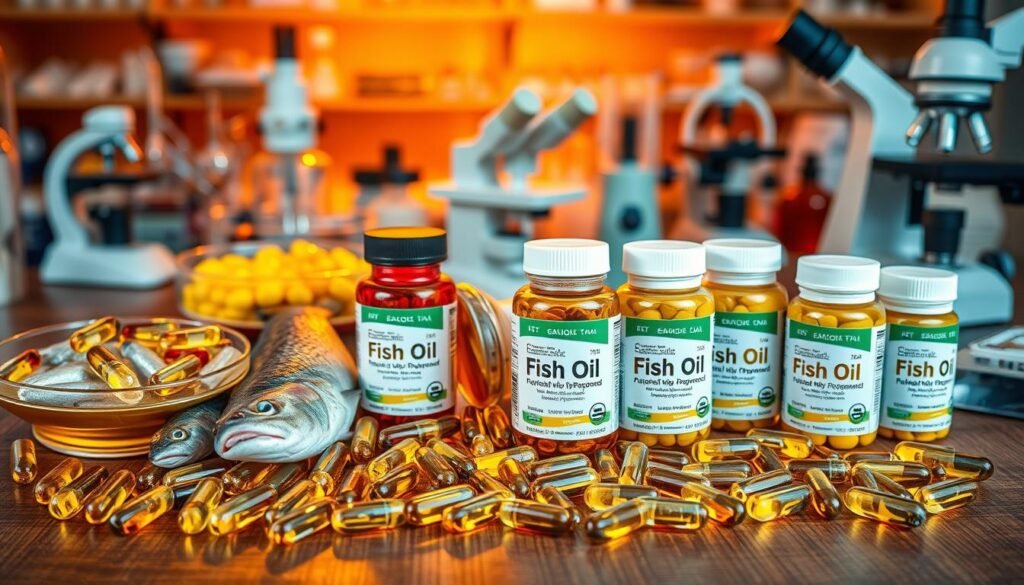
Fish oil supplements are popular for their omega-3 fatty acids. But, do they truly work? There’s debate, as clinical trials offer mixed insights. These studies look into their role in fighting heart disease. Understanding their benefits and limits is essential.
Benefits and Risks of Fish Oil Supplements
These supplements can slightly lower blood pressure and triglyceride levels. They may also ease rheumatoid arthritis symptoms. Generally safe, fish oil supplements can cause stomach issues and interact with some medicines.
Clinical Trials and Efficacy
Clinical trials show omega-3s in high doses can reduce triglycerides but might increase atrial fibrillation risk. Only a few supplements meet the advised 2 grams of EPA and DHA. Experts suggest eating omega-rich foods for heart health benefits, beyond what supplements offer. For more info, see the Mayo Clinic’s guide.
| Aspect | Details |
|---|---|
| Recommended Servings | 2 servings of fish rich in omega-3s per week |
| Popular Fish | Salmon, mackerel, albacore tuna, trout, sardines |
| Pill Content | Typically around 0.3 grams of omega-3 per pill |
| Clinical Findings | May modestly lower blood pressure and triglycerides |
| Efficacy in Trials | Mixed results; not proven to prevent heart disease |
| FDA Approved Prescriptions | Lovaza, Vascepa |
Heart Disease Prevention with Omega-3s
Adding omega-3 fatty acids to your daily life can help prevent heart disease. Many studies show that omega-3s improve heart health. They are crucial for keeping your heart in good shape.
Impact on Cardiovascular Health
Omega-3 fatty acids can reduce heart attack risks and other heart problems. The VITAL trial showed a 19% lower risk of heart disease in people with high omega-3 levels. Those who took omega-3 supplements had a 28% lower chance of heart attacks.
This was especially true for people who don’t eat much fish. The REDUCE-IT trial also found a 25% decrease in heart issues among those at high risk using icosapent ethyl. These results show omega-3s not only prevent but also combat serious health issues.
Recommendations for Consumption
Experts suggest eating two fish servings per week for enough omega-3s. This is key for fighting heart disease. People with a family history of heart issues should eat one fish serving daily.
Supplements can add more omega-3s. Yet, it’s important to take them with a doctor’s advice. High doses can have risks.
What to Consider Before Taking Supplements
Before you choose supplements, think about your health and needs. People have different needs for omega-3s because of their health and diet. Things like health conditions, what you eat, and your medicines affect if omega-3 supplements are right for you.
Consulting Your Healthcare Provider
Talking to a healthcare provider is key before taking omega-3s. They can offer advice based on your health. It is important because fish oil supplements vary a lot in what they have and how much you should take.
Certain studies show that taking too much fish oil might lead to heart rhythm issues for healthy people. Yet, taking one gram a day can lower heart attack risks without adding to these problems. Always talk to your doctor to use omega-3 supplements safely. Here are the main things to think about with omega-3 supplements:
| Consideration | Description |
|---|---|
| Health Conditions | Existing conditions like heart disease or high triglycerides may necessitate specific dosages. |
| Potential Interactions | Fish oil may interact with certain medications, impacting overall health management. |
| Personalized Advice | Healthcare providers can tailor recommendations based on individual health status and goals. |
| Quality of Supplements | The purity and composition of supplements can vary, which affects effectiveness. |
Research on omega-3 supplements is always advancing. It highlights the need for well-informed choices. For more info, check out how fish oil supplements affect heart health.
Potential Risks and Side Effects of Omega-3s
Omega-3 fatty acids are known for their health benefits. But, they also come with potential risks and side effects. Knowing these drawbacks helps people make informed dietary choices.
Fish oil supplements may contain heavy metals, which pose health risks. Also, high doses of omega-3 fatty acids could increase bleeding risk. This is especially true for those on blood-thinners. It’s crucial to know the safe levels of omega-3s.
High omega-3 intake might slightly raise the risk of atrial fibrillation. This condition causes an irregular heartbeat.
Too much fish oil can cause several side effects, like:
- Nosebleeds, often in teenagers taking 1–5 grams daily
- Raised blood sugar in people with type 2 diabetes, seeing a 22% increase after high doses
- Negative effects on mood disorders, making insomnia and anxiety worse for some
- Vitamin A toxicity from too much cod liver oil
About 72% of teens taking daily fish oil supplements experienced nosebleeds. Knowing these side effects helps in deciding if the benefits outweigh the risks.
| Potential Risks | Details |
|---|---|
| Heavy Metal Contamination | Risk associated with fish oil supplements due to toxic levels of metals. |
| Increased Bleeding Risk | Higher doses enhance bleeding potential, especially with anticoagulants. |
| Atrial Fibrillation | Possible increased risk of irregular heartbeat with high omega-3 intake. |
| Elevated Blood Sugar | 22% increase in blood sugar for type 2 diabetics on high doses. |
| Nosebleeds | Common side effect noted among adolescents taking fish oil. |
In summary, omega-3s have lots of health benefits. But, being aware of their risks and side effects is key. Talking to healthcare providers about these issues can help manage intake and reduce risks.
Guidelines for a Heart-Healthy Diet
A heart-healthy diet is about more than cutting bad fats. It’s about adding omega-3s and getting the right nutrients, too. This helps your overall health and keeps your heart strong. Here are easy steps to eat better for your heart.
Integrating Omega-3s Into Your Meals
Adding omega-3 fatty acids to your meals boosts heart health. Foods like salmon, mackerel, and herring are packed with these healthy fats. The American Heart Association suggests eating these fish twice a week. You can also find omega-3s in:
- Flaxseeds
- Chia seeds
- Walnuts
- Algal oil (a plant-based source of omega-3s)
These options add omega-3s and healthy fats to your diet. Making meals with these ingredients supports a heart-friendly eating plan.
Balancing with Other Nutrients
A balanced diet also means watching other nutrients. Keep saturated fats under 6% of your daily calories to lower heart disease risk. Aim for less than 2,300 milligrams of sodium a day, but less than 1,500 milligrams is best.
Eating whole grains, like brown rice and quinoa, helps control blood pressure. Choose lean proteins from poultry, fish, and beans for healthy muscle without the fat. For less sodium, pick low-sodium canned veggies or fruits in water or juice.
| Nutrient | Recommended Limit | Importance |
|---|---|---|
| Saturated Fat | Less than 6% of daily calories | Reduces heart disease risk |
| Sodium | 2,300 mg/day (ideally 1,500 mg) | Important for proper blood pressure |
| Omega-3 Fatty Acids | Two servings of fatty fish per week | Helps your heart and lowers blood fats |

Conclusion
Omega-3 fatty acids are super important for a healthy heart. Studies show that people aren’t eating enough of these nutrients anymore. We really need to eat more omega-3s from fish and plants to stay healthy and avoid heart disease.
Eating a diet full of omega-3s can lower bad fats in your blood and blood pressure. It makes your heart healthier. Even though taking omega-3 pills is popular, getting these fats from food is better. Always talk to a doctor about your diet to make the best choices for your health.
Adding more omega-3s to what we eat is key to living healthier. People are learning more about how important these nutrients are for our hearts. It’s important to choose your food wisely, with a focus on being healthy all around.