About one in three adults in the U.S. has high cholesterol. This shocking fact highlights the need for managing cholesterol and controlling blood pressure. With both being leading causes of heart disease and stroke, knowing how to lower them is key for heart health. This article shares heart health tips including lifestyle changes. These changes, like eating better and moving more, can greatly improve your cholesterol and blood pressure. For specific eating tips, visit the Mayo Clinic.
Key Takeaways
- Reduce saturated fats to less than 6% of daily calories for better cholesterol levels.
- Engage in at least 150 minutes of moderate-intensity exercise weekly.
- Aim for a minimum of 5% to 10% weight loss for improved cholesterol numbers.
- Implement dietary changes like the DASH diet to control sodium intake.
- Limit alcohol consumption—two drinks a day for men and one for women.
Understanding High Cholesterol and High Blood Pressure
Many adults in the U.S. live with high cholesterol, also known as hyperlipidemia. It causes fatty deposits in arteries, leading to blockages. High blood pressure, experienced by around 121.5 million adults, adds extra stress on the heart.
Knowing the risks of these conditions is essential. Blood tests find high cholesterol, and you want your total cholesterol below 200 mg/dL. For a healthy heart, LDL cholesterol should stay under 100 mg/dL. Men need HDL cholesterol at least 40 mg/dL, while women need 50 mg/dL.
There’s a notable link between blood pressure and cholesterol levels. High blood pressure is when readings are over 140/90 mmHg. Over 60% of people with high blood pressure also have high cholesterol. Factors like your family history, what you eat, stress, and how much you move can increase your blood pressure risk. The American Heart Association suggests adults 20 and older should check their blood pressure and cholesterol levels regularly.
Having high cholesterol and blood pressure raises your heart disease and stroke risk. Your diet, weight, and activity level are critical in managing them. Making lifestyle changes like eating more fruits, vegetables, and whole grains, and exercising can help control your cholesterol and blood pressure.
| Condition | Statistical Data |
|---|---|
| Hypertension (High Blood Pressure) | 43% of American adults |
| Hyperlipidemia (High Cholesterol) | 38% of American adults |
| Adults with Both Conditions | Over 60% |
| Ideal Blood Pressure | Systolic |
| Healthy Total Cholesterol |
Importance of Cholesterol Management
Managing cholesterol is key to lowering the risk of heart disease. Knowing your cholesterol levels lets you make smart health choices. A good total cholesterol number is about 150 mg/dL. LDL, or “bad” cholesterol, should be under 100 mg/dL. Men should have HDL (“good” cholesterol) over 40 mg/dL and women over 50 mg/dL. It’s also important to keep triglycerides below 150 mg/dL for good health.
High cholesterol means levels above 200 mg/dL. Many Americans face this issue, often due to diets rich in bad fats and not enough exercise. Diseases like type 2 diabetes and obesity can also increase cholesterol. High cholesterol can lead to plaque in the arteries, raising the risk of heart disease and stroke. These conditions are among the top killers in the U.S.
Recent stats show that only 54.5% of Americans over 21 who could use statin therapy are actually using it. Older adults tend to follow this therapy more. Non-Hispanic white adults are more likely to use statins than other groups. People with familial hypercholesterolemia, a condition causing very high LDL levels, have a greater risk of heart problems. This highlights the importance of managing cholesterol well.
Dietary Changes for Heart Health
Adopting a diet for heart health is key for managing cholesterol and blood pressure. Focusing on heart-healthy foods can greatly improve cardiovascular health. Adding a mix of fruits, vegetables, whole grains, and nuts boosts nutrition and heart function.
Eating Heart-Healthy Foods
Fruits and veggies are vital in a balanced diet. The DASH diet advises four to five servings of each daily. Think of a serving as a medium apple or half a cup of fruit.
Whole grains add valuable fiber, aiming for cereals with at least 5 grams of fiber.
Choosing your meals wisely can make them both tasty and healthy. Heart-healthy eating lowers cholesterol and helps control blood pressure. The DASH diet is a great guide for anyone looking for structured advice.
Reducing Saturated and Trans Fats
Limiting saturated fat and avoiding trans fats are key. The American Heart Association suggests keeping saturated fats below 6% of daily calories. That’s about 11 to 13 grams for a 2,000-calorie diet. Avoid trans fats from processed foods and certain margarines for heart health.
Choose healthier fats for a positive impact. Unsaturated fats, found in olive and canola oil, encourage heart health. Always read nutrition labels to spot unhealthy fats like hydrogenated oils.
Increasing Omega-3 Fatty Acids
Adding omega-3 fatty acids to your diet benefits heart health. Foods like salmon, flaxseeds, and walnuts are top choices. They lower blood pressure and boost heart health. Include servings of fatty fish twice a week for best results.
Making these dietary changes can foster a healthier lifestyle. This approach is supported by the American Heart Association’s Heart-Check mark on select products.
Exercise and Physical Activity
Getting regular exercise is key to controlling high cholesterol and blood pressure. Health organizations recommend at least 150 minutes of moderate exercise every week. This helps raise good cholesterol and lower the bad, benefiting your heart.
Many activities like brisk walking, cycling, and swimming can help meet these targets. They boost heart health, lower blood pressure, and help in controlling weight. Shedding just 5 pounds could notably decrease blood pressure. Regular activity can cut systolic and diastolic blood pressure by around 3-4 mmHg.
To highlight how crucial physical activity is, look at this table. It shows the link between exercise time and blood pressure changes:
| Exercise Duration | Impact on Systolic BP | Impact on Diastolic BP |
|---|---|---|
| 150 minutes/week of moderate exercise | 4 to 10 mmHg drop | 5 to 8 mmHg drop |
| 75 minutes/week of vigorous exercise | Comparable drop | Comparable drop |
| Daily 5-10 minute activity breaks | Significant benefits | Improves overall management |
Not being active increases the risk of high blood pressure. With over 21% of U.S. adults having raised blood pressure, following physical activity guidelines is more important than ever. Talking to doctors about exercise plans can ensure they fit any special health needs. Always check with your healthcare provider before starting new exercises, especially if you have health issues.
Quitting Smoking for Better Heart Health
Smoking is a major cause of heart disease, impacting cholesterol levels. It lowers HDL (good) cholesterol and raises LDL (bad) cholesterol. This increases the risk of heart disease, making it crucial to stop smoking for better cardiovascular health.
Quitting smoking brings quick health benefits. Breathing gets easier and the senses of smell and taste get sharper within days. Blood circulation improves soon after quitting. Carbon monoxide and oxygen levels in the blood normalize, enhancing well-being. Thus, quitting smoking greatly benefits heart health over time.
People who stop smoking usually live longer. They have a lower risk of stroke, almost equal to non-smokers. Quitting smoking lowers the risk of heart disease significantly. Programs to help quit, along with medicines, make the process easier. The American Heart Association offers tools and resources to assist in this vital step.
Supporting a quitter involves watching for behavior changes if they use medication. Choosing a quit day within the next week helps in stopping successfully. Fighting smoking reduces heart disease risk and eases the strain of related illnesses. It’s key in managing cholesterol levels.
The American Lung Association updates over 700,000 subscribers on lung health and quitting smoking research. For more on how quitting affects heart health, visit this resource.
Maintaining a Healthy Weight
Maintaining a healthy weight is key for good cholesterol levels and heart health. Being overweight can raise bad cholesterol and lower good cholesterol. This increases heart disease risk. Making small lifestyle changes can help with weight loss and better health.
The Impact of Obesity on Cholesterol Levels
To understand how obesity affects cholesterol, know about BMI classifications:
| BMI Classification | BMI Range |
|---|---|
| Underweight | Less than 18.5 |
| Normal Weight | 18.6 to 24.9 |
| Overweight | 25 to 29.9 |
| Grade 1 Obesity | 30 to 34.9 |
| Grade 2 Obesity | 35 to 39.9 |
| Grade 3 Obesity | 40 or Above |
If your BMI says you’re overweight or obese, you’re more likely to have bad cholesterol levels. This makes weight management crucial for a healthy heart.
Small Changes for Losing Weight
Starting weight loss plans doesn’t have to be hard. Here are easy tips:
- Try to be active for at least 30 minutes on most days.
- If you want to lose more weight, aim for 60 to 90 minutes of activity every day.
- Reduce screen time and go for walks instead.
- Choose stairs over elevators to move more.
Eating right also helps to maintain a healthy weight. Follow these tips:
- Eat balanced meals in the right amounts to avoid overeating.
- Add lean proteins and lots of veggies to your diet.
- Cut down on foods high in saturated fats, sugars, and calories.
How you set up meals can encourage better eating habits:
- Eat at the table and avoid snacking at other times.
- Keep junk food out of sight and have healthy snacks ready.
- Use smaller plates for better portion control.
- Eat slowly and enjoy every bite.
Keeping track of your weight and what you eat helps a lot. Weigh yourself once a week. Keep a food diary to see what you’re eating and track your progress.
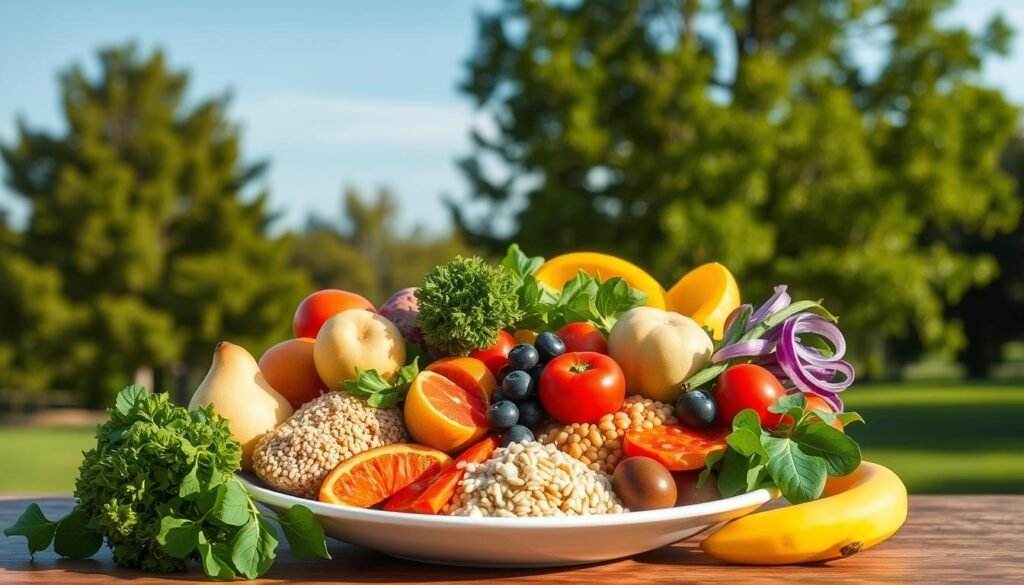
Focus on lasting, positive changes for maintaining a healthy weight and heart health. Joining exercise groups can motivate you and promote a healthier lifestyle.
Alcohol Consumption Guidelines
Understanding how much alcohol you should drink is key to keeping your heart healthy. Drinking a little can be good for your cholesterol. But, drinking too much can lead to serious health problems like high blood pressure and heart disease. It’s all about moderation for those who choose to drink.
The Effects of Moderate Alcohol on Cholesterol
Drinking alcohol in moderation may help increase good cholesterol levels. For women, this means one drink a day. For men, up to two. A drink can be 12 ounces of beer, 5 ounces of wine, or 1.5 ounces of spirits.
However, the relationship between alcohol and cholesterol is complex. While light drinking can boost good cholesterol, heavy drinking can do the opposite. It can increase bad cholesterol and triglycerides, leading to health issues.
It’s important to watch how much you drink, especially if you have high blood pressure. Drinking a lot quickly can make your blood pressure shoot up. Cutting back to moderate drinking can help lower your blood pressure. You might see it go down by about 5.5 mm Hg in systolic pressure and 4 mm Hg in diastolic pressure.
It’s crucial to make smart choices about drinking alcohol. Drinking too much can make you gain weight, increasing blood pressure risks. If you’re taking medication for high blood pressure, be careful. Alcohol might affect how well your medication works.
Following the recommended drinking guidelines can help keep your heart in good shape. Moderation is very important. For those who want to delve deeper into how alcohol affects cholesterol, this can be a useful guide: learn more here.
Natural Remedies for High Cholesterol
High cholesterol often needs more than just lifestyle changes. Natural remedies for high cholesterol can help along with diet and exercise. They give extra support for heart health. Adding foods rich in omega-3s, like fatty fish, to your meals weekly can cut heart attack risks. Studies show eating one to two servings of fatty fish weekly might work better than cholesterol-lowering pills alone.
Eating foods with plant sterols helps lower cholesterol too. You can find these in some spreads or supplements and they are good at cutting heart disease risk. Also, red yeast rice is known for its cholesterol-lowering powers because of its monacolin K.
Garlic might help lower cholesterol and blood pressure, even though study results vary. Along with other methods, using dietary fiber and nuts is helpful. Foods like oats, beans, and various nuts can decrease LDL cholesterol and are good for the heart.
Here is a table showing different natural remedies to manage cholesterol:
| Remedy | Potential Benefits |
|---|---|
| Fatty Fish | Reduces heart attack risk through omega-3 fatty acids |
| Red Yeast Rice | May lower cholesterol levels due to monacolin K |
| Plant Sterols | Helps reduce LDL cholesterol |
| Garlic | May lower blood cholesterol and pressure |
| Dietary Fiber | Supports overall cholesterol reduction |
| Nuts | Can reduce cholesterol and lower heart disease risk |
It’s important to talk to a healthcare professional before starting any cholesterol-lowering supplements. This ensures that these natural remedies fit well with your health plan. Using these natural methods, along with eating right and staying active, can lead to better heart health.

Management Techniques for High Blood Pressure
Managing high blood pressure involves various strategies that boost heart health. There are many ways to control blood pressure, giving people options to better their health. Each approach helps manage blood pressure, leading to improved health.
Understanding Blood Pressure Control
To keep blood pressure healthy, blend diet changes, exercise, and sometimes meds. Making lifestyle changes is key to avoiding problems like heart disease and stroke. Let’s look at ways to handle high blood pressure well:
- Weight Management: Losing weight can help lower blood pressure. For every kilogram (2.2 pounds) lost, blood pressure can drop by 1 mm Hg.
- Dietary Choices: Eating according to the DASH or Mediterranean diet can reduce blood pressure by up to 11 mm Hg.
- Sodium Reduction: Cutting back on sodium to 2,300 mg a day could reduce blood pressure by 5 to 6 mm Hg.
- Aerobic Exercise: Regular exercise can decrease high blood pressure by 5 to 8 mm Hg.
- Potassium Intake: Taking in 3,500 to 5,000 mg of potassium daily can lower blood pressure by 4 to 5 mm Hg.
Along with these strategies, managing stress with relaxation methods helps blood pressure. Getting 7 to 9 hours of sleep a night is crucial. These changes are vital for long-term success in controlling high blood pressure.
Most people with high blood pressure need meds and lifestyle changes for control. Talking to a doctor is vital, as uncontrolled high blood pressure is risky.
Combining Lifestyle Changes with Medication
Managing high cholesterol and blood pressure needs a combined approach. Lifestyle changes are key, but medication is also often needed for the best outcomes. Working with healthcare providers is crucial. They help create a treatment plan that blends lifestyle changes with medications effectively.
A study found that combining a healthy lifestyle with blood pressure meds reduces death risks. People with high lifestyle scores and on medication saw the greatest benefits. This shows how vital lifestyle changes and medication are together for health and survival.
Several lifestyle changes are crucial for managing cholesterol and blood pressure. They include:
- Balanced diet: Eat heart-healthy foods and limit bad fats.
- Regular physical activity: Get at least 150 minutes of exercise weekly.
- Weight management: Small weight loss efforts help lower health risks.
- Adequate sleep: Aim for 7 to 9 hours of sleep each night.
Lifestyle changes are vital for controlling high blood pressure, but don’t ignore meds. For those with organ damage from high blood pressure or high heart risk, starting medication with lifestyle changes is key. This combination greatly improves health.

Conclusion
It’s very important to manage high cholesterol and blood pressure for a healthy heart. Studies show that high LDL cholesterol can lead to heart disease. High blood pressure can cause heart failure and stroke.
Making changes in your life like eating better and exercising can help a lot. It’s key to eat less saturated fats and more omega-3 fatty acids. Regular exercise is also crucial for heart health.
Quitting smoking is also a big step toward better heart health. It makes you overall much healthier and helps your heart a lot.
Sometimes, you might need medicine along with lifestyle changes for the best results. Doing this improves heart health and protects against other heart risks. Making these changes is good for your entire health and leads to a longer, healthier life.