Many people with type 2 diabetes, up to 70%, have a condition called diabetic dyslipidemia. It means they have low “good” cholesterol (HDL) and high “bad” cholesterol (LDL). This fact shows how closely cholesterol levels and diabetes are linked. It’s very important for people with diabetes to watch their cholesterol.
We’re digging into how high cholesterol and diabetes are connected. This will help you understand if high cholesterol really leads to diabetes. You’ll learn about the risks of both and how to lower those risks. Knowing about high cholesterol and diabetes is crucial for maintaining good health.
Key Takeaways
- High cholesterol and diabetes often coexist and can exacerbate health risks.
- Up to 70% of individuals with type 2 diabetes may have diabetic dyslipidemia.
- Low HDL and high LDL cholesterol levels significantly increase the risk of heart disease.
- Managing cholesterol can help reduce the risk of diabetes and cardiovascular disease.
- Regular exercise and dietary changes play a critical role in cholesterol control.
- Understanding the link between cholesterol levels and insulin resistance is essential for prevention.
Understanding Cholesterol and Its Importance
Cholesterol is a waxy substance your body makes. It’s also in some foods we eat. It’s important because it helps produce hormones, build cell walls, and keeps us healthy. But, too much cholesterol can cause heart disease and diabetes problems.
What is Cholesterol?
Our bodies need cholesterol to work right. We get it from our body making it and from foods. It’s important to watch how much we eat. There are two main types of cholesterol: HDL and LDL. Knowing about these types helps us stay healthy.
Types of Cholesterol: HDL vs. LDL
HDL cholesterol is the “good” kind. It helps take bad cholesterol out of your blood. High HDL levels mean you’re healthier. But, LDL cholesterol is “bad” because it can clog your arteries. That raises your risk for heart problems.
| Cholesterol Type | Description | Health Impact |
|---|---|---|
| HDL Cholesterol | High-Density Lipoprotein | Reduces heart disease risk |
| LDL Cholesterol | Low-Density Lipoprotein | Increases heart disease risk |
Doctors advise people over 20 to check their cholesterol every 4 to 6 years. This is very important for people with diabetes since they have a higher risk of heart disease. Even if blood sugar is under control, the danger remains. To learn more, check out this research.
Defining Diabetes and Its Types
Diabetes is a big health issue. It happens when the body struggles with insulin. Insulin helps manage blood sugar. If not controlled, diabetes can cause many health problems. Millions in the United States live with this condition. Knowing about diabetes is important.
What is Diabetes?
Diabetes comes in different forms, each affecting the body differently. It’s all about insulin and blood sugar. If your body can’t use insulin right or doesn’t make enough, sugar builds up in your blood. Understanding these problems is key to managing diabetes.
Types of Diabetes: Type 1, Type 2, and Gestational
The types of diabetes include:
- Type 1 diabetes: This is when the body can’t make insulin. It’s seen in children and young adults but can appear at any age. People with this type need insulin from outside sources.
- Type 2 diabetes: This makes up most diabetes cases and ties to lifestyle and genes. It can go unnoticed for years because symptoms might not show. Being overweight, inactive, and having diabetes in the family raises your risk.
- Gestational diabetes: This happens during pregnancy. It’s when your body can’t make enough insulin for pregnancy. Women with this type might get type 2 diabetes later on.
Knowing about diabetes types is vital for spotting symptoms and risks. About 37.3 million Americans had diabetes in 2019. Many might not know they have it. This is especially true for older adults.
The Relationship Between High Cholesterol and Diabetes
High cholesterol and diabetes are closely linked, revealing important details about how the body works. When cholesterol levels are high, it can make insulin resistance worse. This makes the body less good at using insulin.
If the body doesn’t use insulin well, blood sugar levels go up. This is a main sign of diabetes.
Insulin Resistance and Cholesterol Levels
Insulin resistance means the body’s cells don’t react well to insulin, causing high blood sugar. This leads to poor cholesterol levels, like low HDL (good) and high LDL (bad) cholesterol. These changes increase the risk of heart disease and other heart problems.
People with insulin resistance often have bad cholesterol levels. This puts their health at greater risk.
Diabetic Dyslipidemia Explained
Diabetic dyslipidemia is when a person with diabetes has abnormal cholesterol levels. They have high LDL, low HDL, and high triglycerides. This condition is common in people with type 2 diabetes. Understanding it is critical.
Here’s a table showing normal and dyslipidemic cholesterol levels:
| Cholesterol Type | Normal Levels (mg/dL) | Dyslipidemia Levels (mg/dL) |
|---|---|---|
| LDL (bad) Cholesterol | Less than 100 | Greater than 130 |
| HDL (good) Cholesterol | Greater than 60 | Less than 40 |
| Triglycerides | Less than 150 | 200 or higher |
Knowing about insulin resistance, cholesterol levels, and diabetic dyslipidemia is key. Eating right and living healthily can lower the risk of diabetes complications. This includes things like heart disease and stroke.
Does High Cholesterol Cause Diabetes?
Many people wonder if high cholesterol can cause diabetes. The link between them is complex, but there’s evidence of a connection. High levels of LDL cholesterol may lower insulin sensitivity, important for preventing diabetes.
Studies show that people with high cholesterol could be more likely to get diabetes. For instance, 70% of those with type 2 diabetes have abnormal lipid levels, known as diabetic dyslipidemia. This issue is tied to being overweight, as 85% of type 2 diabetics are overweight or obese.

Lifestyle plays a big role in managing cholesterol and preventing diabetes. The American Heart Association says to eat less saturated fat. Walking 10 to 30 minutes a day can lower bad cholesterol and raise the good one. Losing 5% to 10% of your body weight could greatly improve cholesterol levels.
This connection makes us ask if high cholesterol can lead to diabetes. Researchers are looking into it, showing how important it is to keep an eye on cholesterol. By doing so, people can make lifestyle choices that help their health. This includes eating right and exercising regularly.
Although there’s strong evidence linking high cholesterol and diabetes, we need more research. It will help us understand this relationship better and find ways to prevent it.
The Link Between High Cholesterol and Diabetes Risk
Understanding how cholesterol levels and diabetes risk are connected is essential for good health. Studies show that high cholesterol can make it hard for the body to use glucose properly. This can lead many people to develop type 2 diabetes, making the link between high cholesterol and diabetes very clear.
How Cholesterol Impacts Insulin Sensitivity
Cholesterol plays a big role in insulin sensitivity. When cholesterol levels are high, insulin can’t work as well to help cells take in glucose. This can lead to higher blood sugar levels and a risk of insulin resistance. People with high cholesterol are at a greater risk of getting type 2 diabetes.
Managing cholesterol is important for heart health and lowering diabetes risk. Research has shown that keeping cholesterol in check is especially important for those at risk of diabetes. This broad study underlines the need for good cholesterol management.
The Role of Inflammation in Both Conditions
Inflammation is a link between high cholesterol levels and diabetes. High cholesterol can cause inflammation in the body, worsening insulin resistance. Handling both high cholesterol and diabetes becomes harder with inflammation and bad heart health.
Inflammatory markers are often high when insulin resistance is present. This can start a harmful cycle, increasing the risk of chronic diseases. It’s important to deal with inflammation to improve metabolic health for those with high cholesterol and diabetes.
High Cholesterol and Diabetes Connection
Understanding the link between high cholesterol and diabetes is key. Studies show that cholesterol’s effect on blood sugar is important. People with diabetes often face abnormal cholesterol levels. This can cause serious health issues.
Cholesterol’s Influence on Blood Sugar Levels
High cholesterol can make controlling diabetes harder. It affects blood sugar negatively. Statins are a common treatment for high cholesterol. However, they might raise blood sugar levels. This makes it hard for patients to stay healthy.
This cholesterol and blood sugar link can worsen both conditions. For example, insulin resistance is linked to high bad cholesterol. It can lead to heart disease. Those with diabetes usually have lower good cholesterol levels. This increases their heart disease risk.
Complications Associated with Both Conditions
High cholesterol and diabetes can cause big health issues. Diabetics are more likely to get heart disease or have a stroke. Heart health is especially at risk with low good and high bad cholesterol levels. Table 1 shows the main problems from these health issues:
| Complication | Description |
|---|---|
| Cardiovascular Disease | High cholesterol can lead to atherosclerosis, contributing to heart disease and stroke. |
| Kidney Damage | High cholesterol can exacerbate kidney issues, particularly in long-term diabetes patients. |
| Neuropathy | Diabetes and high cholesterol can lead to nerve damage, causing pain and other symptoms. |
| Heart Attack | High LDL levels combined with diabetes significantly raise the risk of having a heart attack. |
It’s vital to manage both cholesterol and blood sugar to avoid these issues. Keeping a close eye on their health helps people lower their risk. This is crucial for staying healthy with high cholesterol and diabetes.
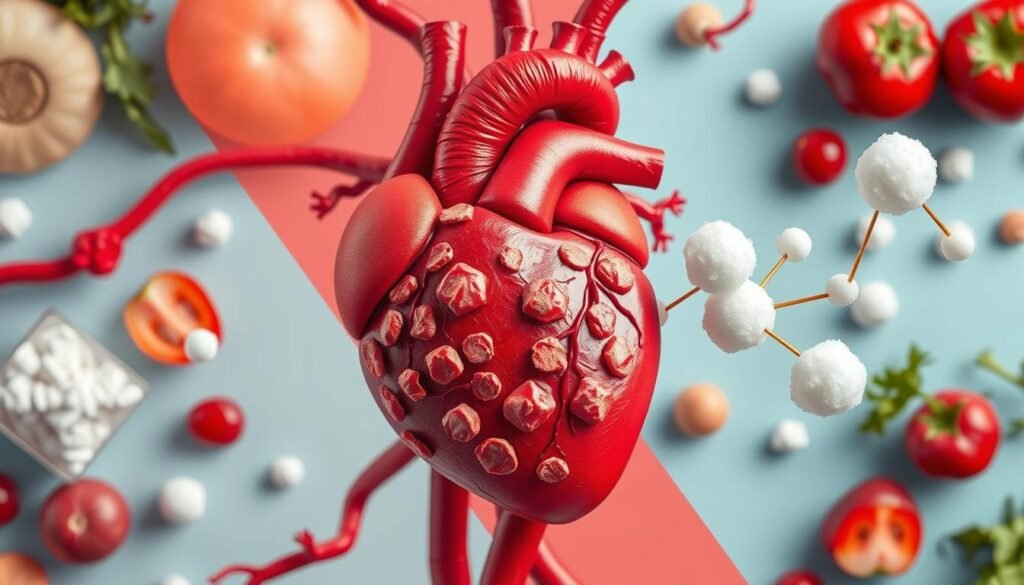
Managing High Cholesterol to Reduce Diabetes Risk
Managing your cholesterol is key to better health, especially if you want to lower your diabetes risk. Making diet and lifestyle changes helps manage high cholesterol. These steps are critical for maintaining good health.
Dietary Changes for Better Cholesterol Control
Diet plays a big role in controlling cholesterol, which is vital for heart health. Most of your cholesterol is made by the liver. So what you eat matters a lot. Here are some tips to get started:
- Increase fiber intake: Try to get at least 25 grams of fiber daily if you’re a woman, and 38 grams if you’re a man. Beans, lentils, fruits, and veggies are great sources of soluble fiber. This type of fiber helps control cholesterol.
- Limit saturated and trans fats: Keep saturated fats to less than 10 percent of your total daily calories, as advised by the Dietary Guidelines. This approach is good for your cholesterol and heart health.
- Incorporate healthy fats: Choose foods rich in omega-3s like oily fish, and eat nuts such as almonds and walnuts. These can help lower cholesterol and cut down cardiovascular risks.
- Focus on carbohydrates: Carbs should make up 45% to 65% of your total calories. Pick whole grains and low-glycemic foods to keep blood sugar levels in check.
- Consider plant sterols/stanols: Found in fortified foods, eating 1.5-2.4g of these substances daily can lower cholesterol effectively.
Benefits of Regular Exercise
The American Heart Association suggests getting regular exercise to manage cholesterol and improve insulin sensitivity. Here’s what they recommend:
- Moderate-intensity aerobic activity: Try for 150 minutes each week. Go for a brisk walk or swim to meet this goal.
- Vigorous aerobic activity: If you prefer, do 75 minutes of activities like running or cycling for similar benefits.
- Weight management: Losing 5% to 10% of body weight can enhance cholesterol levels and lower diabetes risk.
Exercise not only helps with cholesterol. It’s crucial for keeping blood sugar levels healthy. Quitting smoking adds to these benefits by lowering cholesterol over time.
Foods to Avoid for High Cholesterol and Diabetes
Making smart choices about what we eat is key in controlling high cholesterol and diabetes. Knowing which foods to stay away from can make a big difference in your health. Certain fats and sugars can make cholesterol higher and worsen insulin resistance.
This knowledge helps individuals pick healthier options.
Trans and Saturated Fats
It’s important to cut back on trans fats and saturated fats. You can find these fats in many snacks and fast foods. Trans fats are in baked items like cookies and pastries, raising bad cholesterol.
Saturated fats are in things from animals, like processed meats, and in some oils. Lowering these fats is crucial for managing cholesterol levels well.
High Sugar and Refined Carbohydrates
Eating a lot of sugar and refined carbs can make blood sugar spike. This can lead to insulin resistance. It’s best to limit sugary drinks, sweets, and certain baked goods.
Refined carbs, such as white bread and some snacks, increase blood sugar. Cutting down on these foods helps keep blood sugar steady. This is vital for those with cholesterol and diabetes problems.

| Food Type | Examples | Health Impact |
|---|---|---|
| Trans Fats | Pastries, crackers, margarine | Raises LDL cholesterol levels |
| Saturated Fats | Processed meats, full-fat dairy | Contributes to heart disease risk |
| Sugar | Soda, candy, desserts | Causes blood sugar spikes |
| Refined Carbohydrates | White bread, pastries | Exacerbates insulin resistance |
The Importance of Regular Health Check-Ups
Regular health check-ups are key for keeping healthy. They are crucial for people at risk for high cholesterol and diabetes. Check-ups can find health problems early on. Doctors say regular tests help protect against unseen diseases.
Testing for Cholesterol Levels
It’s very important to check your cholesterol. Kids between nine and 11 should get tested first. They need more checks every five years. Adults should get checks too. Men between 45-65 and women between 55-65 should check their cholesterol every one to two years. After 65, tests should be done yearly. This finds high cholesterol early. High cholesterol, over 200 milligrams per deciliter, raises the risk of heart disease and strokes.
Monitoring Blood Sugar Levels
Checking blood sugar is also critical. The normal range is 4 to 7.8 mmol/L. Regular tests can prevent diabetes or its complications. Both cholesterol and blood glucose tests are key. They show if treatments or lifestyle changes are working. Following check-up guidelines keeps you informed and active in your health care.
Medications and Treatments for Cholesterol and Diabetes
Managing high cholesterol and diabetes requires changes in lifestyle and medication. Statins are key cholesterol-lowering drugs to lower LDL cholesterol. This reduces heart attack and stroke risks. It’s important to know how diabetes treatments might affect cholesterol medications.
Statins and Other Cholesterol-Lowering Drugs
Statins like atorvastatin, rosuvastatin, and simvastatin are good at lowering cholesterol. They also improve heart health. But, about 5% of users might feel muscle pain.
Though, serious side effects like rhabdomyolysis are very rare. The FDA notes mild increases in liver enzymes and memory issues can occur. Yet, the chance of higher blood sugar or type 2 diabetes is low, especially for those with prediabetes.
The good outweighs the bad with statins in preventing heart problems. If side effects appear, changing medications or doses might help. Using these medications for cholesterol helps keep cholesterol in check and supports heart health.
Managing Diabetes Medications
Diabetes treatment needs a whole-health view. Certain diabetes drugs can raise cholesterol, which complicates treatment. A detailed assessment and regular checks are key with managing diabetes medications and statins.
Cholesterol and diabetes treatment must be tailored to each person. Doctors often suggest lifestyle changes with drugs to get the best outcomes. For more, check out recent clinical reviews.
Impact of High Cholesterol on Overall Health
High cholesterol does more than just up your lipid levels. It’s crucial to know how cholesterol links to health risks for better health care. Bad cholesterol, or LDL, highly increases heart-related risks.
People with high cholesterol might face coronary artery disease. This can lead to heart attacks and strokes. It also causes long-term issues, harming wellbeing and life quality. Learn more about the consequences of high cholesterol.
Cardiovascular Health Risks
Cholesterol shows the risk for heart health issues. High LDL cholesterol leads to atherosclerosis, making arteries narrow. This puts stress on the heart and can turn into heart disease.
Men are more at risk for heart conditions than women at all ages. Early screenings for cholesterol start at 35 for men and 45 for women. This early detection helps with prevention.
Long-Term Health Consequences
But it’s not just about the heart. High cholesterol can cause other serious problems. It can lead to metabolic syndrome, raising the risk for diabetes and heart disease.
A guide at www.easyheartboost.com/what-is-ldl-cholesterol-bad-cholesterol-how-to-lower-it/ shows how to lower LDL. It points out lifestyle changes can help avoid these long-term effects. This shows managing cholesterol is vital for overall health.
| Health Indicator | Normal Levels | High Levels |
|---|---|---|
| Total Cholesterol | Less than 200 mg/dL | 200 mg/dL and above |
| LDL Cholesterol | Less than 100 mg/dL | 160 mg/dL and above |
| Triglycerides | Less than 150 mg/dL | 200 mg/dL and above |
| HDL Cholesterol (Good) | 60 mg/dL and above | Less than 40 mg/dL |
Preventive Measures for Healthy Cholesterol and Blood Sugar Levels
Keeping cholesterol and blood sugar at healthy levels is key. Making lifestyle changes can help achieve this and boost long-term health. There are different ways to lower diabetes risk and manage cholesterol.
Lifestyle Changes to Consider
Some lifestyle adjustments can greatly improve managing cholesterol and blood sugar:
- Weight Management: A study shows losing about 7% of your weight could cut diabetes risk by nearly 60%. The American Diabetes Association suggests this weight loss can stop disease from getting worse.
- Regular Exercise: Doing aerobic activities for 150 minutes weekly aids in weight loss and keeps a healthy weight. Resistance exercises 2 to 3 times weekly also improve strength and balance.
- Healthy Eating Habits: Eating more fiber, healthy fats (like avocados and nuts), and lots of vegetables help control blood sugar and cholesterol.
- Mindful Cooking: Cooking at home with whole foods lowers cholesterol and sugar levels. This method avoids added sugars in processed foods.
Creating a Support System
Having support is crucial for sticking with these preventive steps. This support can come from:
- Healthcare Professionals: Regular visits for diabetes and cholesterol checks can offer guidance on managing them effectively.
- Family and Friends: Support from loved ones makes it easier to follow through with healthy changes.
- Community Programs: Joining local fitness or nutrition classes adds motivation and accountability for living healthily.
By following these methods and having a strong support circle, individuals can manage cholesterol and sugar well. This results in better overall health.
Conclusion
The link between high cholesterol and diabetes is both complicated and vital to grasp. These conditions greatly impact health. Knowing how high cholesterol might lead to diabetes shows why it’s critical to keep cholesterol in check. This helps in cutting down the risk of type 2 diabetes. Folks with high LDL cholesterol face a bigger chance of insulin resistance and its issues. This shows why it’s key to watch both conditions closely.
Lifestyle also plays a huge role in managing these health problems. By eating better, staying active, and keeping a healthy weight, you can better your cholesterol. These changes also help lower your diabetes risk. Studies show people with type 1 diabetes often have higher levels of certain substances in their blood. These substances affect blood sugar control.
Being proactive about your health is important. Make sure to go for regular check-ups and choose your food wisely. When you understand how cholesterol and diabetes are connected, you can work towards a healthier life. This can help you avoid the dangers these conditions bring.