Did you know that people with high cholesterol might face a higher risk of blood clots? This fact shows why it’s crucial to understand high cholesterol’s impact. While our bodies need cholesterol to work well, too much of it can be dangerous. It can lead to serious health problems like heart attacks and strokes.
Cholesterol plays many roles in our body. Knowing how to manage it can help lower the risk of blood clots. These clots are a leading cause of death in the U.S. High levels of bad cholesterol, known as LDL, make blood clots more likely. So, it’s important to keep an eye on your cholesterol levels and live healthily. For tips on the correct spelling and pronunciation of cholesterol, check this helpful resource.
Key Takeaways
- High LDL cholesterol levels are linked to increased risks of blood clots.
- Regular cholesterol checks are recommended for adults, especially if you’re over 45.
- Statins and other medicines can effectively lower cholesterol, reducing clot risks.
- Making changes in your diet and exercise routine is key for managing cholesterol.
- Knowing about different cholesterol types, LDL and HDL, helps make better food choices for your heart.
Understanding Cholesterol and Its Importance
Cholesterol is very important for our bodies. It is a waxy substance in our blood. It helps form cell membranes and hormones.
Understanding cholesterol helps us know its impact on health and wellness.
What Is Cholesterol?
Our livers make most of the cholesterol, and we also get it from food, especially from animal products. It moves in our blood inside particles called lipoproteins. High cholesterol levels can lead to heart diseases. So, it’s important to keep an eye on cholesterol levels.
Types of Cholesterol: LDL vs. HDL
There are two main types of cholesterol: LDL and HDL. LDL is called “bad” cholesterol because it can cause plaque build-up in arteries. Meanwhile, HDL is “good” cholesterol. It carries cholesterol from other parts of your body back to your liver.
Your liver then gets rid of it. If LDL and HDL levels are not balanced, it can lead to health problems. These include heart disease and stroke.
The Connection Between High Cholesterol and Blood Clots
High cholesterol, especially LDL cholesterol, makes arteries narrow and blocks blood flow. This cholesterol blood flow effect can lead to atherosclerosis, a serious health issue. When arteries get narrow due to fat, blood clots become more likely. Blood clots in these tight spots can cause heart attacks and strokes, which are life-threatening.
How Cholesterol Affects Blood Flow
The link between high cholesterol and blood clots is well-known. High cholesterol can lead to clots forming. As cholesterol builds up, it can turn into plaques. These plaques make arteries even narrower, blocking blood flow. Adults over 20 should get their cholesterol checked often, says the American Heart Association. Tests should happen every four to six years, especially for older adults at higher risk.
Statistics on Cholesterol and Blood Clot Risks
About 33.5% of adults in the U.S. have high cholesterol levels (≥240 mg/dL). This shows how important it is to manage cholesterol levels. Making lifestyle changes like avoiding bad fats, exercising, and not smoking can help. People with diabetes or thyroid issues might need more frequent checks to stay safe.
| Risk Factor | Statistics |
|---|---|
| Adults with Elevated Cholesterol | 33.5% |
| Cardiovascular Disease Deaths Annually | 650,000 |
| Heart Attack Contributing Risk Factors | 9 factors contribute to 90% |
Looking at these facts shows why we must be aware and take steps to prevent cholesterol from causing blood clots. More research proves we need to keep an eye on our cholesterol levels. For some, taking medicine to lower cholesterol might be crucial to reduce their risk.
For those interested in learning more about cholesterol and blood clots and how statins might help prevent them, here’s an informative article to explore.
Does High Cholesterol Cause Blood Clots?
Knowing how cholesterol and blood clots are linked is key for heart health. Studies show high levels of LDL cholesterol can lead to blood clots. This fact is worrying because it affects our health greatly.
Research on Cholesterol’s Role in Blood Clot Formation
Research has found a link between high cholesterol and blood clot risk. LDL cholesterol plays a big part in this. It can trigger the process of atherosclerosis.
This process results in cholesterol plaque on arteries. This buildup can slow down blood flow. When these plaques break, they might cause clots that block arteries.
The Process of Atherosclerosis
The atherosclerosis process helps us understand cholesterol’s dangers. Cholesterol sticks to artery walls, turning into hard plaque. This plaque narrows the artery and makes it stiff.
If a plaque ruptures, it might form a clot. This could lead to stroke or heart attack. That’s why keeping an eye on cholesterol and staying healthy is critical.
Risk Factors Associated with High Cholesterol and Blood Clots
It’s vital to know the risk factors for high cholesterol and blood clots to keep your heart healthy. Both your genes and how you live can greatly affect your cholesterol. This, in turn, impacts your blood clot risk. Knowing this lets you act to lower these risks.
Genetic Factors Influencing Cholesterol Levels
Some people are more likely to have high cholesterol because of their genes. This can make conditions like hyperlipidemia more likely. Hyperlipidemia can double your risk of problems such as deep-vein thrombosis (DVT). If high cholesterol runs in your family, keeping your levels normal can be tough. A cholesterol level over 220 mg/dL is considered hyperlipidemia, raising blood clot risks.
Lifestyle Choices That Impact Cholesterol
How you live also plays a big part in your cholesterol levels. Eating poorly, not moving much, and smoking can all make your LDL cholesterol go up. Teens who don’t exercise much might see their cholesterol rise, which can lead to things like heart attacks or strokes. Lifestyle factors to watch include:
- Diet: Too much saturated fat can make your cholesterol worse.
- Physical activity: Working out for 150 minutes a week at a moderate pace can help control cholesterol.
- Smoking: It causes inflammation and harms blood vessels, making cholesterol harder to manage.
- Weight: Being overweight can cause unhealthy cholesterol levels and inflammation.
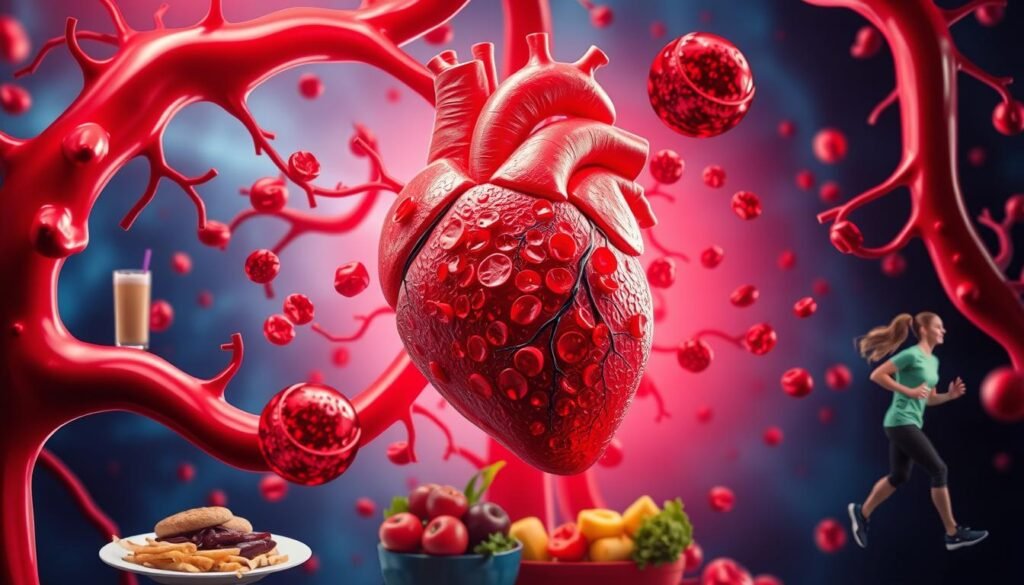
By tackling both genetic and lifestyle issues, you can better manage your cholesterol. This helps lower the chance of serious health problems. Knowing about these factors helps make smart choices for better heart health.
| Factor | Impact on Cholesterol | Associated Risk |
|---|---|---|
| Genetics | Higher likelihood of hyperlipidemia | Increased blood clot risks |
| Poor Diet | Elevated LDL cholesterol | Heart attack or stroke risk |
| Lack of Exercise | Worsening cholesterol levels | Increased plaque buildup |
| Smoking | Increased inflammation | Higher risk of DVT |
| Central Obesity | Abnormal cholesterol levels | Heart disease and stroke risk |
How High LDL Cholesterol Leads to Blood Clots
High LDL cholesterol and blood clots are closely linked by plaque buildup. This high cholesterol leads to plaque forming in arteries, a process called atherosclerosis. Atherosclerosis makes arteries narrow and hard, which hurts their health.
The Mechanism of Plaque Buildup
Plaque starts building when LDL cholesterol sticks to artery walls. This causes inflammation and makes the arteries hard. Over time, plaque buildup slows down blood flow and raises the chance of blood clots. A ruptured plaque triggers clotting, blocking blood flow.
Impact on Arteries and Veins
High LDL cholesterol doesn’t just affect arteries. It also lowers blood flow in veins, raising the risk of heart and peripheral artery disease. This can cause heart attacks or harm limb circulation. It shows why keeping an eye on cholesterol is key.
| Cholesterol Level | Classification | Risk of Blood Clots |
|---|---|---|
| Below 100 mg/dL | Optimal | Low |
| 100 to 129 mg/dL | Near/Above Optimal | Moderate |
| 130 to 159 mg/dL | Bordeline High | Increased |
| 160 to 189 mg/dL | High | Significantly Increased |
| Above 190 mg/dL | Very High | Very High |
Symptoms and Detection of High Cholesterol
High cholesterol often goes unnoticed and is known as “the silent risk.” Many people don’t know they have it until it’s too late. Knowing the symptoms of high cholesterol is key, even though it usually has none. This makes it crucial to get regular check-ups to catch any issues early.
The Silent Risk of High Cholesterol
High cholesterol often has no clear signs. This fact makes detecting high cholesterol a must, especially for those with family history or other risk factors. Without regular screenings, you might miss high cholesterol levels until they cause serious problems.
Importance of Regular Cholesterol Testing
It’s vital to check your cholesterol regularly to keep your heart healthy. These tests look at total cholesterol, LDL, HDL, and triglycerides. The American Heart Association says adults over 20 should get checked every 4 to 6 years. Those at higher risk need checks more often. The cholesterol testing importance is huge because it helps catch issues early and allows for lifestyle changes.
| Cholesterol Measurement | Desirable Level | Borderline High | High Level |
|---|---|---|---|
| Total Cholesterol (mg/dL) | Below 200 | 200-239 | 240 and above |
| LDL Cholesterol (mg/dL) | Less than 100 | 130-159 | 160 and above |
| HDL Cholesterol (mg/dL) | 40 and higher | Below 40 (poor) | N/A |
| Triglycerides (mg/dL) | Below 150 | 150-199 | 200 and above |
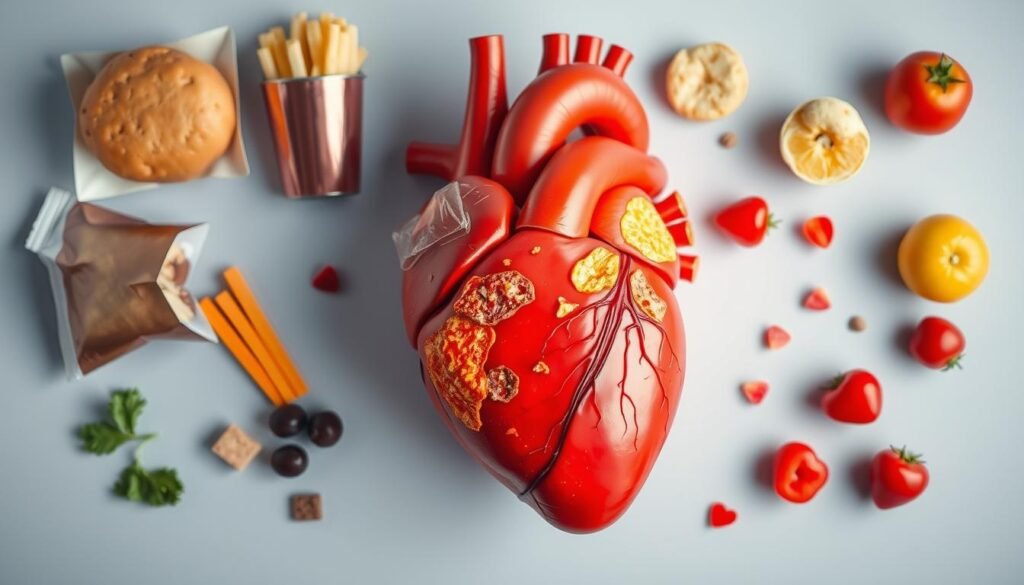
Understanding and keeping an eye on cholesterol levels is key to avoiding dangers like heart disease. Regular check-ups are especially important for those at risk. Learn more about how high cholesterol affects blood clots here.
Effective Lifestyle Changes to Reduce Cholesterol
Making changes in how you live can lower your cholesterol. This keeps your heart healthy. Eating right and staying active help control cholesterol, promoting overall health.
Nutrition: Foods to Include and Avoid
What you eat impacts your cholesterol. Certain foods help lower it. Adding heart-healthy items to your diet is key:
- Oatmeal and whole grains
- Fatty fish like salmon and mackerel
- Nuts, particularly almonds and walnuts
- Fruits and vegetables, which are rich in fiber
- Healthy oils like olive oil
Avoid bad fats and eat less saturated fats. These fats can raise bad cholesterol, increasing heart disease risk. Learn more about nutrition and cholesterol for smarter choices.
Exercise and Weight Management
Being active is key for cholesterol management. Try for 30 minutes of exercise on most days. Walking, biking, or swimming boosts “good” cholesterol. Losing a little weight also lowers bad cholesterol and cuts heart disease risk.
Waist size matters for risk. For men, over 40 inches is worrisome; for women, it’s 35 inches. Changing your lifestyle for better cholesterol levels boosts your health.
Can Medications Lower Blood Clot Risk?
Cholesterol medications are key in managing cholesterol levels. They greatly reduce the risk of blood clots. The most widely used ones are statins, known for lowering LDL cholesterol. This kind of cholesterol can lead to plaque in the arteries.
Overview of Cholesterol-Lowering Medications
For those with high cholesterol or at risk of heart disease, cholesterol medications are crucial. Statins stand out for their dual role. Not just lowering cholesterol, they also affect blood clot risks. They work by blocking cholesterol production in the liver. This action can make plaques in arteries more stable and reduce inflammation. Hence, they could lessen the chances of blood clots forming and guard against conditions like venous thromboembolism.
How Statins Work to Prevent Blood Clots
The link between statins and blood clots is intricate. Research shows that statins have anticoagulant effects through various means, including:
- Lowering tissue factor expression, which is key in clot formation
- Boosting endothelial thrombomodulin, aiding coagulation balance
- Limiting fibrinogen cleavage and cutting down thrombin creation
Studies suggest statins can lower the risk and effects of primary and secondary venous thromboembolism (VTE). They’re found to decrease activation of clotting factors V and XIII. Plus, statins have effects that stop platelets from activating and clustering. This is crucial in reducing the risk of arterial thrombosis and related heart conditions.
While research on statins and VTE prevention is hopeful, more work is needed for a fuller understanding. However, continuing studies stress watching cholesterol levels. They explore how cholesterol medications can help in managing blood clot risks.
| Medication | Main Benefit | Effect on Blood Clots |
|---|---|---|
| Statins | Lowers LDL cholesterol | May reduce VTE and arterial thrombosis |
| Apixaban | Prevents VTE recurrence | Effective anticoagulant properties |
| Dabigatran | Reduces risk of stroke | Helps in VTE prevention |
| Aspirin | Reduces risk of heart attacks | Studied for preventing VTE recurrence |
Long-Term Management of Cholesterol and Blood Clot Risks
Keeping cholesterol levels in check is key for heart health and avoiding blood clots. This means you have to be proactive. It’s about watching your health closely and working with doctors. Putting a long-term plan in place for cholesterol can make you healthier and prevent serious problems.
Monitoring and Regular Health Check-ups
It’s important to check your cholesterol regularly. This helps keep track of any changes and understand your levels. Surprisingly, about one in three Americans haven’t checked their cholesterol in the last five years. Not checking can miss risks, since high cholesterol doesn’t always show signs. If you have heart disease, your LDL should be under 70 mg/dL. Regular checks let you know if you need to change your lifestyle or start medication.
Working with Healthcare Providers for Optimal Care
Working with your healthcare team is crucial for managing cholesterol. Together, you can create a plan that suits you. This plan might include diet, exercise, and possibly statins. Statins help protect your heart and improve your health if you’re at risk. By talking to healthcare experts, you can keep up with your cholesterol levels. They provide advice that fits your health needs.
Conclusion
Knowing how high cholesterol leads to blood clots helps avoid big health issues like heart attacks and strokes. It’s key to control cholesterol with healthy habits, meds, and checking up often. This reduces blood clot chances and boosts heart health.
Heart-friendly habits such as a good diet and regular exercise are vital. It’s also crucial to know your cholesterol numbers. About half of U.S. adults don’t know if they have atherosclerosis, which is concerning.
Taking control of your health greatly lowers the risk of diseases linked to high cholesterol. By carefully managing cholesterol and focusing on wellness, people can protect their health and lessen blood clot risks.