Did you know the FDA banned partially hydrogenated vegetable oils starting January 1, 2021? This ban was because these oils increase cholesterol. Understanding which foods to avoid if you have high cholesterol is vital. This knowledge can help you make better choices. Making these changes can lead to a healthier life.
Key Takeaways
- Knowing how diet affects your cholesterol levels is key.
- Some foods seriously harm cholesterol levels and should be skipped.
- Small diet changes can make a big difference in cholesterol.
- Exercise helps increase “good” cholesterol.
- Processed foods and added sugars are bad for cholesterol and can cause weight gain.
Understanding Cholesterol: What You Need to Know
Cholesterol is crucial for making hormones, vitamins, and cell structures. Knowing about it helps us manage our health. In the U.S., 94 million adults have high cholesterol, raising their risk of heart disease and stroke. It’s important to know the difference between good (HDL) and bad (LDL) cholesterol.
Animal products are the main source of dietary cholesterol. Eating too much saturated and trans fats leads to high LDL cholesterol. To keep cholesterol levels healthy, limit saturated fats to 5%-6% of daily calories and avoid trans fats in fast food and baked goods.
Healthy meals should include various foods like fruits, vegetables, grains, proteins, and dairy or alternatives. Eating snacks low in saturated fat, sugar, and salt is good for health. Be aware of low-fat snacks; they may have added sugars.
Eating fish at least twice a week and using healthy oils can help manage cholesterol. Choose to bake, broil, or steam instead of frying. Use applesauce or vegetable stock as healthier cooking substitutes.
Use herbs and spices for flavor to avoid butter or salt. Olive oil and vinegar in dressings are healthier choices. The Mediterranean Diet might be better for cholesterol than the TLC diet.
The National Heart, Lung, and Blood Institute suggests getting your cholesterol checked early. Start tests between 9 and 11 years old, then every five years. Adults 45 to 65 should have checks every 1 to 2 years. Those over 65 need yearly tests.
High cholesterol can come from a bad diet, obesity, not exercising, and aging. Exercise raises good cholesterol (HDL), balancing out bad LDL. To improve health, maintain a healthy weight, eat lots of fruits and veggies, exercise regularly, quit smoking, and manage stress.
Why is High Cholesterol Dangerous?
High cholesterol poses significant health risks. It goes beyond just bad lab results. High levels of “bad” cholesterol, or LDL, cause harmful buildup in arteries.
This buildup leads to a condition called atherosclerosis. It makes blood vessels narrow and reduces blood flow. As a result, the risk of heart disease greatly increases.
94 million American adults have high cholesterol. This emphasizes the urgent need for awareness and action. According to Dr. Romit Bhattacharya from Massachusetts General Hospital, managing cholesterol takes effort, especially with diet. Choosing a healthier lifestyle can lower cholesterol risks.
High cholesterol isn’t just linked to heart disease. It also raises the chances of heart attacks and strokes. Understanding this helps prioritize heart health. Regular cholesterol check-ups are vital since high cholesterol often has no symptoms. Without symptoms, the risks can go unnoticed until it’s too late, highlighting the importance of prevention.
| Cholesterol Type | Function | Health Impact |
|---|---|---|
| LDL (Bad Cholesterol) | Transports cholesterol to cells | Can lead to atherosclerosis and heart disease |
| HDL (Good Cholesterol) | Helps remove cholesterol from the bloodstream | Reduces the risk of heart disease |
Being aware of high cholesterol risks can motivate healthier choices. Informed dietary changes can protect against heart disease, atherosclerosis, and other heart issues.
Does High Cholesterol Cause Symptoms?
Most of the time, high cholesterol doesn’t show any clear signs. People don’t usually know they have it until something major, like a heart attack or stroke, happens. This makes it tough to spot early on. That’s why getting your cholesterol checked regularly is key.
Some folks might notice minor signs that could point to high cholesterol. For example, men might have issues with erectile dysfunction, which can suggest cholesterol problems. However, most people don’t realize they have high cholesterol until they’re hit with major health issues.
The CDC suggests getting your cholesterol checked every 4 to 6 years. It’s an important part of staying on top of your health. Looking at habits, like smoking, not exercising, and eating poorly, can help spot high cholesterol too. These factors play a big role in pushing cholesterol levels up.
Healthy Cholesterol Levels: Types of Cholesterol and Why They Matter
It’s important to know about cholesterol for keeping it healthy. There are two main types: LDL (low-density lipoprotein) and HDL (high-density lipoprotein). LDL is often called “bad” cholesterol because it can build up in arteries, raising the risk of heart disease. HDL, on the other hand, is “good” cholesterol. It helps to move cholesterol away from the arteries to the liver, where it’s broken down.
Did you know heart disease is the top cause of death in the United States? About 20% of people have high levels of lipoprotein (a), and levels above 125 are seen as high. Doctors often prescribe statins to lower LDL. New drugs, like olezarsen, are also showing promise in reducing triglycerides significantly. Regular checks of cholesterol levels are crucial since high LDL and triglycerides increase the risk of heart attacks and strokes, even if HDL levels are good.
Understanding HDL and LDL cholesterol can lead to better health goals. Aiming for healthy levels of both can keep your cholesterol in check. This reduces the chance of facing serious health issues.
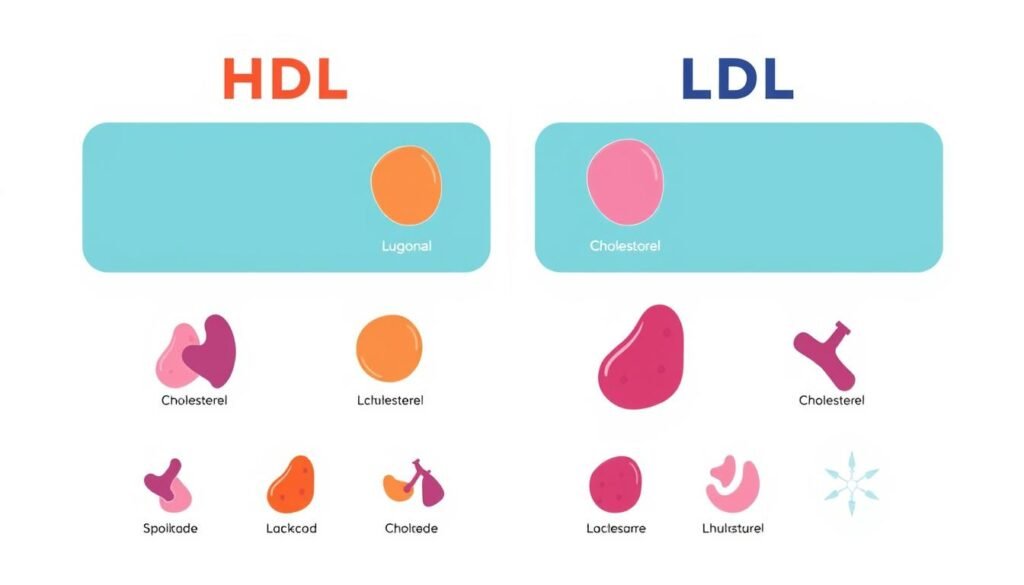
| Cholesterol Type | Common Name | Impact on Health |
|---|---|---|
| LDL | Bad Cholesterol | Promotes plaque buildup, increasing heart disease risk |
| HDL | Good Cholesterol | Helps remove cholesterol from arteries, lowering heart disease risk |
| Triglycerides | Fat in Blood | High levels can increase heart attack and stroke risks |
What Are the Worst Foods for High Cholesterol?
Knowing which foods are bad for cholesterol is key. Many items in a high cholesterol diet can hurt your heart health. They have lots of saturated and trans fats. Avoiding these foods helps control cholesterol and lowers heart risks.
Processed meats like bacon and hot dogs are very bad. The World Health Organization says they can cause cancer. They also increase cholesterol levels. Beef liver and other red meats are also not good. They can lead to too much cholesterol.
Stay away from full-fat dairy products such as whole milk and butter. They have more saturated fats than low-fat versions. This can raise your cholesterol. Instead of butter, using margarine from vegetable oils can help lower bad cholesterol.
Fried foods are a problem too. Frying adds unhealthy fats, making them high in calories and bad for cholesterol. This includes some energy bars that seem healthy but aren’t.
| Food Item | Cholesterol Content (mg per serving) |
|---|---|
| Shrimp | 190 |
| Beef Liver | 400 |
| Butter | 31 (per tablespoon) |
| Duck | 76 (per serving) |
| Fried Chicken | 70 (per piece) |
| Energy Bars (containing palm oil) | Varies |
It’s critical to eat heart-healthy foods to keep cholesterol in check. Avoiding the foods mentioned above is important. Also, choose alternatives that support good health.
Food to Avoid if You Have High Cholesterol
Minding what you eat is key when you have high cholesterol. Foods like processed items, saturated fats, and trans fats can raise cholesterol. They increase the risk of heart disease. Learning about these can help manage your health better.
Processed Foods: The Hidden Culprit
Processed foods have unhealthy extras like added fats and sugars. These foods don’t offer the nutrients you need and can boost your cholesterol. Snacks and fast foods often contain lots of salt and fats. They are foods to avoid if you have high cholesterol. Spotting these can lead to healthier eating habits.
Foods High in Saturated Fats
Saturated fat mostly comes from animal products, such as fatty meats and full-fat dairy. Eating these often can push up your cholesterol. Choosing lean meats or plant proteins can protect your heart. The American Heart Association suggests keeping saturated fats below 6% of your daily calories.
Trans Fats and Their Impact on Cholesterol Levels
Trans fats, found in many baked and fried foods, harm your cholesterol balance. They raise the bad (LDL) cholesterol and lower the good (HDL) cholesterol. Avoiding foods rich in trans fats is crucial. It’s wise to choose products without trans fats, fostering healthier cholesterol levels.
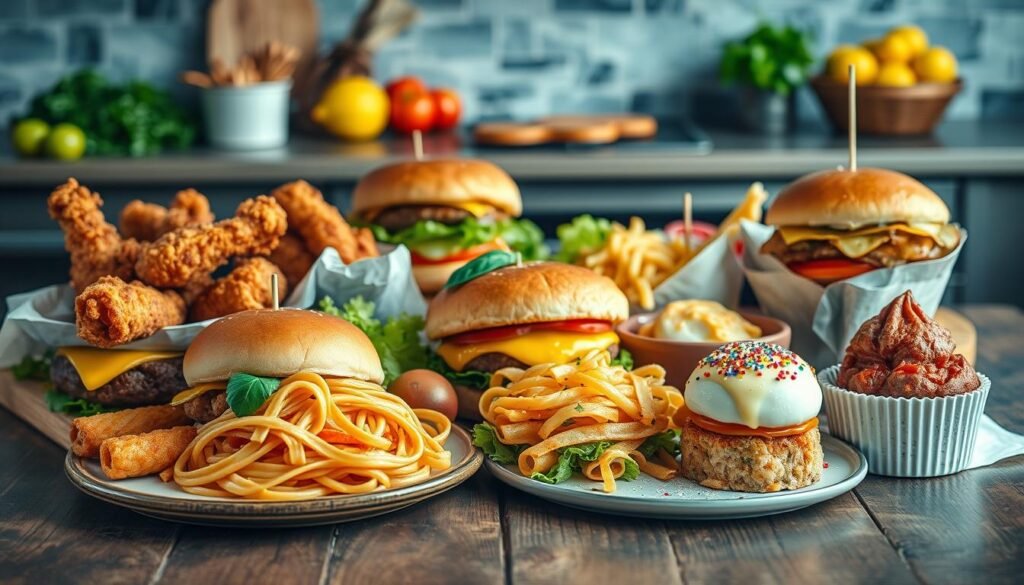
Learning about these food categories is critical for your diet. Choosing whole, unprocessed foods helps manage cholesterol. For tips on foods to sidestep for heart health, visit this resource.
Cholesterol Management: Making Smart Dietary Choices
Managing cholesterol is about eating smart for your heart. Changing what you eat can really help your cholesterol levels and make you feel better. It’s about adding in good stuff like fruits, veggies, grains, and lean meats. This cuts down bad fats we get from foods that aren’t so good for our cholesterol.
Learning what foods are best can give you power over your cholesterol. The American Heart Association says to eat more fish, poultry, and plants for protein. Choose meats that are lean like “round,” “loin,” or “sirloin” cuts. Eating seafood with omega-3 fats can also keep your heart running well.
How you cook matters too. Swap solid fats for liquid oils like canola or olive oil for healthier eating. Cook veggies lightly in a bit of oil or spray to keep their good stuff. Try using fruit or veggie purees to replace oil when you bake. It’s a fun way to eat better and cut fat.
Fiber in your diet is super important. Load up on foods like whole grain bread, brown rice, and lots of veggies. These foods help keep your cholesterol in check and your heart happy. Making these changes is key if you want to manage your cholesterol well.
For more tips on eating to lower cholesterol, check out this helpful article.
| Food Type | Recommendations | Benefits |
|---|---|---|
| Fruits and Vegetables | Include a variety and make half the plate consist of these | Rich in fiber, vitamins, and minerals, supporting heart health |
| Whole Grains | Prioritize brown rice and whole grain pasta | High in fiber; helps improve cholesterol levels |
| Lean Proteins | Choose fish, poultry, and legumes | Lower in saturated fat, beneficial for cholesterol management |
| Healthy Fats | Use liquid oils instead of solid fats | Reduces bad cholesterol levels and promotes heart health |
| Dairy | Opt for low-fat or fat-free versions | Maintains nutritional value with reduced saturated fat |
Cholesterol-Lowering Foods: What to Include in Your Diet
Adding foods to your diet that lower cholesterol is key to keeping your heart healthy. It’s important to pick heart-healthy foods. Knowing which foods are best for heart health helps you make smart choices.
Heart-Healthy Eating: A Guide to Better Choices
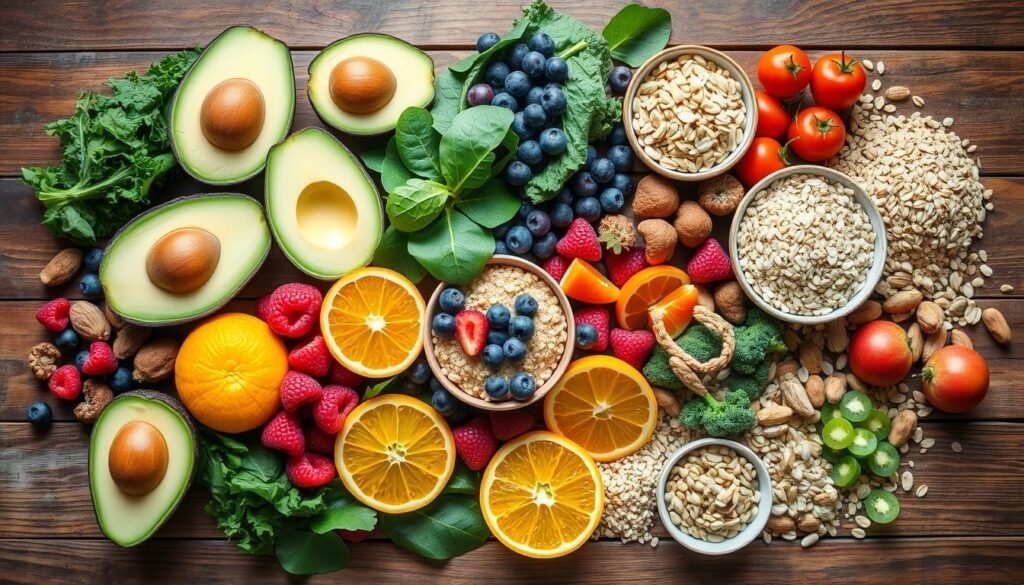
Eat more soluble fiber foods like oats, beans, and various fruits to lower LDL cholesterol. Lean meats such as chicken and turkey, plus fish rich in omega-3s, are good too. Learning about heart-healthy choices that use natural ingredients is great for lasting health.
Healthy Fats: The Good vs. The Bad
It’s important to understand healthy fats for cholesterol control. Foods with unsaturated fats, such as avocados, olive oil, and nuts, help. They raise good HDL and lower bad LDL cholesterol. On the other hand, avoid saturated and trans fats in processed and red meats, and certain dairy products. They’re bad for the heart. Choosing the right fats, along with other cholesterol-lowering foods, is crucial.
| Food Category | Healthy Options | Unhealthy Options |
|---|---|---|
| Fats | Olive oil, avocados, nuts | Butter, trans fats |
| Proteins | Salmon, chicken, tofu | Processed meats, fatty cuts of beef |
| Grains | Oats, quinoa, whole grains | Refined grains |
| Fruits & Vegetables | Apples, berries, leafy greens | None |
Creating a Heart-Healthy Grocery List
Creating a heart-healthy grocery list can help manage cholesterol levels effectively. It’s vital to fill your cart with fresh produce, whole grains, lean proteins, and healthy fats. Stay away from aisles that carry processed, high-sodium, or sugary foods to make smart shopping choices for your heart.
Here are some items you should consider for a heart-healthy grocery list:
- Fruits and Vegetables: Aim for a mix of fresh, frozen, canned, or dried options. They’re packed with essential nutrients and fiber that support heart health.
- Whole Grains: Go for whole-wheat bread, pasta, and cereals. These give more fiber than
High Cholesterol Treatments: What You Should Know
Many in the U.S. struggle with high cholesterol. Knowing your cholesterol numbers is the first step in managing it. You should keep your total cholesterol around 150 mg/dL. LDL cholesterol, the “bad” kind, should stay below 100 mg/dL. For HDL or “good” cholesterol, men need at least 40 mg/dL and women 50 mg/dL. It’s also key to keep triglycerides under 150 mg/dL.
Having total cholesterol over 200 mg/dL means you have high cholesterol. This condition can lead to plaque buildup in arteries, increasing the risk of heart diseases and stroke. These are among the top causes of death in the U.S. Yet, only a third of people with high LDL effectively manage their condition.
To control cholesterol levels, lifestyle changes and medication are usually suggested. Key steps include:
- Choosing a heart-healthy diet low in bad fats
- Doing at least 30 minutes of exercise most days
- Managing weight—a 5 to 10 percent loss can cut heart risk significantly
Doctors may prescribe medications like statins, cholesterol absorption inhibitors, and PCSK9 inhibitors. Statins are well-known for their effectiveness. PCSK9 inhibitors are especially useful for inherited high cholesterol cases.
Getting your cholesterol checked regularly is vital. The American Heart Association advises a test every five years for those over 20. A coronary artery calcium scan can offer deeper insights for those at risk.
To keep cholesterol in check, taking action is crucial. Work with healthcare providers to customize your treatment. This should combine diet, exercise, and medical treatments for the best results.
Conclusion
It’s key to manage high cholesterol for heart health. This can cut the risk of heart disease. Heart disease is a big problem, taking about 610,000 lives in the U.S. every year. This data comes from the CDC.
Avoiding foods high in bad fats is one step. Knowing what to eat helps us live healthier.
Eating right and staying active can lower “bad” LDL cholesterol. It can also raise “good” HDL cholesterol. Regular check-ups and smart eating are important to avoid high cholesterol.
Starting good habits now leads to a healthier future. Caring for your heart boosts life quality. With good food and activity, we feel better overall.