About 94 million American adults have high cholesterol. This information comes from the Centers for Disease Control and Prevention (CDC). Knowing which high cholesterol foods are bad is very important. It helps prevent heart disease and stroke and improves health overall.
This piece is a full guide on high cholesterol foods. It provides a detailed list of high cholesterol foods. You’ll learn which foods are high in cholesterol and which ones you can have sometimes. The information here will guide you to make better food choices.
Learning about foods high in cholesterol helps understand your eating habits. This knowledge can lead to better cholesterol management.
Key Takeaways
- High cholesterol affects millions of Americans, increasing the risk of cardiovascular diseases.
- Many people don’t know they have high cholesterol because there are often no symptoms.
- Diet is key to managing cholesterol levels well.
- Certain foods can be good for you even if they are high in cholesterol.
- Making changes to what you eat can improve cholesterol levels in just 3-6 months.
Introduction to Cholesterol
Cholesterol is a waxy substance found in our blood, which is very important for our bodies. It helps make hormones, vitamin D, and things that help us digest food. However, having too much cholesterol is risky. About 94 million American adults have high cholesterol, says the CDC. This condition can lead to serious health problems.
To handle cholesterol well, we need to understand its levels. High cholesterol usually comes from eating foods with lots of saturated and trans fats. These foods raise LDL, the “bad” cholesterol, causing plaque to build up in arteries. Yet, HDL, the “good” cholesterol, helps clear cholesterol from the blood.
Eating a balanced diet is key to keeping cholesterol at a healthy level. We should eat plenty of fruits, vegetables, whole grains, and lean proteins. By choosing foods that help lower cholesterol, we improve our heart health and our overall well-being.
Understanding Cholesterol and Its Importance
Cholesterol is key for our body, helping with various functions. It is made in the liver and also comes from food. We mainly find it in animal products. Knowing about its two types is important: “good” cholesterol (HDL) and “bad” cholesterol (LDL).
It’s vital to keep cholesterol at healthy levels. Checking it regularly helps manage it well. Those at risk for heart issues should limit cholesterol to 200 milligrams daily. Others may go up to 300 milligrams.
Certain foods have more cholesterol. For example, an egg has 212 mg. Cheddar cheese offers 30 mg per ounce. Liver, especially chicken liver, is very high in cholesterol, with 631 mg per 3 ½ oz serving. This shows the need to choose what we eat carefully.
Keeping a balanced diet is key. Foods like fish and plants with sterols help control cholesterol. It’s best to eat fish twice a week to reduce triglycerides. Also, using good fats instead of saturated fats helps your heart stay healthy.
Why High Cholesterol Is Dangerous
High cholesterol is a big problem because it is linked with heart issues. It causes fatty deposits to build up in arteries. This makes it hard for blood to flow and raises the risk of heart disease and strokes. These problems don’t always show clear signs, so regular check-ups are key.
What we eat only slightly affects our cholesterol levels, about 20% to 30%. Cholesterol mainly comes from animal foods, especially those with lots of saturated and trans fats. To avoid high cholesterol dangers, eat less than 5% to 6% of your daily calories from saturated fat.
Eating foods high in trans fats, like fast food and baked goods, is really bad. These fats increase bad cholesterol and decrease good cholesterol. This ups the chances of getting heart disease. Eating lots of fruits, veggies, whole grains, lean proteins, and healthy fats is crucial.
Add soluble fiber to your meals to reduce bad cholesterol, aiming for 10 to 25 grams a day. Cooking in ways that lower saturated fat, like grilling instead of frying, is also a big help.
| Type of Fat | Impact on Cholesterol |
|---|---|
| Saturated fat | May increase LDL cholesterol levels |
| Trans fat | Increases LDL cholesterol and decreases HDL cholesterol |
| Unsaturated fat | Can improve cholesterol levels |
Knowing why high cholesterol is bad shows why it’s important to watch it and eat right. Smart eating can really cut your cholesterol risks and help your heart stay healthy for a long time.
Common Symptoms of High Cholesterol
Finding high cholesterol symptoms can be tough, as many don’t show clear signs. The best way to spot high levels is through regular cholesterol tests. These tests check LDL, HDL, and triglycerides, helping to understand heart health better.
Some signs of high cholesterol come from its complications. For example, erectile dysfunction might happen from less blood flow caused by artery plaque. High blood pressure and peripheral artery disease are also possible, showing why regular checks are important.
Kids should have their first cholesterol test between 9 and 11 years old. Then, they need a check-up every five years. Adults have different screening times. Men between 45 and 65 and women of the same age should test every one to two years. Anyone over 65 should get yearly screenings to watch their cholesterol.
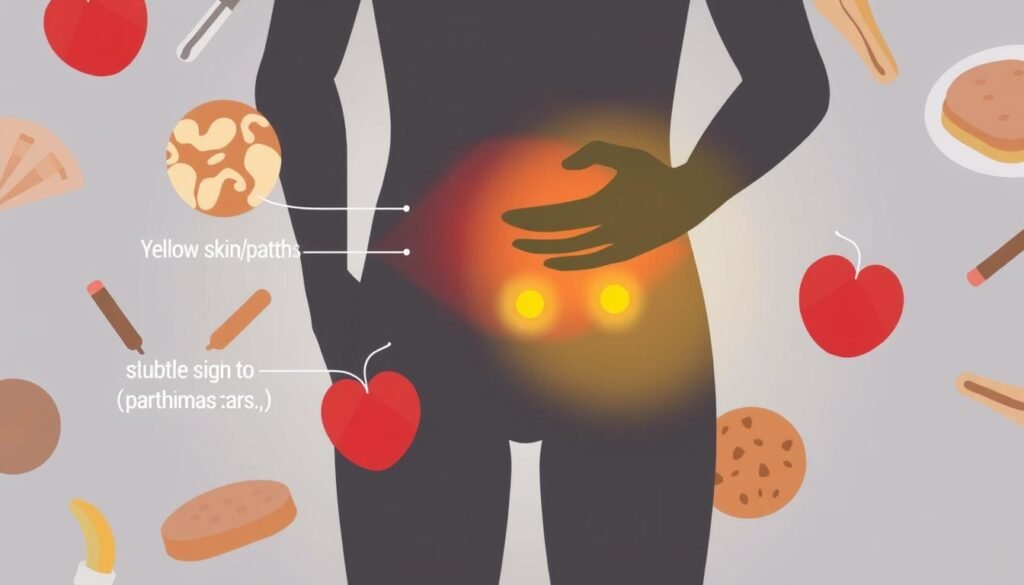
Lifestyle choices like bad eating habits, not exercising, smoking, and too much alcohol can raise cholesterol. Making better choices can greatly improve cholesterol levels and health. Knowing the signs of high cholesterol and getting tested regularly are key to avoiding heart disease and strokes.
What Are the Worst Foods for High Cholesterol?
High cholesterol can severely impact your health, especially heart health. Knowing the worst foods for high cholesterol helps you choose better. Saturated fats, trans fats, and refined sugars contribute a lot to bad cholesterol levels.
Fried items and fast food are big cholesterol-raising foods. The top ones to avoid include:
- Butter and lard, with lots of saturated fats
- Tropical oils, such as coconut and palm oil
- Snacks like cakes and cookies
- Cured meats
- Red meats, like duck and goose, richer in cholesterol than poultry
- Fried foods and fast-food choices
- Sweet drinks
Shrimp has about 190 milligrams of cholesterol per serving, showing some seafood also ups cholesterol. And, unhealthy foods including granola and energy bars often have a lot of saturated fats from tropical oils like palm oil.
The next table shows the cholesterol in some common foods:
| Food Item | Cholesterol (mg per serving) |
|---|---|
| Butter (1 tbsp) | 31 |
| Ghee (1 tbsp) | 33 |
| Shrimp (3 oz) | 190 |
| Duck (1 cup) | 113 |
| Chicken (1 cup) | 113 |
| Granola (1 cup) | Varies significantly |
Cooking methods matter too. Using steaming, baking, or air fryers helps lower the bad impact of cholesterol-heavy foods. Staying informed and making smart eating choices is key to controlling cholesterol.
High Cholesterol Foods to Limit
It’s important to watch your cholesterol for good health. You should limit foods high in cholesterol in your diet. This includes things like butter, full-fat dairy, and fatty meats.
Saturated fats, sugars, refined starches, and trans fats can raise your cholesterol. Knowing foods to avoid with high cholesterol helps you make better food choices. Focus on avoiding these types of foods:
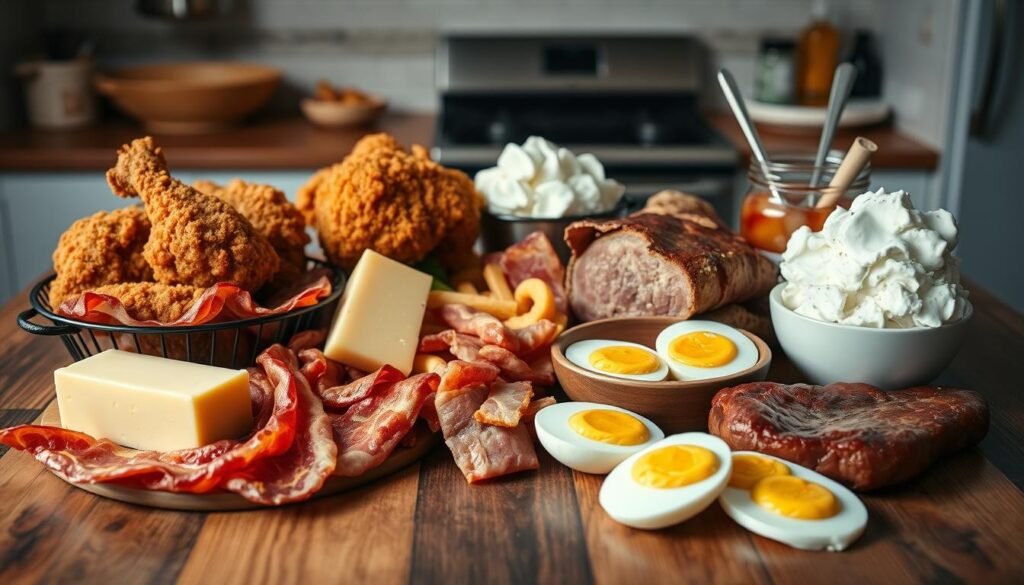
- Full-fat dairy products like cheese, cream, and whole milk.
- Fried and fast foods full of unhealthy fats.
- Processed meats such as sausage, bacon, and deli meats.
- High-sugar snacks and desserts that can increase cholesterol.
Limiting these foods can help control your cholesterol levels. The American Heart Association suggests eating less red and processed meats. Choosing healthier options can lower your cholesterol.
Here’s a table that shows foods to limit and healthier choices:
| Foods High in Cholesterol to Limit | Healthier Alternatives |
|---|---|
| Butter | Olive oil or avocado oil |
| Full-fat dairy products | Low-fat or plant-based alternatives |
| Fatty cuts of meat | Lean meats like chicken or turkey |
| Processed meats (bacon, sausage) | Plant-based proteins (tofu, beans) |
| Snack foods high in sugar | Fruits or whole grains |
Foods High in Cholesterol That Can Be Beneficial
Cholesterol often worries people, yet some high-cholesterol foods offer health perks. We need to know which cholesterol-rich foods are good and which could harm our hearts. Let’s look into some foods rich in cholesterol that help keep our health in check.
Eggs: A Nutritional Powerhouse
Eggs are a top-notch source of protein and are known for their cholesterol. But eating eggs in moderation seems to be okay for heart health in most folks. Eggs also pack nutrients that boost good cholesterol levels, keeping the heart healthy.
Full-Fat Dairy: Learning the Balance
Yogurt, cheese, and butter are full of full-fat dairy benefits when eaten wisely. These foods have calcium and vitamin D which are good for the heart. Some studies show these dairy products might not be bad for cholesterol and may even help the heart.
Seafood: The Benefits of Shellfish
Adding seafood like shellfish to meals offers many seafood health benefits. Although shrimp and crab have a lot of cholesterol, they’re low in bad fat. They’re rich in vitamins and minerals, diversifying your diet. Eating fatty fish also helps with cholesterol balance, enhancing its perks.
| Food Type | Cholesterol Content (mg) | Full-Fat Dairy Benefits | Seafood Health Benefits |
|---|---|---|---|
| Eggs (per egg) | 186 | Protein, Vitamins A & D | N/A |
| Whole Milk (per cup) | 24 | Calcium, Vitamin D | N/A |
| Shrimp (per 100g) | 195 | N/A | Omega-3 Fatty Acids, Selenium |
| Salmon (per 100g) | 63 | N/A | Omega-3 Fatty Acids, Protein |
Cholesterol-Rich Foods: A Closer Look
It’s vital to know the cholesterol in meats and organ meats for smart eating. These foods have lots of cholesterol but can be good for you if eaten right.
Meat and Organ Meats
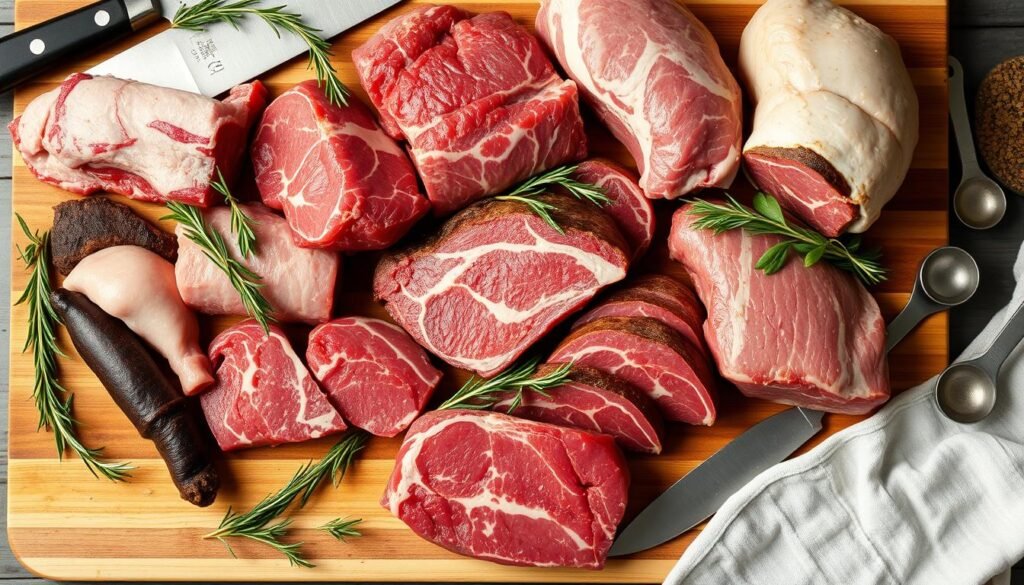
Meats and organ meats are full of good nutrients. Beef liver, for example, has about 389 mg of cholesterol per 100 grams. It’s also rich in vitamin A, B12, and iron. Lamb kidneys have around 565 mg of cholesterol and are packed with vitamin B12 and selenium.
Organ meats have lots of protein and vitamins, but you shouldn’t eat too much. Choosing meats from animals raised on pastures might be healthier than those raised conventionally.
Processed Foods and Their Impact
Processed foods can be harmful because of their high cholesterol and low nutrient content. Snacks and prepared meals might raise your bad cholesterol (LDL). These foods can lead to chronic illnesses and are often full of unhealthy fats and additives.
Knowing which foods are high in cholesterol is key, especially processed ones, and how they affect heart health. For tips on lowering cholesterol, learn more about foods to avoid or find out about healthy food choices.
| Food Item | Cholesterol (mg per 100g) | Notable Nutrients |
|---|---|---|
| Beef Liver | 389 | Vitamin A, B12, Iron |
| Lamb Kidneys | 565 | B12, Selenium |
| Shrimp | 211 | Protein, B12, Choline |
| Sardines | 142 | Vitamin D, Calcium |
Understanding the cholesterol in meats and their benefits helps make a diet healthier. Knowing the risks of processed foods can lead to better eating habits and improved health.
List of High Cholesterol Foods to Avoid
Keeping your cholesterol levels healthy is key to feeling good. It’s important to know which foods are bad for cholesterol. Foods that are bad for cholesterol include things like some snacks and fast food, which can really increase cholesterol and risk to health.
Try to eat less of these foods:
- Fried Foods: They’re often made in oils full of bad fats, raising cholesterol.
- Fast Food: These foods have lots of fats that are not good for you, leading to higher cholesterol and more weight.
- Processed Meats: Foods like bacon and hot dogs have a lot of saturated fat and cholesterol. They should be avoided.
- Sugary Desserts: They can make you gain weight and indirectly increase cholesterol because of the sugar and bad fats.
Choosing healthier food is key to avoid high cholesterol. A balanced diet with plenty of fruits, veggies, beans, and grains is best. For tips on keeping cholesterol in check, you can look at advice from the CDC.
Always look at food labels to know what you’re eating. Being careful about the fat you eat every day is essential. By avoiding foods high in cholesterol, you can keep your heart healthy and lower the risk of heart problems.
| Food Category | High in | Health Risks |
|---|---|---|
| Fried Foods | Saturated & Trans Fats | Heart Disease |
| Fast Food | Saturated Fats | Obesity, High Cholesterol |
| Processed Meats | Saturated Fats | Increased Cholesterol Levels |
| Sugary Desserts | Sugar & Unhealthy Fats | Weight Gain, Metabolic Issues |
Healthy Ways to Manage High Cholesterol
Keeping cholesterol in check is key for heart health. Many Americans have more cholesterol than they need, leading to health problems. It’s important to eat right to keep cholesterol levels healthy. Cutting back on saturated fats helps since they turn into cholesterol in our bodies. Try not to eat more than 2 grams of saturated fat in a meal.
Choosing fat-free dairy or alternatives helps manage cholesterol. Full-fat dairy adds too much saturated fat to our diet. Eating fish with omega-3s or plant proteins instead of red meat also helps control cholesterol. Adding foods rich in fiber, like green veggies, sweet potatoes, whole grains, and berries, stops cholesterol from being absorbed and keeps you full.
The following table summarizes key dietary recommendations for healthy cholesterol management:
| Food Group | Recommendations |
|---|---|
| Saturated Fat | Aim for less than 7% of daily caloric intake; limit to 2 grams per serving. |
| Cholesterol | Limit intake to less than 200 mg per day. |
| Soluble Fiber | Consume between 10 to 25 grams daily. |
| Plant Stanols/Sterols | Aim for a daily intake of 2 grams. |
| Fish Intake | Consume fish high in omega-3 fatty acids at least two times a week. |
| Sodium | Limit intake to no more than 2,300 milligrams per day. |
| Alcohol | Men: up to 2 drinks; Women: 1 drink per day. |
Aside from what you eat, drink lots of water, keep track of your food, and use small plates to control portions. It’s important to focus on what’s on your plate. Choose lean proteins, veggies that aren’t starchy, whole grains, and healthy fats. Making these changes can improve cholesterol levels and health overall.
Conclusion
Knowing about high cholesterol foods is key to a heart-healthy life. Foods like eggs and full-fat dairy have benefits if eaten in moderation. But, be careful with foods high in saturated fats and cholesterol.
For good cholesterol management, eat a balanced diet with fruits, veggies, whole grains, and lean proteins. This helps keep cholesterol levels in check and boosts overall health.
Regular health checks help spot and manage high LDL cholesterol. The 2019 American Heart Association suggests keeping dietary cholesterol low. Choosing healthier cooking methods and making smart food choices are important for heart health.
A lifestyle with a good diet and regular exercise makes a big difference. Being aware of what you eat and its effects helps you live a better, healthier life.