About 71 million Americans live with high cholesterol. This puts them at a higher risk for heart disease. The link between high cholesterol and heart disease is complex and often misunderstood. It’s not just about good or bad cholesterol. Many factors play a role in cardiovascular health. This article will explore cholesterol management, the effects of different types, and debunk common myths. We aim to clear up confusion with latest studies and expert opinions. You’ll learn how cholesterol impacts heart health and why regular checks are key.
Key Takeaways
- It’s crucial to get your cholesterol checked every five years.
- People with familial hypercholesterolemia might need checks more often.
- Making changes in diet and exercise can help control your cholesterol.
- Eating unsaturated fats is one way to keep cholesterol levels down.
- Knowing the difference between LDL and HDL cholesterol is important for your heart.
- Recent guidelines focus on cholesterol management to prevent heart disease.
- For tips on understanding cholesterol ratios better, check out this guide.
Understanding Cholesterol: A Basic Overview
Cholesterol is crucial for our bodies, even if it gets a bad rap. It’s a waxy substance in every cell that helps make hormones, vitamin D, and substances for digestion. Knowing about cholesterol can help you stay healthy.
What is Cholesterol?
Cholesterol is essential for our bodies. It moves in the blood as particles called lipoproteins. There are different kinds, such as LDL and HDL cholesterol. Keeping an eye on these levels can tell us a lot about our heart health.
Different Types of Cholesterol: LDL vs. HDL
There are two main types of cholesterol. LDL is often called “bad” cholesterol, and HDL is known as “good” cholesterol. It’s important to keep these levels in a healthy range. Here’s a comparison of them:
| Type of Cholesterol | Common Name | Optimal Levels | Function |
|---|---|---|---|
| LDL | Bad Cholesterol | Less than 100 mg/dL | Can lead to plaque buildup in arteries |
| HDL | Good Cholesterol | At least 40 mg/dL (men), 50 mg/dL (women) | Helps transport LDL cholesterol back to the liver |
The Role of Cholesterol in the Body
Cholesterol serves many purposes. It’s needed for the structure of cell membranes, making hormones, and creating vitamin D. If cholesterol levels are too high or too low, it might lead to heart disease or stroke. So, understanding and managing cholesterol is key for our health.
High Cholesterol: A Major Health Concern
High cholesterol is a big problem in public health, especially in the United States. It impacts millions of people and is strongly linked to serious health issues like heart disease. It’s crucial to understand this problem to improve health overall and push for preventive actions.
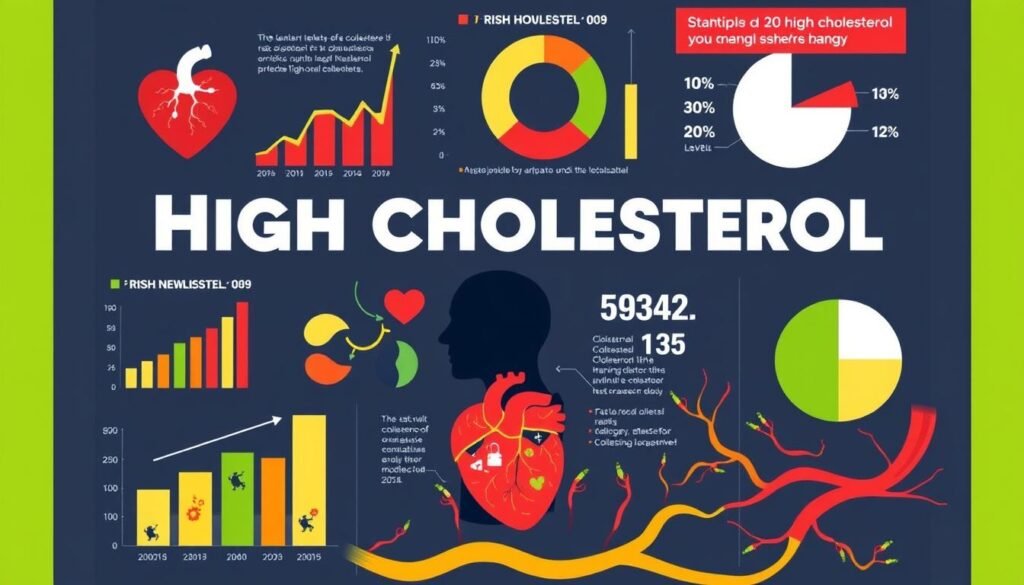
Statistics on High Cholesterol in America
Nearly 94 million American adults over 20 have high cholesterol levels, as reported by the CDC. This condition often stems from genetics, meaning it can run in families. High-risk individuals for heart attacks or strokes are usually advised to take statin drugs.
Lifestyle choices, like drinking alcohol, can increase cholesterol levels. This makes managing the condition more complicated.
Health Risks Associated with High Cholesterol Levels
High cholesterol comes with many health risks. It often goes hand in hand with high blood pressure, raising the danger of heart attacks and strokes. Triglyceride levels, which diet affects, are linked with cholesterol levels and bring added risks.
Some people look into supplements, like red yeast rice, for cholesterol control. But these don’t have FDA approval or proven safety studies. High cholesterol can result in serious heart diseases. This emphasizes how important it is to be aware and take action.
The Link Between Cholesterol and Heart Disease
Cholesterol is important for your health, but it has a complex link with heart disease. By understanding this relationship, we learn about arterial plaque. This plaque can cause major health issues.
How Cholesterol Affects Cardiovascular Health
“Bad” cholesterol, or LDL, affects heart health. High LDL levels up the risk for heart disease. This is because it can lead to atherosclerosis. That’s when plaque builds up in the blood vessels.
Blocked arteries increase the chance of heart attacks. Such events are severe and life-threatening.
Understanding Plaque Buildup in Arteries
Plaque in arteries is made of cholesterol and fat. It plays a big role in heart disease. As plaque builds up, it can limit blood flow and oxygen to the heart.
This situation shows why keeping cholesterol in check is key. Lowering LDL cholesterol cuts the risk of dying from heart disease. Managing your cholesterol is very important.
Cholesterol Myths: Myths vs. Facts
Many folks misunderstand cholesterol and its effects on health. This confusion impacts how we manage and think about heart health. Knowing the truth can change how we deal with cholesterol.
Myth: All Cholesterol is Bad
Some think all cholesterol harms us. But not all types work the same way. LDL cholesterol can lead to heart issues. Yet, HDL cholesterol actually removes LDL from our arteries. This makes HDL quite helpful for lowering heart disease risks.
Knowing the differences between cholesterol types sheds light on this myth.
Fact: The Importance of HDL Cholesterol
Not every cholesterol type is a threat. HDL cholesterol is known as the “good” kind. It cleans out artery-blocking fats to protect our hearts. Keeping HDL levels high, at 60 mg/dL or more, helps us stay heart-healthy.
Myth: High Cholesterol Has Warning Signs
It’s shocking, but high cholesterol doesn’t always signal trouble ahead. This is why getting your cholesterol checked regularly is key, even if you feel okay. Catching high levels early means we can act before our hearts suffer.
Assessing Heart Disease Risk Factors
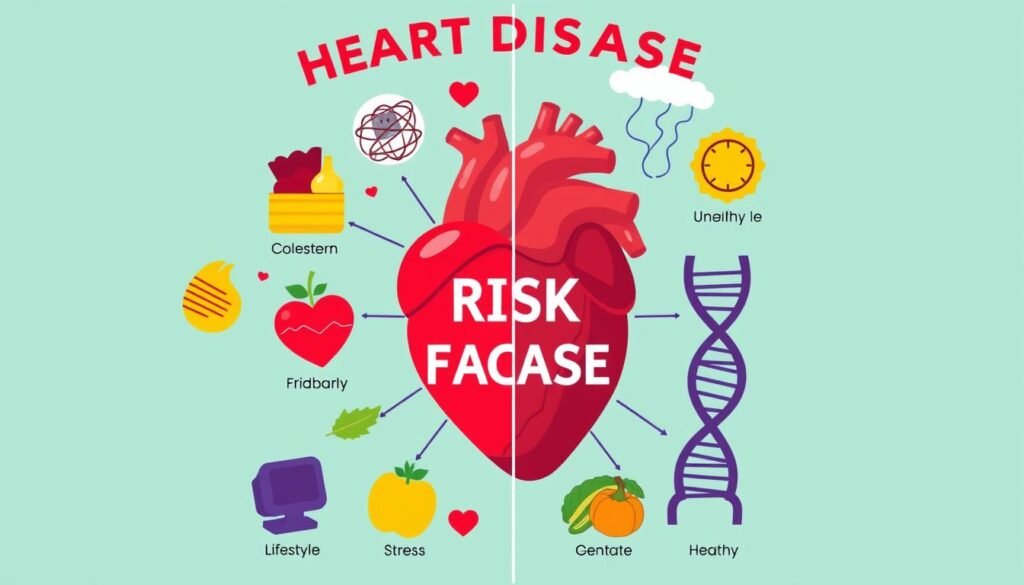
It’s essential to know what makes heart disease more likely. Factors like cholesterol levels, how we live, and our family history matter a lot. Regular checks are needed, especially for genetics and cholesterol.
Identifying Key Risk Factors for Heart Disease
Certain conditions and habits increase the risk of heart problems. These risk factors include:
- High cholesterol levels
- High blood pressure
- Smoking and tobacco use
- Obesity
- Type 2 diabetes
- Excessive alcohol consumption
As people get older, cholesterol and triglyceride levels usually go up. Situations like preeclampsia or early menopause also play a role. The American Heart Association says adults should check their cholesterol every four to six years for early detection.
The Role of Genetics in Cholesterol Levels
Genetics can heavily influence cholesterol levels and heart disease risk. People with familial hypercholesterolemia (FH) inherit high cholesterol. This often leads to early artery plaque and higher risk as people age.
Knowing your family and personal health history is key. Starting at 20, keeping an eye on cholesterol and fixing any issues is critical. For more info, check out cholesterol myths and how to manage LDL levels at LDL management techniques.
Cholesterol Research: What the Studies Say
Recent cholesterol studies give us new insights. They show the relationship between cholesterol and heart disease is complex. It’s not just about having higher LDL; the story is more detailed.
Recent Findings on Cholesterol Levels and Heart Disease
Cardiovascular disease is a top killer in the U.S., causing about 25% of all deaths. Studies like the Framingham Study tell us high HDL and low LDL reduce heart disease risk. But, research also suggests people over 60 with higher LDL may live longer, which surprises many.
Dissecting Controversies in Cholesterol Research
The advice on cholesterol has changed over time. The American Heart Association once said to eat less than 300 mg of cholesterol daily and limit eggs. But in 2015, these guidelines were updated. Now, eggs, rich in nutrients, are seen differently, sparking debates about LDL and egg consumption.
Advice from Medical Professionals on Managing Cholesterol
Doctors stress the importance of managing LDL to lower heart disease risk. Statins are effective in reducing cholesterol and preventing heart-related issues. Yet, there’s debate about some cholesterol drugs, like niacin. Still, personalizing treatment is key, according to experts.
| Study | Findings | Implications |
|---|---|---|
| Framingham Study (1977) | Higher HDL levels reduce coronary heart disease risk | Promotes focus on increasing HDL |
| Systematic Review | Higher LDL in those over 60 may correlate with longevity | Challenges traditional LDL risk perceptions |
| Statin Effectiveness | Lower LDL levels associated with reduced heart disease outcomes | Supports the use of statins in risk reduction |
| Niacin Studies | No significant impact on heart attack risk despite LDL reduction | Calls into question the efficacy of some cholesterol medications |
| Torcetrapib Trials | Increased mortality risk led to trial discontinuation | Emphasizes need for cautious drug development |
High Cholesterol and Heart Disease: Myth or Truth
Is high cholesterol truly harmful? This question isn’t simple to answer. Yes, high levels of “bad” cholesterol, or LDL, can lead to heart disease. Yet, not everyone with high cholesterol faces the same risk. It varies from person to person.
Evaluating the Myth: Is High Cholesterol Always Dangerous?
Cholesterol and heart health are interconnected, but it’s complicated. High LDL cholesterol brings risks, but health factors shape these risks. For example, those with familial hypercholesterolemia (FH) may encounter heart issues earlier. Meanwhile, those with heart diseases or diabetes might need medication to manage cholesterol.
It’s crucial to understand that cholesterol’s effects can be more harmful in certain conditions. This knowledge helps assess risks accurately.
Health Factors That Influence Cholesterol Levels
Many health factors influence how cholesterol affects heart health. These include age, lifestyle, and genetics. Regularly checking cholesterol, at least every five years, is advised. Diet also plays a big part; for instance, saturated fats raise cholesterol and are found in processed foods.
- Engaging in 150 to 300 minutes of moderate physical activity weekly helps maintain healthy cholesterol levels.
- Avoiding tobacco use is crucial as it damages blood vessels and accelerates arterial hardening.
- Statins may be necessary for individuals with high-risk profiles, including those with FH and other pre-existing conditions.
Learning the truth about cholesterol myths can really help in managing its health effects. Recognizing how differently people respond to cholesterol and treatment options is key to reducing risks.
Adopting a Healthy Lifestyle for Heart Health
Living a healthy life is key to good heart health. This means eating well and moving more each day. Making these changes can greatly lower the risk of heart disease.
The Impact of Diet on Cholesterol Levels
The link between a diet and cholesterol is crucial. Eating foods like avocados and nuts, which have good fats, helps manage cholesterol. The American Heart Association advises eating limited saturated fat, under 6% of daily calories. Eating lots of fruits and vegetables is also smart. They are low in calories and help lower “bad” LDL cholesterol. Watching how much you eat, like sticking to 1/3 to 1/2 cup of pasta at meals, helps control calories.
Exercise as a Tool to Manage Cholesterol
Being active is essential for a healthy heart. It makes your heart stronger and lowers cholesterol the natural way. Working out exercise for heart health most days of the week brings more benefits than just a few times. Regular activity keeps your weight down and lowers blood pressure, making it a key part of staying heart-healthy.
How to Incorporate Healthy Habits into Daily Life
Adding healthy habits to your day is easy to start. Cooking meals with lots of veggies and lean proteins makes a big difference. Aim to slowly build up your exercise or keep an eye on salt, trying not to go over 2,300 milligrams a day. Though genes affect heart health, our lifestyle matters more, up to 90%. This shows how important it is for women to focus on heart health, as heart disease is a top killer.
For more details on heart disease and living healthily, visit this resource.
Conclusion
Knowing how high cholesterol and heart disease are connected is key for improving heart health. Recent studies challenge the idea that “bad” LDL cholesterol is linked directly to heart problems. It turns out, lowering LDL cholesterol might not always cut down the risk of death or heart issues.
This tells us we might need to rethink the role of cholesterol in our health. Also, high cholesterol alone doesn’t cause heart disease. How you live your life, your genes, and your heart’s condition play big roles too.
To keep your heart healthy, eat foods with good fats and stay active. This way, you can control your cholesterol and help your heart.
In closing, it’s smart to keep an eye on your health and see your doctor regularly. Making changes in your diet, exercising, and getting medical advice can help lower the risk of heart disease. Taking these steps will benefit your overall health in the long run.