About 95 million adults in the United States have high cholesterol. This fact shows the urgent need for effective solutions. High cholesterol can increase the risk of heart disease and stroke a lot. As people look for natural cures, we explore options from diet and exercise to herbal supplements and lifestyle changes. A holistic approach offers many ways to manage cholesterol effectively.
Before trying new treatments, talking to healthcare professionals is key. They make sure these methods match your health needs. Research highlights that natural supplements for cholesterol management like dietary fiber and omega-3s can help. We will look into proven and new natural remedies to lower cholesterol and stress the need for a balanced lifestyle.
Key Takeaways
- Hailing from diverse sources, natural remedies can effectively support high cholesterol management.
- Combining diet, exercise, and herbal supplements can lead to better heart health.
- Consultation with a healthcare professional is essential before starting any new supplements.
- Incorporating foods rich in fiber and omega-3 fatty acids is vital.
- Regular physical activity plays a crucial role in cholesterol regulation.
- Natural approaches to cholesterol management complement medical treatments well.
Understanding Cholesterol: The Good and Bad
Cholesterol is important for our bodies, but it comes in good and bad types. High-density lipoprotein (HDL) or good cholesterol, takes cholesterol back to the liver. There, it’s processed and removed, which helps keep the heart healthy.
Low-density lipoprotein (LDL) or bad cholesterol, carries cholesterol to cells. If too much LDL is in the body, it forms plaque in arteries. This can block blood flow and lead to heart attacks or strokes. It’s crucial to keep HDL and LDL balanced for a healthy heart.
What you eat and how you live have a big impact on cholesterol levels. Experts say no more than 35% of your daily calories should come from fat. Try to keep saturated fat under 7%. To lower cholesterol, eat less than 200 mg of cholesterol a day. Eating foods rich in soluble fiber helps stop cholesterol from being absorbed — aim for 10 to 25 grams daily.
Adding plant stanols and sterols to your diet can help push the body to get rid of cholesterol. Foods high in omega-3 fatty acids, like salmon and mackerel, are also good. Eating these fish twice a week can help your heart. Being active and keeping a healthy weight can boost good cholesterol and lower bad cholesterol. This is key for heart health and managing cholesterol.
Causes of High Cholesterol Levels
About 71 million Americans have high cholesterol. Understanding the factors contributing to high cholesterol is key to good health. Genetics is a big reason some people have high cholesterol. If your family has a history of it, you might too. Sadly, only one out of three people with high LDL cholesterol can manage it well.
Eating habits also play a huge role. Foods high in saturated and trans fats, like cheese and fatty meats, can increase cholesterol. Changing to a diet with lean meats, seafood, and whole grains helps. Foods high in fiber, such as oatmeal and beans, are good too. They can lower bad LDL cholesterol and increase good HDL cholesterol.
Being overweight affects cholesterol levels negatively. It raises bad LDL cholesterol and harms how your body uses cholesterol. Losing 5 to 10 percent of your weight can greatly lower heart disease risk. Regular exercise helps keep your weight down. This lowers your cholesterol and helps control blood pressure.
Smoking and drinking too much are bad for your cholesterol. Smoking hurts your blood vessels and ups your risk for heart disease. Too much alcohol increases cholesterol and triglycerides. Men should stick to two drinks a day and women to one.
Working with doctors to check your cholesterol is important. Adults should test at least every five years after age 20. For more tips on managing cholesterol, check out this link.
Natural Cures for High Cholesterol
Natural cholesterol solutions focus on diet changes for heart health. Dietary fiber and omega-3 acids are key. They help improve cholesterol levels.
Dietary Fiber’s Role in Lowering Cholesterol
Soluble fiber reduces cholesterol absorption in the blood. Foods high in soluble fiber catch fats and cholesterol in the intestines. This reduces their body absorption. Great sources are oats, beans, lentils, fruits like apples, and berries.
Research suggests 25 to 35 grams of fiber daily helps with cholesterol. The American Heart Association urges eating more soluble fiber. This leads to better heart health and fewer heart disease risks.
Incorporating Omega-3 Fatty Acids
Omega-3 fatty acids boost heart health and lower bad cholesterol. They are in fatty fish, like salmon and sardines. These acids also fight inflammation, helping heart health.
The American Heart Association says omega-3 acids lower triglycerides. Eating two servings of fatty fish weekly is advised. This supports a plan to manage cholesterol well.
| Food Source | Type | Cholesterol Impact |
|---|---|---|
| Oats | Soluble Fiber | Lowers LDL |
| Apples | Soluble Fiber | Lowers LDL |
| Salmon | Omega-3 Fatty Acids | Lowers LDL, Raises HDL |
| Legumes | Soluble Fiber | Lowers LDL |
| Mackerel | Omega-3 Fatty Acids | Lowers LDL, Raises HDL |
Heart-Healthy Foods to Include in Your Diet
Eating foods good for the heart is key to controlling cholesterol levels. Adding foods known to lower cholesterol can boost heart health. Here are some vital food groups to include in your cholesterol-busting diet.
Foods High in Soluble Fiber
Eating foods rich in soluble fiber helps lower bad LDL cholesterol. This fiber attaches to cholesterol in the gut, helping to remove it from the body. Good options are:
- Oats
- Beans and legumes
- Fruits like apples and bananas
- Barley and whole grains
Having five to ten grams or more of soluble fiber every day can significantly cut LDL cholesterol. This makes these foods key for a diet aimed at reducing cholesterol.
The Benefits of Fatty Fish
Fatty fish are packed with heart-friendly omega-3 fatty acids. Eating fatty fish, such as salmon, trout, and herring, twice a week has many health perks. Omega-3s help to:
- Reduce triglycerides
- Increase HDL (good) cholesterol
- Lower the risk of heart failure and coronary heart disease
The American Heart Association suggests eating about 8 ounces of oily fish weekly for heart health.
Nuts and Their Cholesterol-Lowering Properties
Nuts are great for keeping cholesterol in check. Walnuts, almonds, and pistachios offer needed nutrients and fats for lowering cholesterol. Eating nuts regularly can:
- Lower LDL cholesterol levels
- Reduce the risk of heart attacks
- Improve overall heart health
Just a small handful of nuts daily can boost your diet’s nutritional value. They’re great for anyone looking to lower cholesterol.
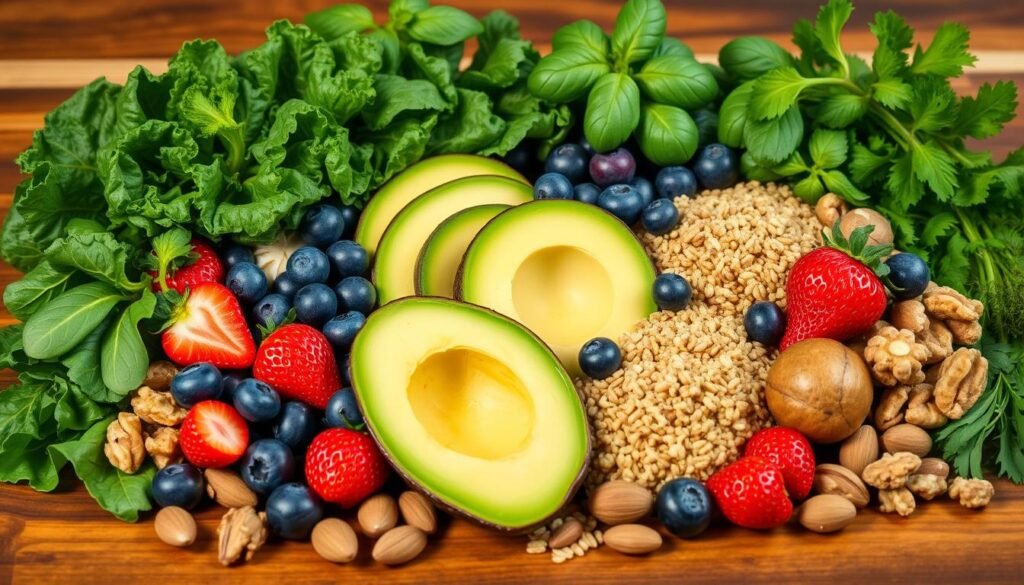
By adding these heart-healthy foods and maintaining a balanced diet, you can manage cholesterol well and help your heart stay strong.
Lifestyle Changes for Lowering Cholesterol
Making small changes in your lifestyle can greatly improve your cholesterol levels. Adding exercise for heart health and stopping smoking are key steps. These changes help a lot with heart health.
Incorporating Regular Exercise
Regular exercise is key to lowering cholesterol. The American Heart Association suggests 150 minutes of moderate exercise every week. This helps to raise HDL (good cholesterol) and lower LDL (bad cholesterol).
Even walking a little more can make a difference. It cuts the risk of heart disease and boosts overall health.
Quitting Smoking Benefits
Stopping smoking is great for your cholesterol. It can raise your HDL cholesterol by up to 10% in the first year alone. Less smoking means lower triglycerides and better heart health.
This reduces the risk of fat buildup in the arteries. Quitting smoking is a crucial part of lifestyle changes for lowering cholesterol for a longer and healthier life. For tips on making these changes, check out lifestyle changes for cholesterol management.
Herbal Remedies and Supplements
Adding herbal remedies and supplements can help manage cholesterol levels. Many studies show that some options can lower bad cholesterol and boost heart health. We will look at whey protein and herbs like garlic. We’ll discuss their benefits, effects, and any side effects they may have.
Whey Protein Effects on Cholesterol
Whey protein is known for lowering “bad” cholesterol and total cholesterol. It can help grow muscles and manage cholesterol well. When picking cholesterol supplements, go for high-quality whey protein for the best results.
The Potential of Garlic and Other Herbs
Garlic is a popular choice for dealing with high cholesterol. It might reduce cholesterol a bit, but effects can vary person to person. Be ready for possible side effects like bad breath, body smell, and stomach upset. Other herbs, like green tea and flaxseed, are also good against cholesterol. Still, it’s wise to know about possible gas, bloating, and drug interactions they may cause.
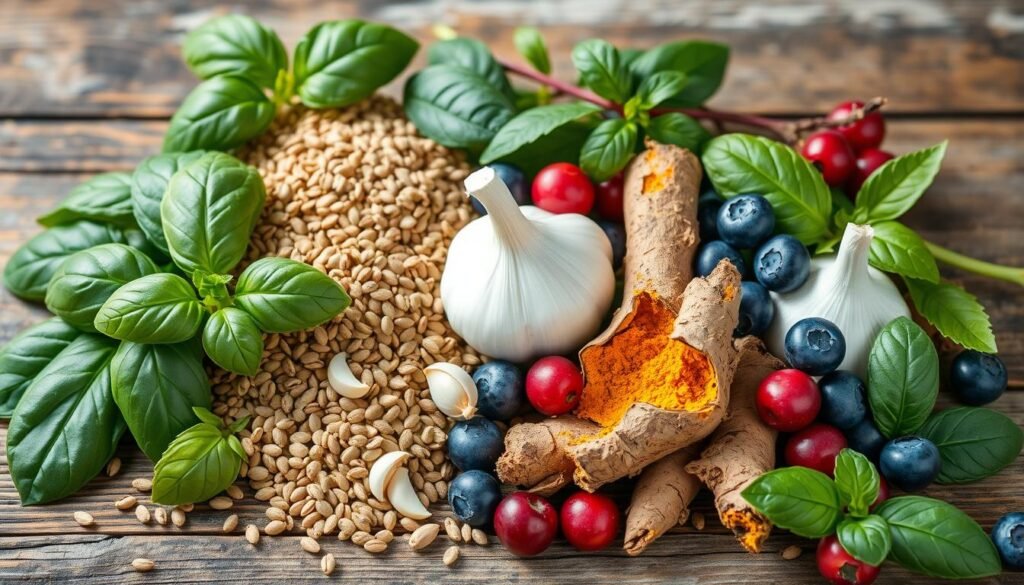
| Herb/Supplement | Cholesterol Impact | Potential Side Effects |
|---|---|---|
| Whey Protein | May lower LDL cholesterol | None commonly noted |
| Garlic | May slightly reduce cholesterol | Bad breath, nausea |
| Green Tea | May lower LDL cholesterol | Nausea, gas |
| Ground Flaxseed | May reduce LDL cholesterol | Gas, bloating |
| Plant Stanols/Sterols | May reduce LDL cholesterol | Diarrhea |
| Red Yeast Rice | May lower LDL cholesterol | Muscle and liver damage risks |
Looking into these herbal remedies and supplements opens doors for natural cholesterol management. Knowing what they do, their perks, and side effects helps people make smart health choices.
Alternative Treatments for High Cholesterol
Many people are looking for different ways to control high cholesterol. They often turn to red yeast rice and policosanol. Both options have become popular because they may help with cholesterol.
Red Yeast Rice and Its Impact
Red yeast rice comes from Chinese medicine and is famous for reducing cholesterol. It has Monacolin K, which works like statin drugs. According to research, it significantly lowers LDL cholesterol.
Reviews say Monacolin K in supplements can cut down cholesterol as much as usual drugs. This makes red yeast rice a strong alternative for managing high cholesterol.
The Role of Policosanol
Policosanol is made from sugar cane wax and might help lower cholesterol. Some studies show effects of policosanol, but the results vary. Not all research confirms its benefits.
It is suggested that policosanol can reduce overall cholesterol. But, people should talk to their doctors before using it. This ensures it’s safe and effective for them.
Even though red yeast rice can be good for cholesterol, and policosanol is interesting, one shouldn’t just decide on their own to use them. Always speak with a healthcare provider first. They can inform you about any side effects or interactions with other drugs.
Holistic Approaches for High Cholesterol
Managing high cholesterol isn’t just about changing what you eat. It’s also about your lifestyle, including your mental and heart health. Studies show that activities for both your mind and body are key. They can help lower your cholesterol and make you feel better all around.
Combining Diet and Mental Wellness Practices
Adding mental wellness activities to a healthy diet can do wonders. Things like meditation and yoga not only reduce stress. They also help your heart stay healthy. Eating foods rich in fiber, like beans and oats, lowers bad cholesterol. When you combine these with stress-relief activities, the benefits multiply. Holistic approaches for high cholesterol show it’s important to focus on both diet and mental health.
The Importance of Stress Management
Stress plays a big role in cholesterol levels. It can lead to habits and body changes that raise bad cholesterol. Using stress management techniques like deep breathing, mindfulness, and staying active helps lower cholesterol. Focusing on these methods improves your mental and heart health. It also helps you handle cholesterol in a lasting way. This approach teaches you to handle stress better through life.
| Holistic Practices | Benefits | Examples |
|---|---|---|
| Yoga and Meditation | Reduces stress, enhances mental clarity | Hatha yoga, mindfulness meditation |
| Healthy Eating | Lowers cholesterol levels | High-fiber foods, fatty fish like salmon |
| Physical Activity | Increases HDL and lowers LDL | Walking, cycling, aerobics |
| Mindfulness | Improves emotional resilience | Guided imagery, journaling |
| Community Support | Enhances motivation and accountability | Group classes, support groups |
Monitoring and Maintaining Healthy Cholesterol Levels
Monitoring your cholesterol is key to keeping your heart healthy. Regular check-ups help you understand your cholesterol levels. This understanding lets you act quickly if your levels get too high. High LDL cholesterol can block arteries and raise the risk of heart disease.
To keep your cholesterol healthy, know your test results. The CDC suggests keeping total cholesterol near 150 mg/dL. LDL cholesterol should be about 100 mg/dL. HDL should be over 40 mg/dL for men and 50 mg/dL for women. With these numbers, you can tailor your approach to manage cholesterol.
Heart-friendly lifestyle changes are important. Eat lots of fruits, veggies, whole grains, and healthy fats. Regular workouts can lower bad cholesterol and boost good cholesterol. Also, sleeping 7 to 9 hours a night helps manage cholesterol levels.
Talking with your doctor about cholesterol is key. You might discuss using statins, which can lower cholesterol in a month. For inherited high cholesterol, a treatment called lipoprotein apheresis could be an option. Tailored strategies help you control your cholesterol better.
Conclusion
It’s really important to take care of high cholesterol for a healthy heart. Natural cures can be a big help alongside usual treatments. We’ve shared tips on managing cholesterol well, like eating better and moving more. Adding things like green tea and garlic to your diet can lower bad cholesterol and boost heart health.
Studies show herbs like turmeric and globe artichoke are good for controlling cholesterol. Knowing about these natural options lets people choose wisely for their health. But, talking to a doctor is key, especially if you’re already taking medicines. This helps avoid any mix-ups.
Taking care of your heart means looking at the big picture. Keep an eye on your cholesterol, stay active, and eat foods good for your heart. Omega-3 fats and fiber are especially important. Doing all this can really make a difference in managing cholesterol and keeping your heart strong. For tips on herbal remedies that help, check out this source.