More than 27% of young adults in the U.S., ages 18 to 39, have high cholesterol. That’s about 26.3 million people. This issue is serious, yet often overlooked, especially in young women. Since heart disease is a top killer of women, it’s vital to manage high cholesterol early. In this article, we offer vital female heart health tips. Young women will learn how to prevent high cholesterol through lifestyle changes and regular screenings. By focusing on cholesterol awareness for young adults, we can protect our heart health now and in later years.
Key Takeaways
- High cholesterol is a growing concern among young women, with many unaware of their elevated levels.
- Regular screenings are essential for detecting high cholesterol early.
- Lifestyle modifications, including diet and exercise, can effectively manage cholesterol.
- Understanding the differences between LDL and HDL cholesterol is crucial for heart health.
- Consulting healthcare providers can help in deciding when to test and how to treat high cholesterol.
- Raising awareness about familial hypercholesterolemia can prevent long-term health risks.
Understanding Cholesterol: Good vs. Bad
Understanding cholesterol is important for heart health. Cholesterol is a waxy substance the liver makes. It’s important for making hormones, helping digestion, and keeping cells working well. Cholesterol affects our heart health directly. It comes in two types: HDL, the “good” kind, and LDL, the “bad” kind.
What is Cholesterol?
Cholesterol is found in all body cells. It’s needed for making some hormones, vitamin D, and substances that help digest food. The right balance of HDL and LDL is important for good health. Normal cholesterol levels are below 200 mg/dL. Higher levels can raise the risk of heart disease and stroke. Early monitoring can help young people manage their cholesterol.
HDL vs. LDL: The Key Differences
HDL cholesterol helps keep the heart healthy by removing extra cholesterol. It takes it to the liver where it’s broken down. Having too much LDL can lead to plaque in arteries. This raises the risk of heart attacks and strokes. Here’s a simple way to see their differences:
| Type | Role | Healthy Range |
|---|---|---|
| HDL | Removes cholesterol from the bloodstream | 50 mg/dL or higher for females |
| LDL | Contributes to plaque buildup in arteries | 100 mg/dL or lower |
| Total Cholesterol | Composite of all cholesterol types | Below 200 mg/dL |
It’s very important to get regular cholesterol check-ups. This is especially true for young adults. Understanding your cholesterol levels helps make better health decisions as you get older. For more info on HDL and LDL cholesterol, check out this resource.
High Cholesterol in 20s Female: The Statistics
High cholesterol is now a key health issue for young women. Around 27% of young adults have high LDL cholesterol, a type of bad cholesterol. This fact highlights why it’s critical to understand cholesterol dynamics in young women. These levels are influenced by lifestyle and genes.
Prevalence Among Young Women
Heart disease is a top killer of women. Studies show that before menopause, women usually have lower LDL cholesterol than men. But, 1 in 5 women may face high cholesterol in their reproductive years. It’s worrisome that about 7.5% of those aged 20 to 39 have cholesterol over 240 mg/dL. High cholesterol at a young age seriously ups heart disease risk later on.
How Cholesterol Levels Change in Young Adulthood
Cholesterol levels often change due to estrogen levels. Up to 19% swings in total cholesterol can occur over the menstrual cycle. Knowing this is very important. The lowest LDL cholesterol happens during menstruation. When women move from their 20s to 30s, lifestyle choices and cholesterol risks get more serious. This can greatly affect heart health. Staying on top of cholesterol early is key to good heart health later.
Risk Factors for High Cholesterol in Young Women
Young women in their twenties need to know about high cholesterol risks. These risks come from both genes and the choices we make every day. It’s key to recognize these factors early for good heart health.
Genetic Predispositions: Familial Hypercholesterolemia
Familial Hypercholesterolemia (FH) is a condition that 1 in 250 people have. It stops the body from getting rid of LDL cholesterol properly. This can make cholesterol levels very high, to above 190 mg/dL. It puts those affected at risk for heart disease early on. Yet, 90% of people with FH do not know they have it. Cascade screening is a way to find those at risk, showing why genetic tests are vital.
Lifestyle Factors Contributing to Elevated Cholesterol
Bad habits can make high cholesterol worse for young women. Eating foods high in trans fats and sugar is a big cause. Not moving enough, smoking, and too much alcohol also raise cholesterol levels. To stay healthy, young women should choose better habits.
Being active, eating well, and avoiding smoking and too much alcohol helps a lot. These steps can make managing cholesterol easier.
| Risk Factor | Description | Impact on Cholesterol |
|---|---|---|
| Familial Hypercholesterolemia | Genetic condition affecting LDL cholesterol clearance | Increases LDL cholesterol levels significantly |
| Poor Diet | High intake of saturated and trans fats | Contributes to elevated cholesterol |
| Physical Inactivity | Lack of regular exercise | Encourages higher LDL and lower HDL levels |
| Smoking | Tobacco use impacts overall heart health | Raises LDL cholesterol and lowers HDL cholesterol |
| Excessive Alcohol | High consumption of alcoholic beverages | Affects cholesterol levels and overall health negatively |
The Importance of Regular Cholesterol Screening
Having your cholesterol checked regularly is key to keeping your heart healthy, especially for young women. The National Heart, Lung, and Blood Institute advises adults over 20 to get tested every five years. These screenings catch high cholesterol early, important because many young people don’t know their levels. Learning your cholesterol status can motivate you to live healthier.
When to Get Tested
Experts say adults should check their cholesterol every 4 to 6 years. If you have risk factors like a family history of high cholesterol or poor lifestyle habits, you might need tests more often. Kids and teens should also be tested often, starting at age 9. Catching cholesterol issues early helps young people start healthy habits early.
Understanding Test Results
Knowing what your cholesterol results mean is crucial. A total cholesterol below 200 mg/dL is good, but 200-239 mg/dL is borderline high. Over 240 mg/dL is too high and needs action. This knowledge helps young women tackle cholesterol issues early and choose a healthy lifestyle.
| Cholesterol Level | Classification |
|---|---|
| Less than 200 mg/dL | Healthy |
| 200-239 mg/dL | Borderline High |
| 240 mg/dL and above | High |
It’s important to know your cholesterol level for your heart’s health. Regular checks help young women lower their heart disease risk later in life.

Signs and Symptoms of High Cholesterol
Many don’t know they have high cholesterol because it doesn’t show clear signs. This silent condition can be tricky, making check-ups key for adults. Knowing the signs can lead to early actions to prevent bigger health problems.
Why It Often Goes Unnoticed
Most times, high cholesterol doesn’t show itself. This makes it sneaky. Some may show signs like xanthomas or corneal arcus. Yet, blood tests are mostly how it’s found. Poor diet, not moving much, and smoking can quietly raise cholesterol. This slow build-up often escapes the notice of young adults.
The Long-term Effects of Ignoring High Cholesterol
Not dealing with high cholesterol can harm heart health over time. High cholesterol can lead to heart issues, strokes, and atherosclerosis. Young people might not think it’s a big deal now, but it can damage arteries over time. As we get older, these risks get bigger. So, it’s vital to keep an eye on our cholesterol and live healthier. Knowing the risks can motivate young women to look after their health better.
| Factors Contributing to High Cholesterol | Potential Long-term Effects |
|---|---|
| Poor diet (high in saturated and trans fats) | Increased risk of heart disease |
| Lack of physical activity | Higher likelihood of stroke |
| Smoking | Atherosclerosis development |
| Obesity and diabetes | Coronary artery disease |
| Genetic predispositions | Familial hypercholesterolemia complications |
Dietary Choices to Manage Cholesterol Levels
Making the right food choices is key to handling high cholesterol early on. The foods you eat can majorly impact your cholesterol and your heart’s well-being. A diet packed with heart-friendly foods is crucial. It lowers bad LDL cholesterol and increases good HDL cholesterol. This results in better heart health overall.
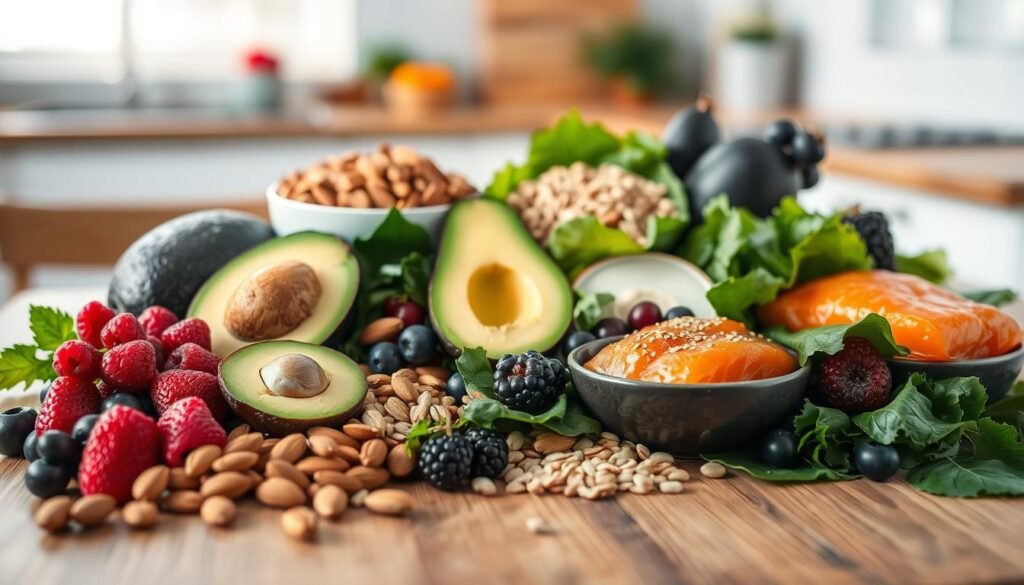
Heart-Healthy Foods to Include
Add a variety of nutritious items to your meals to help control cholesterol. Make sure to eat plenty of:
- Fruits like apples, grapes, and berries
- Vegetables such as spinach, kale, and broccoli
- Whole grains including oats, quinoa, and brown rice
- Healthy fats from sources like avocados, olive oil, and nuts
These foods don’t just fight cholesterol. They also give your body the nutrients it needs to stay healthy. Studies show that changing what you eat can cut cholesterol by 20% to 30% over time.
Foods to Avoid for Better Cholesterol Management
To keep cholesterol in check, there are certain foods young women should avoid. Steer clear of:
- Red meats and processed meats
- Full-fat dairy products
- Trans fats found in fried and baked goods
- Refined sugars in sweet snacks and beverages
Avoiding these foods helps in managing cholesterol when you’re young. Making healthier choices supports your heart for the future. The TLC diet offers tips for making these dietary adjustments.
Physical Activity and Its Impact on Cholesterol
Being active is key for young women dealing with high cholesterol. It helps keep the body healthy and improves cholesterol numbers. The American Heart Association recommends at least 150 minutes of exercise each week. This exercise guideline is a good start for a healthier heart.
Recommended Exercise Guidelines
It’s good to mix up your activities. You can try:
- Walking
- Cycling
- Dancing
These exercises are easy to fit into a busy schedule. That makes them great for staying active over time. The goal is to make exercise a regular part of your day. This helps manage high cholesterol effectively.
How Exercise Lowers LDL and Raises HDL
Exercise does wonders for your cholesterol. It lowers the bad (LDL) and raises the good (HDL) levels. Being active burns calories and cuts down LDL, which keeps your heart healthy. Active young women will see a positive shift in their cholesterol. This means a healthier heart and a longer life.
Medications for Treating High Cholesterol
For many young women, lifestyle changes are not enough to control high cholesterol. Medications, especially statins, play a key role. Learn more about the benefits of statins and how they reduce heart attack and stroke risks. It’s important for those with LDL levels over 130. While statins are usually safe, they can cause muscle pain.
Understanding Statins and Their Use
Statins are great at lowering LDL cholesterol for those with high levels. In the U.S., about 94 million adults over 20 have high cholesterol. Choosing statin therapy may depend on genetics, lifestyle, and heart disease risk.
Women are more likely to reject statin therapy, even with a doctor’s advice. Treatment should start for high-risk conditions, aiming for total cholesterol under 200 and LDL below 100.
Alternative Treatment Options
While statins are a primary treatment, other options exist. PCSK9 inhibitors are an alternative for familial hypercholesterolemia or those unresponsive to diet changes. Lifestyle adjustments are critical for cholesterol management. Alcohol raises triglycerides and overall cholesterol. Red yeast rice supplements are popular but lack strong evidence. It’s crucial to understand personal risk with tools like the ASCVD 10-year score. This helps in deciding the right treatment, including statins or alternatives. Explore alternative treatments for managing cholesterol.
Healthy Lifestyle Choices for Cholesterol Control
Making healthy choices is key to managing cholesterol. Changing daily habits can boost heart health. Focus on quitting smoking and stress management.
Quitting Smoking and Reducing Alcohol Consumption
Stopping smoking has fast benefits for the heart. It boosts good cholesterol. Within a year, your heart disease risk could be half that of a smoker’s. Also, drink alcohol in moderation. For older adults and women, that means one drink a day. Younger men can have up to two. Too much alcohol raises cholesterol and harms the heart.
Stress Management Techniques
Managing stress well is vital for cholesterol management. Stress often leads to unhealthy habits that hurt the heart. Use mindfulness, yoga, or deep breathing to relax. Such practices combat stress and anxiety, aiding a healthy lifestyle and cholesterol control.
| Healthy Lifestyle Choices | Impact on Cholesterol |
|---|---|
| Quitting Smoking | Increases HDL cholesterol levels; reduces heart disease risk |
| Reducing Alcohol Intake | Limits triglyceride levels; lowers cholesterol risk |
| Managing Stress | Helps in maintaining healthy lifestyle choices |
| Regular Exercise | Boosts HDL cholesterol; lowers LDL cholesterol |
| Heart-Healthy Diet | Supports overall cholesterol reduction |
Conclusion
More young women today have high cholesterol, showing the need for awareness. Knowing about cholesterol helps young adults tackle it better in their twenties. Research emphasizes how crucial it is for women to prevent high cholesterol early, especially if it runs in the family. This condition can lead to heart problems sooner.
Eating right and exercising regularly are key. Doing aerobic exercises for 150 minutes a week is recommended. Eating heart-healthy foods and making lifestyle changes can lower the risk.
Young women can protect their heart health by learning and living healthy. Focusing on preventing high cholesterol early makes a healthier future possible. This effort reduces the risk of heart diseases. Fighting high cholesterol is not just a personal goal but a collective effort for a better future.