Did you know around 94 million adults over 20 in the U.S. have slightly high cholesterol? This fact shows how vital it is to know about cholesterol levels. It’s especially important for those with normal triglycerides yet high cholesterol. These two lipid profiles are closely linked, making it hard for many to understand.
The complexities of cholesterol and its effect on heart health are key to know about. Knowing the reasons behind high cholesterol is crucial. With this knowledge, people can better manage their health.
Key Takeaways
- High cholesterol affects nearly 94 million adults in the U.S., emphasizing the importance of monitoring.
- Normal triglycerides may not prevent high cholesterol, revealing a disconnect in lipid management.
- Understanding cholesterol levels is key to improving heart health and preventing cardiovascular issues.
- Genetic factors can significantly influence cholesterol levels, even in individuals with normal triglycerides.
- Effective cholesterol management often combines lifestyle changes with medical interventions.
Understanding Cholesterol Levels
Cholesterol is vital for our bodies, but too much can cause health problems. It’s crucial to understand cholesterol levels for good health. There are three main types of cholesterol: low-density lipoprotein (LDL), high-density lipoprotein (HDL), and triglycerides.
LDL is known as “bad” cholesterol. High levels can lead to plaque in arteries, causing atherogenesis. HDL is “good” cholesterol. It helps move cholesterol from arteries to the liver to be removed. Triglycerides are a blood fat important for heart health. High levels increase the risk of heart issues, such as heart failure, stroke, and heart attacks.
Let’s look at cholesterol ranges:
| Cholesterol Type | Desirable Level (mg/dL) | High Level (mg/dL) |
|---|---|---|
| Total Cholesterol | Below 200 | 240 and above |
| LDL | Below 100 | 160 and above |
| HDL | Above 60 | Below 40 |
Frequent cholesterol monitoring is crucial for people with a family history of heart disease. Kids should get their first cholesterol test between 9 and 11. They should continue testing every five years. Diet, exercise, and genetics greatly affect cholesterol control.
For more info on cholesterol levels and their health risks, visit this resource.
The Importance of Triglycerides
Understanding triglycerides is key for good health. They are fats in the blood that store energy. When we eat more calories than we need, these extra calories turn into triglycerides. This can make triglyceride levels go up. It’s important to know the difference between triglycerides and cholesterol because they affect health in different ways.
High triglyceride levels can point to health issues. Things like a bad diet, smoking, being overweight, not exercising, drinking too much alcohol, and liver diseases can make levels go up. For example, being overweight can cause insulin resistance. This might make triglyceride levels rise. Also, drinking a lot affects the liver’s fat management, increasing certain lipoproteins and thus, triglycerides.
People with autoimmune diseases may have high triglycerides due to ongoing inflammation. Genetics also matter, with some conditions affecting triglyceride processing. Moreover, some medications like hormonal therapies, steroids, and certain HIV drugs can raise triglyceride levels.
High triglycerides are a serious concern. They can cause problems like arteriosclerosis, heart failure, stroke, heart attack, and pancreatitis. It’s critical to check triglyceride levels regularly. The normal range is below 150 mg/dL. A range of 150 to 199 mg/dL is borderline high. Levels between 200 to 499 mg/dL are high, and levels over 500 mg/dL are very high.
To keep cholesterol and triglycerides healthy, changing your lifestyle is key. Quitting smoking and cutting back on alcohol helps. So does avoiding sugars and simple carbs, and keeping a healthy weight. Regular exercise lowers triglycerides and raises “good” cholesterol. This is good for heart health. If these changes aren’t enough, doctors might suggest medications like statins, fibrates, or fish oil supplements.
| Triglyceride Level | Category |
|---|---|
| Less than 150 mg/dL | Normal |
| 150 to 199 mg/dL | Borderline High |
| 200 to 499 mg/dL | High |
| 500 mg/dL or above | Very High |
Causes of High Cholesterol
It’s crucial to know why high cholesterol happens, especially for your heart. Many things can make cholesterol levels go up and could lead to health issues.
Some causes are within our control, like:
- Inactivity
- Obesity
- An unhealthy diet, especially with lots of saturated and trans fats
- Smoking
- Drinking too much alcohol
Other causes are out of our hands, such as genetics and getting older. Family genes can make you more likely to have high cholesterol. People over 65 often see their cholesterol go up as their bodies change.
Long-lasting health problems also affect cholesterol. Conditions like diabetes, kidney disease, HIV/AIDS, hypothyroidism, and lupus can mess with cholesterol. Knowing about your health can help keep cholesterol in check.
Studies show high cholesterol can cause atherosclerosis. This raises the risk of heart disease, strokes, and chest pain. Adults should keep their cholesterol under 200 mg/dL for good health.
Making changes in your life can help lower cholesterol. Try to exercise for 30 minutes most days and eat foods rich in omega-3 fats. Staying at a healthy weight is key. Knowing what causes high cholesterol helps us protect our hearts.
| Controllable Factors | Uncontrollable Factors | Medical Conditions |
|---|---|---|
| Inactivity | Genetics | Diabetes |
| Obesity | Age | Chronic Kidney Disease |
| Unhealthy Diet | HIV/AIDS | |
| Smoking | Hypothyroidism | |
| Excessive Alcohol Consumption | Lupus |
Why Are My Triglycerides Normal But Cholesterol High?
Learning about triglycerides and cholesterol helps us understand heart health. Even if triglycerides are normal, cholesterol can still be high. This makes us wonder: why is my cholesterol high when my triglycerides are normal? Triglycerides and cholesterol are both lipids, but they work differently in our bodies.
Differences Between Triglycerides and Cholesterol
Triglycerides and cholesterol have distinct roles. Here’s how they compare:
| Aspect | Triglycerides | Cholesterol |
|---|---|---|
| Definition | A type of fat stored in the body for energy | A waxy substance used to build cell membranes and hormones |
| Normal Range | Below 150 mg/dL | Below 200 mg/dL |
| Health Risks | High levels can risk pancreatitis | High levels can lead to heart disease |
Differences between triglycerides and cholesterol are important. Understanding these helps explain why cholesterol can be high with normal triglycerides. Lifestyle choices like diet, lack of exercise, and alcohol affect triglycerides. They might not impact cholesterol in the same way.
Genetic Factors Affecting Cholesterol Levels
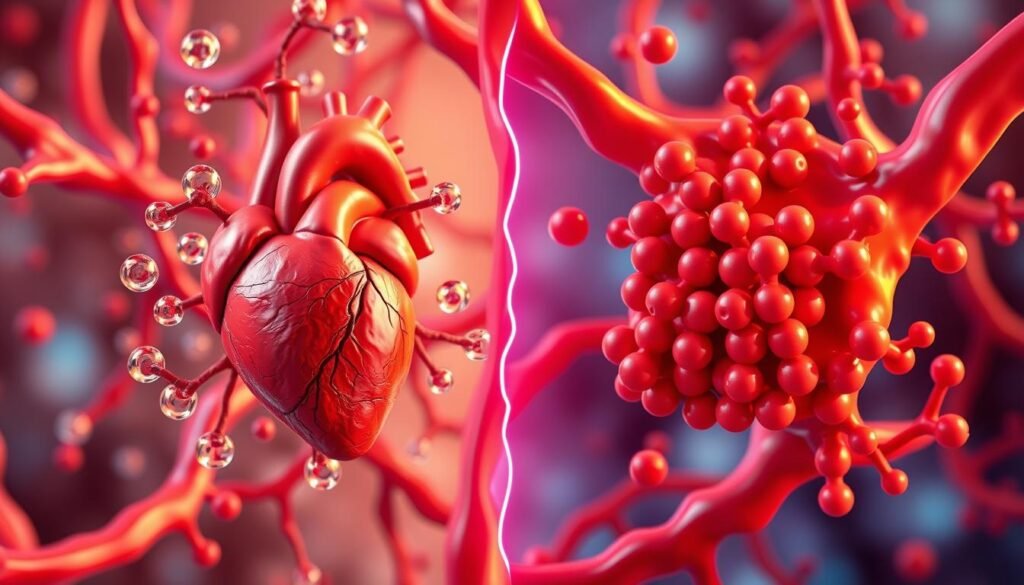
Genetics strongly influence cholesterol levels. Some people have family traits that change how their body handles cholesterol. Conditions like familial hypercholesterolemia can raise cholesterol, even with a healthy lifestyle. Due to genetic factors affecting cholesterol, a person with normal triglycerides might still face high cholesterol. This is because of genetic aspects that affect how the liver works with cholesterol.
Healthy Cholesterol Levels Explained
Knowing about healthy cholesterol is key to keeping your heart healthy. A total cholesterol level under 200 mg/dL is good. But when it hits 200 mg/dL or more, it’s high and worrying.
There are two main cholesterol types: LDL and HDL. LDL, the “bad” cholesterol, should be under 100 mg/dL. High levels can lead to heart problems. HDL, the “good” cholesterol, is protective when above 60 mg/dL.
Managing cholesterol is vital for heart health. It’s important to keep LDL low and HDL high. Everyone should get their cholesterol checked regularly. Kids need their first check between 9 and 11 years, then every five years.
Adults need checks too, but how often varies. If you’re a man between 45 to 65 or a woman from 55 to 65, get tested every 1 to 2 years. People over 65 should have yearly tests.
Don’t overlook triglycerides in your cholesterol check. Normal levels are below 150 mg/dL. 150-199 mg/dL means they’re a bit high. To lower them and your cholesterol, eat healthily, be active, and avoid smoking.
Cholesterol Blood Test Interpretation
Understanding the results of a cholesterol blood test is key for heart health. A lipid profile test checks cholesterol and triglycerides in the blood. It measures total cholesterol, low-density lipoprotein (LDL), high-density lipoprotein (HDL), and triglycerides. These results help spot risks of cardiovascular disease.
What to Expect During a Lipid Profile Test
Before a lipid profile test, you must follow fasting rules. Fasting 9 to 12 hours helps accurately measure LDL. A healthcare provider takes your blood for analysis.
- Total Cholesterol: Normal levels are below 200 mg/dL, while 240 mg/dL or higher means high cholesterol.
- LDL Cholesterol: Under 100 mg/dL is best. 190 mg/dL or more is very high.
- HDL Cholesterol: Over 40 mg/dL for men and 50 mg/dL for women is good. More than 100 mg/dL is too much.
- Triglycerides: Below 150 mg/dL is ideal. 150-199 mg/dL is mildly high, and over 200 mg/dL is concerning.
After the test, cholesterol levels are judged based on age, sex, and health. A healthy balance improves heart health and lowers risks of atherosclerosis, heart attacks, and strokes.
| Cholesterol Type | Optimal Level | High Level | Very High Level |
|---|---|---|---|
| Total Cholesterol | Less than 200 mg/dL | 240 mg/dL and above | – |
| LDL Cholesterol | Less than 100 mg/dL | 160 to 189 mg/dL | 190 mg/dL and above |
| HDL Cholesterol | 40 mg/dL (men) 50 mg/dL (women) |
– | 100 mg/dL and above |
| Triglycerides | Less than 150 mg/dL | 200 to 499 mg/dL | 500 mg/dL and above |
Cholesterol Management Techniques
It’s vital to manage cholesterol for a healthy heart. You can lower cholesterol with lifestyle changes and medication. Knowing how to manage it helps you make smart choices for your health. Here are the best ways to handle cholesterol.
Lifestyle Changes for Better Cholesterol
Making lifestyle changes can greatly improve your health. These changes better your lipid profiles and cut heart disease risk. Here are the top methods:
- Incorporate regular exercise, like 150 minutes of moderate activity weekly. It helps lower cholesterol and blood pressure.
- Eat a heart-healthy diet with lots of fruits, veggies, whole grains, and healthy fats. Omega-3 from fish and nuts is great.
- Avoid food with trans fats and saturated fats to keep cholesterol in check.”
- Drink alcohol in moderation. Even small amounts can raise triglyceride levels.
- Quit smoking to boost HDL cholesterol levels and heart health.
- Losing 5% to 10% of your weight, especially if it’s around your belly, improves cholesterol.
When to Consider Medication
Sometimes, lifestyle changes aren’t enough to get cholesterol to a good level. You might need medication if you have:
- High LDL cholesterol even after major lifestyle changes.
- A history of heart disease or big risk factors like metabolic syndrome or diabetes.
- High triglycerides that don’t go down with diet and more exercise.
Common medications include statins for LDL cholesterol, fibrates for triglycerides, and niacin for overall lipid balance. Talk to your doctor to find the best plan for you.
Cholesterol and Heart Health
Cholesterol’s link to heart health is crucial. High cholesterol raises the risk of serious heart conditions. Atherosclerosis, marked by plaque buildup in vessels, can restrict blood flow and cause heart disease.
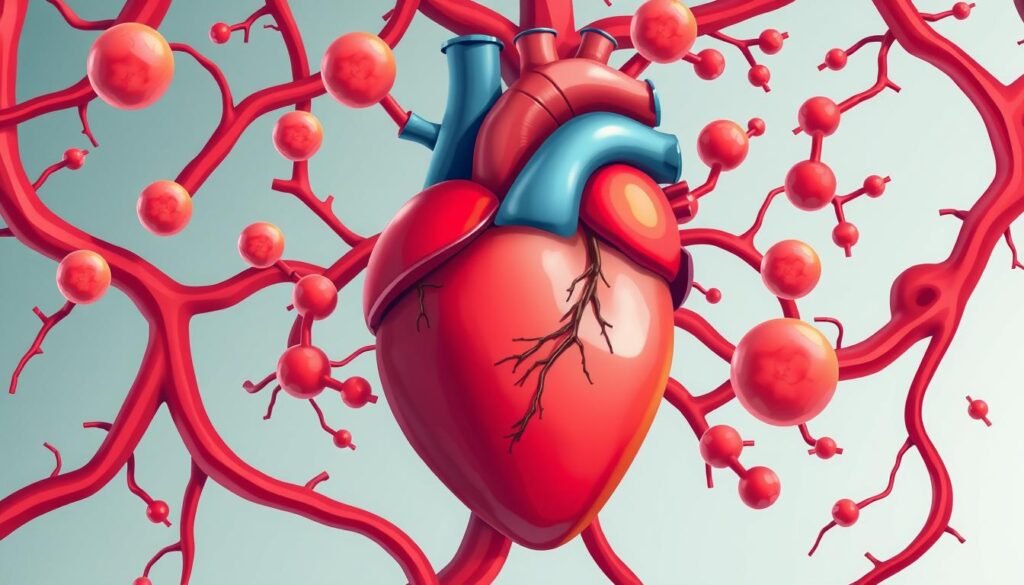
High cholesterol leads to heart problems, like coronary artery disease (CAD) and peripheral artery disease (PAD). This plaque in coronary arteries can impair the heart and increase heart attack risks. Shockingly, 20% of CAD deaths happen under age 65, showing the need for monitoring cholesterol.
Lifestyle also plays a key role. Stress boosts cholesterol production. Smoking decreases good cholesterol (HDL) and raises bad cholesterol (LDL). Too much alcohol can raise cholesterol too.
- Recommendations for maintaining healthy cholesterol levels include:
- Reducing saturated and trans fats
- Limiting fried and processed foods
- Quitting smoking
- Engaging in regular physical activity
Ignoring cholesterol can lead to high blood pressure and carotid artery disease. These can cause strokes and transient ischemic attacks, due to poor brain blood flow. Cholesterol and high blood pressure are closely linked.
Understanding cholesterol’s role in heart health reminds us to get regular check-ups and make lifestyle changes. Lowering cholesterol greatly reduces the risk of serious heart issues.
Lowering Cholesterol Naturally
Making changes in your lifestyle can lower cholesterol. A good first step is changing what you eat. Add more fruits, vegetables, and whole grains to your diet. Also, eat healthy fats like those in nuts and fish. These foods are full of nutrients and help control cholesterol.
Be smart about what you drink. Drinking alcohol in moderation can raise the good cholesterol, HDL. But if you don’t drink, don’t start. There are many other ways to keep your heart healthy.
Stay away from trans fats and eat less saturated fat. The FDA banned harmful oils starting January 1, 2021. This move shows how important it is to avoid bad fats. Reading food labels helps you choose heart-healthy options.
Being active is key to lowering cholesterol. Exercise lowers bad fats and raises good cholesterol. By exercising regularly, you’ll see a positive change.
Trying supplements like whey protein might help too. Research says it lowers bad LDL cholesterol and total cholesterol. Eating soy foods also supports heart health.
To learn more about natural ways to lower cholesterol, visit natural remedies for lowering cholesterol. Understanding how to manage cholesterol helps you make smart choices.
To sum it up, lowering cholesterol naturally needs lifestyle changes. Better diet, exercise, and being mindful of what you consume improve cholesterol. This leads to a healthier heart.
Participating in Regular Exercise
Regular physical activity is key to keeping cholesterol in check. Studies show exercising lowers bad cholesterol and raises the good kind. Aim for 150 minutes of exercises like walking, jogging, swimming, or biking every week. These help your heart stay healthy.

Not moving much can make your cholesterol worse. As people get older, their bad cholesterol can go up every year. Even a little exercise daily can make a big difference in managing cholesterol.
Being active works even better when you also stop smoking and reduce stress. Smoking hurts the cholesterol that keeps you balanced. High blood pressure and diabetes also mess with cholesterol. But staying active can help control these issues too.
Making exercise a part of your life is crucial for better cholesterol. You can find great exercises and tips here.
| Type of Exercise | Recommended Duration | Impact on Cholesterol |
|---|---|---|
| Brisk Walking | 150 minutes/week | Reduces LDL, Raises HDL |
| Jogging | 150 minutes/week | Reduces LDL, Raises HDL |
| Swimming | 150 minutes/week | Reduces LDL, Raises HDL |
| Biking | 150 minutes/week | Reduces LDL, Raises HDL |
Adding exercise to your life, eating right, and living healthy can drastically better your cholesterol.
Conclusion
Knowing how triglycerides and cholesterol relate is key for good heart health. Some have normal triglycerides but high cholesterol. This might be due to lifestyle, genes, and different cholesterol types.
To keep heart health in check, adults should start getting tested early. Men between 20 and 35 and women from 20 to 45 need to begin. They should get retested every five years if things stay normal.
To manage cholesterol well, combine diet improvements, more exercise, and no smoking. If needed, statins or ezetimibe can help. High cholesterol links to atherosclerosis, heart disease, and stroke. Taking action for your health is crucial.
UCF Health suggests working together to tackle high triglycerides. Regular visits and lifestyle changes can protect your heart. Dealing with high cholesterol despite normal triglycerides is complex. For tailored care, check out high triglycerides management solutions.