Did you know around 1 in 3 adults in the United States has high cholesterol? This increases their risk of heart disease. It’s alarming and shows why a good diet for high cholesterol is crucial. The recommended daily cholesterol intake is less than 200 mg. Following a cholesterol-lowering diet is key to keeping a healthy heart. In this article, we’ll look into diets that help your heart, key parts of a successful diet, and tips for nutritious eating to lower cholesterol.
Key Takeaways
- High LDL cholesterol increases heart disease risk.
- Incorporating soluble fiber between 10 to 25 grams daily can help lower cholesterol absorption.
- Limiting saturated fat to less than 7% of total calories is crucial for cholesterol control.
- Foods rich in omega-3 fatty acids, such as salmon and walnuts, can effectively reduce LDL levels.
- Plant sterols and stanols can lower LDL cholesterol by 5% to 15% when taken consistently.
- Embracing a heart-healthy diet can lead to noticeable improvements in cholesterol levels in as little as two weeks.
Understanding Cholesterol: The Good and the Bad
Cholesterol is crucial for our bodies, playing a big part in making cell membranes and hormones. But it’s important to keep a balance between the bad and good types. Knowing about LDL and HDL cholesterol helps people make better health choices.
What is Cholesterol?
Cholesterol is a waxy substance found in all body cells. The liver makes most of our cholesterol, with food providing some too. While we need it for making hormones and vitamin D, too much can be harmful. High cholesterol means having total levels over 200 mg/dL, which can lead to heart disease and stroke.
The Role of LDL and HDL Cholesterol
There are two main kinds of cholesterol: LDL, the bad cholesterol, and HDL, the good cholesterol. LDL can build up in arteries, raising the risk of heart problems. People with LDL levels of 100 mg/dL or lower have fewer heart diseases and strokes.
HDL cholesterol works to carry cholesterol to the liver to get it out of your body. This can help protect against heart disease. For the best health, HDL should be more than 60 mg/dL. Keeping a balance between LDL and HDL is key to avoiding heart issues.
| Cholesterol Type | Common Name | Optimal Levels |
|---|---|---|
| LDL Cholesterol | Bad Cholesterol | Below 100 mg/dL |
| HDL Cholesterol | Good Cholesterol | Above 60 mg/dL |
Knowing how LDL and HDL cholesterol differ is very important. It can greatly affect how we manage our cholesterol and our heart health.
Why Diet Matters for Lipid Management
Eating right plays a key role in managing heart health. What we eat greatly affects our cholesterol levels. By choosing heart-healthy foods, we can decrease bad LDL cholesterol and boost our heart’s health.
Impact of Diet on Cholesterol Levels
Our diet and cholesterol levels are closely linked. Foods like fatty meats, eggs, butter, and full-fat dairy can raise cholesterol. However, some foods like shellfish are good in moderation. Cutting down on saturated and trans fats is crucial for lowering cholesterol.
Eating more plants, fruits, veggies, and fish improves cholesterol. Omega-3s and soluble fiber also play a part. They help lower the body’s cholesterol uptake, showing diet’s strong effect on cholesterol management.
Importance of Heart-Healthy Eating
Eating for a healthy heart is vital for keeping cholesterol in check. Sticking to a diet low in cholesterol is advised. Adding soy foods, whey protein, and lots of fiber can lower LDL cholesterol.
Eating well and staying active boosts overall health significantly. Focusing on heart-healthy foods helps manage cholesterol better. It also lowers the risk of heart diseases.
Key Components of a Cholesterol-Lowering Diet
Managing cholesterol means choosing the right foods. Knowing which fats are good and which are bad is key. Adding soluble fiber to your diet is also vital to lower cholesterol.
Healthy Fats vs. Unhealthy Fats
Healthy fats are important for lowering cholesterol. You can find these unsaturated fats in avocados, nuts, seeds, and some oils. They help your heart health and cholesterol. On the other side, saturated and trans fats are bad for you. These fats increase bad cholesterol and are in fatty meats, full-fat dairy, and processed foods. The American Heart Association advises eating less than 6% of daily calories from saturated fat and avoiding trans fats.
The Role of Soluble Fiber in Cholesterol Reduction
Soluble fiber helps fight high cholesterol. It’s in oats, beans, lentils, fruits, and vegetables. Soluble fiber catches cholesterol in the gut to help get rid of it. This lowers cholesterol absorption and is good for your heart. Adding these high-fiber foods to your diet improves heart health. For more on the importance of fiber, visit this page.
| Type of Fat | Sources | Impact on Cholesterol |
|---|---|---|
| Healthy Fats | Nuts, seeds, olive oil, avocados | Helps lower LDL, raises HDL |
| Unhealthy Fats | Processed foods, fatty cuts of meat, full-fat dairy | Increases LDL, raises risk of heart disease |
Knowing about these components helps in diet planning. Choosing right between healthy and unhealthy fats, and eating more soluble fiber, is great for your heart.
Diet for High Cholesterol: Recommended Foods
Choosing the right foods can make a big difference in managing cholesterol. Foods that are good for your heart can also help lower your cholesterol. Adding these to your daily meals boosts both taste and health.
Whole Grains and High-Fiber Foods
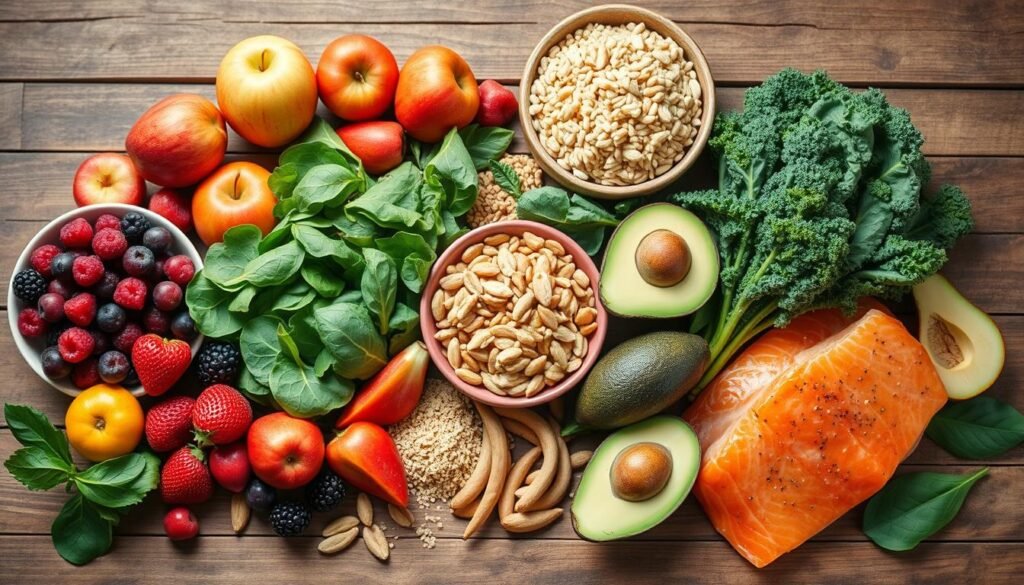
Whole grains are key for lowering cholesterol. Oatmeal, barley, and brown rice are packed with soluble fiber. This type of fiber grabs cholesterol in your gut and gets rid of it. For those tackling high cholesterol, including these foods every day is smart.
Omega-3 Fatty Acid Sources
Omega-3 fatty acids are great for the heart. Fatty fish like salmon and sardines lower triglycerides and boost cholesterol health. Walnuts and chia seeds are plant sources of omega-3s. They’re perfect for a heart-friendly diet. Trying different ways to cook these can make eating them more enjoyable.
Healthy Nuts and Their Benefits
Almonds, walnuts, and pecans are good for your heart. They have unsaturated fats, fiber, and vital nutrients that lower bad cholesterol and help the heart. Adding a small number of nuts to snacks or meals is a tasty way to get these benefits. For tips on cooking to lower cholesterol, click here.
| Food Category | Examples | Health Benefits |
|---|---|---|
| Whole Grains | Oatmeal, Barley, Brown Rice | Rich in soluble fiber, aids in lowering cholesterol. |
| Omega-3 Fatty Acids | Salmon, Sardines, Walnuts | Reduces triglycerides, improves heart health. |
| Healthy Nuts | Almonds, Pecans, Walnuts | Combats bad cholesterol, nutrient-dense. |
Low-Cholesterol Foods to Incorporate into Your Diet
Adding lots of low-cholesterol foods to your daily meals is key to keeping cholesterol in check. Focus on fruits and vegetables because they’re full of vitamins, minerals, and antioxidants that help your heart. These foods improve nutrition and help lower cholesterol.
Fruits and Vegetables: Nutritional Powerhouses
Fruits and vegetables are at the heart of a low-cholesterol diet. They have fiber, which stops cholesterol and fat from being absorbed. Strive for at least three servings each day for benefits such as reduced triglycerides and LDL cholesterol. Good choices include:
- Leafy greens
- Berries (especially strawberries and blueberries)
- Sweet potatoes
- Apples and citrus fruits
These foods are high in soluble fiber and can greatly reduce cholesterol. For example, pectin in apples and citrus may cut cholesterol by up to 10%. Adding these foods into your diet makes a big difference for your heart.
Plant-Based Nutrition as a Dietary Approach
Choosing a plant-based nutrition approach means eating foods like legumes, whole grains, nuts, and seeds. They’re healthy and lower cholesterol. Eating just 1 cup of beans each day can lower LDL cholesterol significantly. Other good foods include:
- Whole grains like oats, barley, and brown rice
- Nuts such as walnuts and almonds, known for their cholesterol-lowering effects
- Avocados, which can improve cholesterol levels
Eating a variety of these nutritious, low-cholesterol foods leads to better heart health and overall wellness. A diet rich in fruits, vegetables, and plant-based foods is a great way to manage cholesterol. For more info on these foods, visit this resource.
Foods to Limit for Better Cholesterol Levels
It’s key to have healthy cholesterol for a strong heart. People need to cut back on foods that hurt cholesterol levels. Making smart food choices can lead to better health.
Saturated and Trans Fats
It’s important to eat less food with saturated and trans fats. These fats increase bad cholesterol and the risk of heart disease. Foods rich in saturated fats include:
- Full-fat dairy products (like cheese and cream)
- Fatty cuts of meat (such as beef and lamb)
- Processed snacks (including chips and cookies)
- Fried foods
Trans fats are really bad for you. You find them in processed baked goods and margarine. Even after the 2018 US FDA ban on certain oils, we must watch out for them on labels.
Cholesterol-Rich Foods to Avoid
We should also limit eating cholesterol-rich foods. This includes organ meats, shellfish, and some dairy. Aim to keep your daily cholesterol below 200 mg. Doing this helps keep your cholesterol in check and your heart healthy.
Meal Planning Tips for Heart-Healthy Eating
Meal planning is key for a heart-healthy diet. It lets people make smarter food choices ahead of time. Aim for plates with whole grains, lean proteins, and lots of fruits and veggies. These meal planning tips aren’t just for great nutrition. They also help keep cholesterol in check.
Creating Balanced Meals
To make your meals balanced, add:
- Whole grains like brown rice and quinoa
- Lean proteins such as chicken, turkey, or legumes
- A variety of colorful fruits and vegetables
This mix boosts health and keeps mealtime enjoyable.
Healthy Cooking Methods
How you cook can affect your heart health. Shift to healthy cooking methods for a big difference. Use grilling, baking, steaming, or sautéing with little oil over frying. These methods keep nutrients intact and cut down bad fats. Watch your portions too, for better calorie control and cholesterol management.
Incorporating Plant Stanols and Sterols into Your Diet
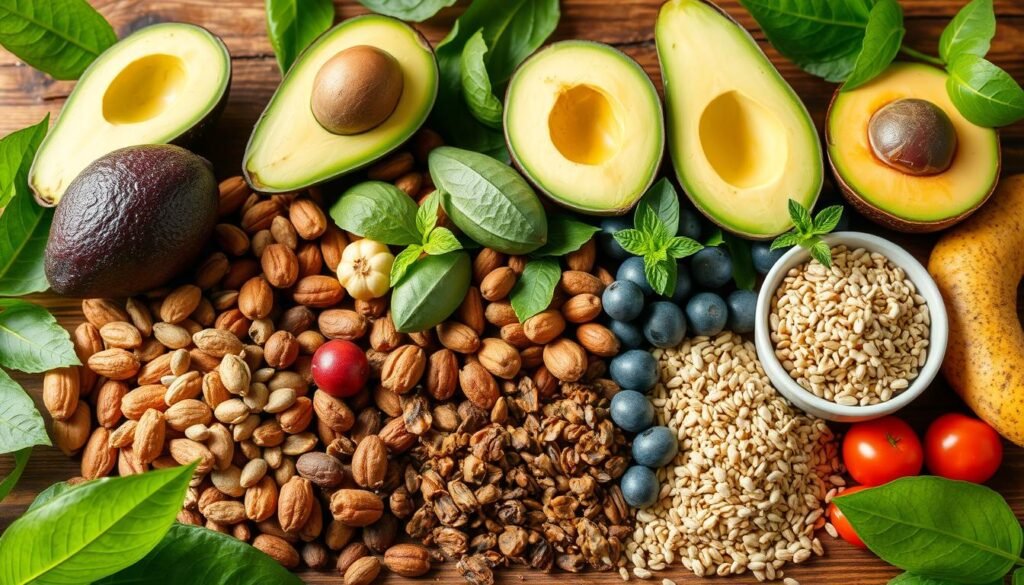
Managing cholesterol includes plant stanols and sterols. These compounds are in many plant foods and can block cholesterol from being absorbed. Adding them to your diet could lower your LDL cholesterol levels.
Food Sources and Benefits
Several foods have plant stanols and sterols. This includes some margarines, yogurts, and breakfast bars. If you eat about 2 grams of these a day, it can help manage cholesterol. Most people get about 300 mg daily, but vegetarians might get up to 600 mg. But, we often don’t get enough to truly impact cholesterol.
Recommendations for Supplementing Your Diet
To better manage cholesterol, adding supplements with plant stanols and sterols might help. Make sure these supplements are clearly labeled for proper intake. The experts recommend at least 1.3 grams of phytosterols each day to lower the risk of heart disease. Also, eating foods with at least 0.65 grams of plant sterols twice a day with meals is beneficial. This approach helps meet your daily needs and support heart health.
| Food Source | Estimated Phytosterol Content (per serving) |
|---|---|
| Fortified Margarine | 1 gram |
| Yogurt | 0.5 grams |
| Breakfast Bars | 1 gram |
| Cereal | 0.65 grams |
| Cheese | 0.5 grams |
Importance of Regular Physical Activity
Regular physical activity is key to keeping cholesterol levels healthy. It boosts cardiovascular health. Adding exercise to your daily life can make your heart healthier by changing cholesterol levels. This means more HDL (good) cholesterol and less LDL (bad) cholesterol and triglycerides. This leads to better health overall.
How Exercise Affects Cholesterol Levels
Research shows that 150 minutes of moderate aerobic exercise a week can improve your cholesterol. Walking, jogging, or swimming cuts LDL cholesterol by 3-6 mg/dL. People who don’t exercise much face a higher risk of heart diseases. However, those active regularly see a 21% lower risk. Regular physical activity is crucial for controlling cholesterol levels.
Combining Diet and Exercise for Optimal Health
To manage high cholesterol, it’s best to mix diet changes with regular exercise. The American Heart Association recommends muscle-strengthening activities twice a week along with aerobic exercises. This combined approach lowers heart disease risk and improves metabolic health. It also boosts quality of life. Starting with five to six exercise sessions a week can help create a routine.
Putting physical activity first can greatly reduce cholesterol and improve health. If you’re aiming to boost your health, find more ways to be active every day. For more on how exercise affects cholesterol, you can check this source here.
Long-Term Lifestyle Changes for Managing Cholesterol
To manage cholesterol well, you need long-term lifestyle changes. You should start healthier habits for better health. It’s important to be active and eat foods that are good for your heart.
Commitment to Healthy Choices
Healthy choices matter a lot, not just for cholesterol, but for your whole health. Eating a lot of fruits, veggies, whole grains, and healthy fats is key. Try to eat 5 cups of fruits and vegetables every day because they are low in fat and high in fiber. Also, choose unsaturated fats from things like olive oil and nuts over saturated fats from fatty meats and full-fat dairy. This switch helps your cholesterol.
- Incorporate moderate exercise, aiming for 30 minutes at least 4 to 6 times a week, which can effectively raise HDL (good) cholesterol and lower LDL (bad) cholesterol.
- If overweight, losing just 5-10 pounds can lead to lower cholesterol levels.
- Avoiding tobacco products significantly improves HDL cholesterol levels.
- Opt for omega-3 fatty acids by eating fish twice a week, aiding heart health.
Monitoring Cholesterol Levels
It’s also vital to monitor cholesterol levels regularly. Routine checks track your progress and show where you might need to do better. This step is key, especially if heart disease runs in your family. High cholesterol raises your risk a lot.
Eating foods with plant sterols and staying active are big steps towards better cholesterol. If you keep up with these lifestyle changes and check your levels often, reaching your cholesterol goals is very doable.
Conclusion
Choosing the right diet for high cholesterol is crucial for your heart. Eating foods like whole grains, fruits, vegetables, and healthy fats can really help. Plus, being active supports these food choices and fights heart disease.
Making smart food choices can lower your risk of heart troubles. Most Americans eat too much cholesterol-rich food like eggs and meat. It’s better to eat more legumes and nuts. A varied diet improves your health and cholesterol levels.
Managing cholesterol well takes dedication to healthy living and regular check-ups. By following these lifestyle changes, you can have a better heart and a longer life. It shows that eating well and staying active are key to beating heart disease.