Did you know high HDL cholesterol lowers the risk of heart issues? You should aim for 60 mg/dL or more. We’ll explore HDL cholesterol, its impact on heart health, and how to boost it.
HDL cholesterol is measured through a lipid panel test. Making certain lifestyle changes can help increase it. Working with doctors and using resources like the Cleveland Clinic can improve your cholesterol understanding. You’ll then know how to safeguard your heart’s health.
Key Takeaways
- HDL cholesterol is referred to as “good cholesterol” due to its protective effects against heart disease.
- Normal HDL levels for men and women differ, making it essential to understand gender-specific ranges.
- High HDL cholesterol can indicate underlying health issues or genetic mutations.
- Lifestyle changes, including diet and exercise, are effective in improving HDL cholesterol levels.
- Regular cholesterol testing is recommended to monitor HDL levels and assess cardiovascular health.
The Importance of Cholesterol Levels for Cardiovascular Health
Cholesterol levels are key in keeping a healthy heart. Cholesterol helps with many body functions. It comes in types like HDL and LDL. HDL is good for your heart, but too much LDL ups heart disease risk.
Understanding Cholesterol and Its Role
Cholesterol is crucial for making hormones and keeping cells healthy. Yet, LDL cholesterol can be harmful. It can cause arteries to clog, raising the risk of heart attacks and strokes. Keeping an eye on cholesterol levels is vital for heart health. For more, check out this resource on understanding your cholesterol HDL.
How Cholesterol Affects Heart Disease Risk
Globally, the impact of cholesterol on heart disease is well-known. Men need HDL above 40 mg/dL, and women need it above 50 mg/dL. Very high HDL, over 100 mg/dL, might also be bad. Checking cholesterol and eating healthy foods help manage heart health.
| Group | Risk Level | Desirable Level |
|---|---|---|
| Men | Less than 40 mg/dL | 60 mg/dL or above |
| Women | Less than 50 mg/dL | 60 mg/dL or above |
| High HDL | Above 100 mg/dL | Not recommended |
Making healthy choices and staying active can better your cholesterol. Knowing how cholesterol works helps you care for your heart better. This way, you can make smart choices for a healthier heart.
What is HDL Cholesterol?
HDL cholesterol, known as high-density lipoprotein, is key to keeping cholesterol levels healthy. It belongs to the lipoproteins group. These are important for moving cholesterol around in our blood. Knowing about HDL is crucial for anyone wanting to keep their heart healthy.
Definition and Function of HDL
HDL helps our body by getting rid of extra cholesterol in our arteries. It moves it back to the liver. There, it’s processed and thrown out. This action helps stop cholesterol from building up in artery walls. This buildup can cause heart diseases. Having more HDL cholesterol is often linked to a lower chance of heart disease and stroke.
The Role of Lipoproteins in Cholesterol Transport
Lipoproteins act as cholesterol buses in our bloodstream. They’re made of fats and proteins. HDL cholesterol is the good kind, helping to keep us healthy. However, its opposite, LDL cholesterol, can be harmful if there’s too much of it. The balance between HDL and LDL cholesterol is vital for our body. It influences how cholesterol is carried and where it goes in our body.
https://www.youtube.com/watch?v=0U7YHRW5dyc
| Type of Lipoprotein | Function | Impact on Health |
|---|---|---|
| HDL (High-Density Lipoprotein) | Transports excess cholesterol to the liver for excretion | Protective against heart disease; higher levels are favorable |
| LDL (Low-Density Lipoprotein) | Transports cholesterol to cells | Can contribute to plaque formation in arteries; higher levels are adverse |
Understanding HDL Cholesterol Levels
It’s essential to know about HDL cholesterol levels for heart health. The right amount of HDL, or “good” cholesterol, lowers heart disease risk. Knowing normal HDL levels is key to staying well.
Normal Ranges for HDL Cholesterol
For good health, aim for HDL cholesterol levels of 60 mg/dL or more. For men, levels below 40 mg/dL and for women below 50 mg/dL could mean a higher heart disease risk. Here are the cholesterol levels to aim for:
| Cholesterol Type | Desirable Level (mg/dL) |
|---|---|
| Total Cholesterol | Optimal below 200 |
| LDL Cholesterol (bad cholesterol) | Optimal below 100 |
| HDL Cholesterol (good cholesterol) | Generally higher levels are beneficial |
| Triglycerides | Normal level below 150 |
What Do High Levels Indicate?
High HDL cholesterol levels, above 80 mg/dL, used to be seen as a good sign. But, recent studies show too much HDL might hurt the heart. Monitoring HDL and other heart health markers is crucial.
Talking to healthcare providers is critical for understanding high HDL levels.
What Does High HDL Cholesterol Mean?
HDL cholesterol levels that are high often mean better heart health. HDL is called the “good” cholesterol. It helps remove bad LDL cholesterol from your blood. Knowing why high HDL is beneficial shows its importance for your heart.
Benefits of Having High HDL Levels
High HDL cholesterol has many health perks. Here are some main benefits:
- Reduces inflammation: High HDL levels lower body inflammation.
- Decreases plaque buildup: It stops plaque from gathering in arteries, ensuring smooth blood flow.
- Protects against heart disease: Higher levels of HDL lower the risk of heart diseases.
High HDL and Heart Disease Risk
High HDL cholesterol usually means a lower risk of heart disease. But, very high levels can be risky. Research shows a U-shape link between HDL and heart disease risk. HDL over 100 mg/dL might up the risk of heart problems. It’s crucial to keep an eye on these levels for your heart’s health.
| HDL Cholesterol Levels | Cardiovascular Risk Status |
|---|---|
| Below 40 mg/dL | Increased risk |
| 40-60 mg/dL | Optimal range |
| 60-100 mg/dL | Protective effect |
| Above 100 mg/dL | Possible increased risk |
Getting your cholesterol checked often is key. Regular tests help you know your risk of heart disease. This way, you can make healthy choices based on knowledge.
How High HDL Cholesterol is Measured
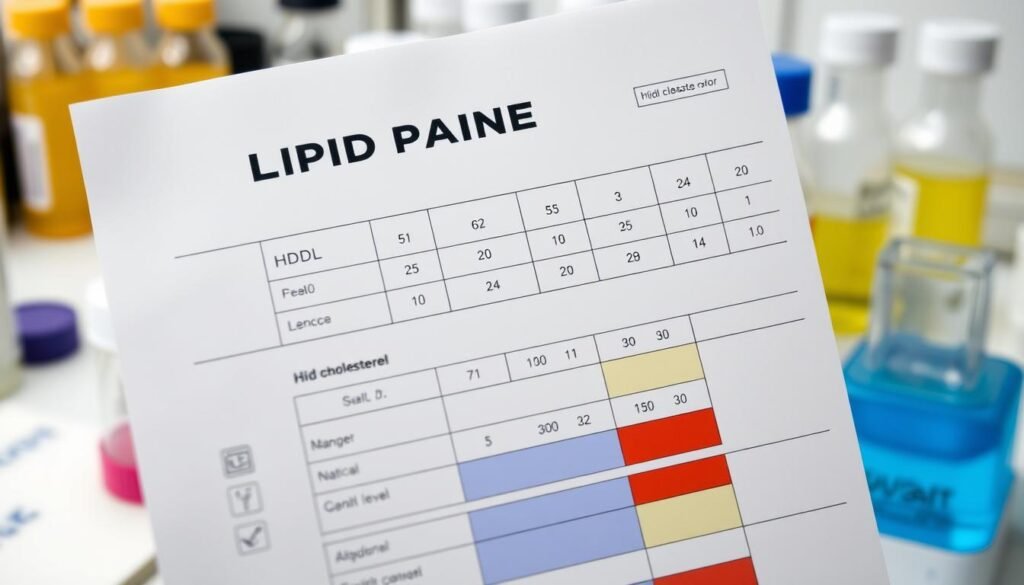
To understand the measurement of high HDL cholesterol, we look at the lipid panel. This blood test checks various types of cholesterol and triglyceride levels. It offers crucial insights into one’s heart health.
Understanding the Lipid Panel
The lipid panel checks important cholesterol components, such as total, LDL, and HDL cholesterol, along with triglycerides. HDL levels above 60 mg/dL are deemed optimal. For men, under 40 mg/dL suggests heart risk, and for women, under 50 mg/dL does too. HDL over 80 mg/dL could mean health issues.
Interpreting Your HDL Cholesterol Results
To interpret HDL results, one must consider the whole lipid profile and other health aspects. Low HDL may come from poor diet, inactivity, obesity, or certain illnesses. High HDL might be due to genetics, hyperthyroidism, or too much alcohol. Other factors like medication, infections, and individual health conditions also affect HDL. Regular tests are advised, especially for those over 65, to keep cholesterol in check.
Lifestyle Modifications to Enhance HDL Cholesterol
Boosting HDL cholesterol levels is key for heart health. By choosing the right foods and staying active, you can make a big difference. Let’s dive into how diet and exercise can increase your HDL, while avoiding bad substances.
Dietary Changes for Improving HDL Levels
Making smart food choices can push your HDL levels up. The Mediterranean diet has been praised for this. It focuses on fruits, veggies, grains, and good fats. Adding whey protein from dairy, and olive oil rich in polyphenols boosts HDL too. Don’t forget purple fruits and veggies because their anthocyanins help raise HDL levels.
The Impact of Exercise on HDL Cholesterol
Exercise is another powerful tool. Blend it with a good diet to elevate your HDL. Activities like walking, swimming, or running should be done for 150 minutes weekly. High-intensity workouts are especially good for increasing HDL. Moreover, dropping weight through diet or lifestyle changes improves HDL significantly.
Avoiding Harmful Substances: Tobacco and Alcohol
Stopping smoking is great for your HDL and health overall. Just 20 minutes after quitting, your blood pressure and heart pace start to normalize. A year without cigarettes and your heart disease risk drops sharply. While light drinking might up HDL, it’s not advisable for everyone. If you drink, do so in moderation—up to one drink a day for women and two for men under 65. Cutting back on tobacco and booze really helps boost your HDL.
hdl cholesterol high: Causes and Implications
High HDL cholesterol levels can come from genes and certain health issues. Knowing why HDL is high helps manage heart health. Gene changes, like in the CETP gene, might make HDL levels go up. This can lead to health problems we might not expect.
Genetic Factors Contributing to High HDL
Our genes greatly affect our cholesterol. People can inherit genes that make their HDL cholesterol high. These genes can also raise their heart disease risk, showing that high HDL isn’t always good. It’s crucial to get genetic testing if HDL levels are worryingly high.
Health Conditions Associated with High HDL Levels
Health issues can also change HDL cholesterol levels. Conditions like metabolic syndrome and diabetes can upset HDL levels. Chronic inflammation and other health problems can alter lipid profiles too. Spotting these issues matters, as they might indicate a higher heart risk. It’s important to regularly check cholesterol with a doctor. For more on high HDL causes, check out this link.
Medications and Treatments for Managing Cholesterol Levels
Keeping cholesterol in check is key for heart health. Many drugs help with this. They target different parts of cholesterol control and boost heart health.
Common Statin Therapies
Statins are a top choice for treating cholesterol. Drugs like atorvastatin and simvastatin lower bad cholesterol and fats. They can slightly raise good cholesterol. But, they sometimes cause muscle aches, nausea, and liver issues.
Other Medication Options for Cholesterol Management
Besides statins, there are other ways to manage cholesterol.
- Cholesterol absorption inhibitors, such as Ezetimibe, mainly lower bad cholesterol and have a minor effect on fats and good cholesterol.
- PCSK9 inhibitors, like Alirocumab and Evolocumab, greatly lower bad cholesterol, helping those who can’t take statins.
- Fibrates, example Fenofibrate, reduce bad fats and cholesterol while boosting good cholesterol, though muscle pain is common.
- Niacin cuts down bad cholesterol and fats, increasing good cholesterol, but might cause face flushing and stomach issues.
- Omega-3 fatty acids focus on high fats, potentially increasing good cholesterol, but might lead to digestive problems or a fishy aftertaste.
| Medication Class | Effect on LDL | Effect on HDL | Common Side Effects |
|---|---|---|---|
| Statins | Decrease | Slight Increase | Muscle pain, nausea, liver enzyme elevation |
| Cholesterol Absorption Inhibitors | Decrease | Slight Decrease | Stomach pain, fatigue |
| PCSK9 Inhibitors | Decrease | No Major Effect | Injection site reactions |
| Fibrates | Decrease | Increase | Nausea, muscle pain |
| Niacin | Decrease | Increase | Flushing, stomach upset |
| Omega-3 Fatty Acids | Lower | Possible Increase | Indigestion, fishy taste |
For best results in cholesterol management, drugs and healthy habits must go hand in hand. Always talk to doctors, as treatments need to be customized for each person.
Conclusion
Knowing about high HDL cholesterol and its effects on heart health is essential. While it usually offers protection, in some people, high HDL-C can actually increase heart disease risk. This shows why regular checks of your cholesterol levels are important.
Making healthy lifestyle choices is key to controlling your cholesterol. Eating well, staying active, and steering clear of bad habits are crucial. It’s also important to talk with doctors for advice tailored to you.
Recent studies have found that high HDL-C isn’t always a sign of lower heart risk. Research into HDL particles gives us more insight into these issues. For more on this topic, check out this important study on HDL and heart health.