Most people think eating foods high in cholesterol is bad for your heart. But research says dietary cholesterol doesn’t really raise blood cholesterol much. It’s actually saturated and trans fats that are more harmful. Knowing which foods high in cholesterol to eat is key for a healthy heart. This guide will help you understand these foods and their effects on health.
It’s a surprise to many that fats from coldwater fish like salmon and tuna are good for the heart. Eating fish regularly can reduce heart disease risk and increase omega-3 fatty acids intake. These acids are very beneficial for health.
We will explain the benefits and risks of eating high-cholesterol foods in this guide. Knowing how to include these foods in your diet can help manage cholesterol. This can improve your heart health and overall wellbeing.
Key Takeaways
- Dietary cholesterol has minimal impact on blood cholesterol for most individuals.
- Saturated and trans fats have a more significant effect on heart health.
- Incorporating fish rich in omega-3 fatty acids is beneficial.
- Monitoring cholesterol intake is essential for those with heart disease risk factors.
- Fiber-rich diets help lower cholesterol absorption in the bloodstream.
Understanding Cholesterol
Understanding the role of cholesterol in the body is key to good health. It is a waxy substance in all animal products. It helps make hormones, cells, and vitamins we need. Many wonder “what is cholesterol?” when looking at diets and health. Our bodies make cholesterol, but food also affects blood cholesterol levels.
What is Cholesterol?
Cholesterol is not always bad. It’s needed for making hormones, building cells, and creating vitamins. But too much can cause health issues. It’s key to know the types of cholesterol and their health effects.
Types of Cholesterol: HDL and LDL
There are two main types of cholesterol: High-Density Lipoprotein (HDL) and Low-Density Lipoprotein (LDL). HDL is called “good” cholesterol. It takes extra cholesterol from the blood to the liver to be removed. LDL, however, is “bad” cholesterol. Too much LDL can lead to plaque in arteries, heart attacks, and strokes.
It’s important to manage cholesterol for heart health. Diet greatly affects cholesterol. About 20% to 30% of blood cholesterol comes from food. Mainly, animal products give us cholesterol. But eating saturated and trans fats can raise LDL cholesterol more.
To balance cholesterol, add soluble fiber to your diet. Try to get 10 to 25 grams of soluble fiber each day. Also, keep saturated fat under 5% to 6% of daily calories and avoid trans fats. Eating a Mediterranean Diet helps too. It includes lots of plants, fish, lean poultry, and healthy fats. Knowing this helps us make better food choices.
The Misunderstanding Around Cholesterol
Many people are confused about cholesterol. They hold onto myths that don’t match current science. Understanding the truth is key for health and diet choices.
Cholesterol Myths vs. Facts
A common myth is high-cholesterol foods up blood cholesterol. But, most folks don’t see a big change from food alone. Our bodies balance cholesterol themselves, based on what we eat.
There’s also confusion about saturated fats. Yes, they can affect cholesterol. But looking at the whole diet is important. Foods high in fiber and unsaturated fats, like oatmeal, beans, avocados, and nuts, are good for balance.
Some think only overweight people have high cholesterol. But, cholesterol issues can touch anyone. Beyond weight, age, genetics, and habits also play roles.
High LDL cholesterol might show as yellowish skin growths, called xanthomas. These signs suggest an imbalance. They call for a doctor visit and lifestyle shifts.
Foods High in Cholesterol: A Complete Guide
It’s key to know the difference between healthy high-cholesterol foods and risky ones. This knowledge is vital for a balanced diet and good health. Some cholesterol-rich foods are nutritious, while others may harm your health if you eat too much.
Healthy High-Cholesterol Foods
There are many nutritious, cholesterol-rich foods that fit into a healthy diet. Examples include eggs, liver, and full-fat yogurt. For instance, a large scrambled egg has about 207 milligrams of cholesterol. But, it’s still good for you if you don’t overdo it.
Full-fat yogurt is also beneficial. It has around 31.8 milligrams of cholesterol per cup. Watching how much you eat is important. For example, 40g of liver pâté has 68 milligrams of cholesterol. A serving of sardines in oil contains about 131 milligrams. Shrimp are high in cholesterol too, with about 130 milligrams in 12 large shrimp.
Potential Risks of High-Cholesterol Foods
Some high-cholesterol foods can be bad for your health. Fried foods and processed meats are major culprits. Eating fast food can lead to health problems like heart disease and diabetes. In fact, eating two ounces of processed meat can raise your heart disease risk by 42%. This is due to the unhealthy fats and calories they contain.
For people with familial hypercholesterolemia, it’s especially important to limit cholesterol. Knowing which foods are healthy and which are not can guide your diet choices. For tips on keeping your cholesterol levels healthy through diet, check out this resource.
Nutritious Foods High in Cholesterol
Many foods high in cholesterol are also full of essential nutrients. They are great for a balanced diet. Knowing about these foods can help you choose wisely for good health.
Eggs: A Nutritional Powerhouse
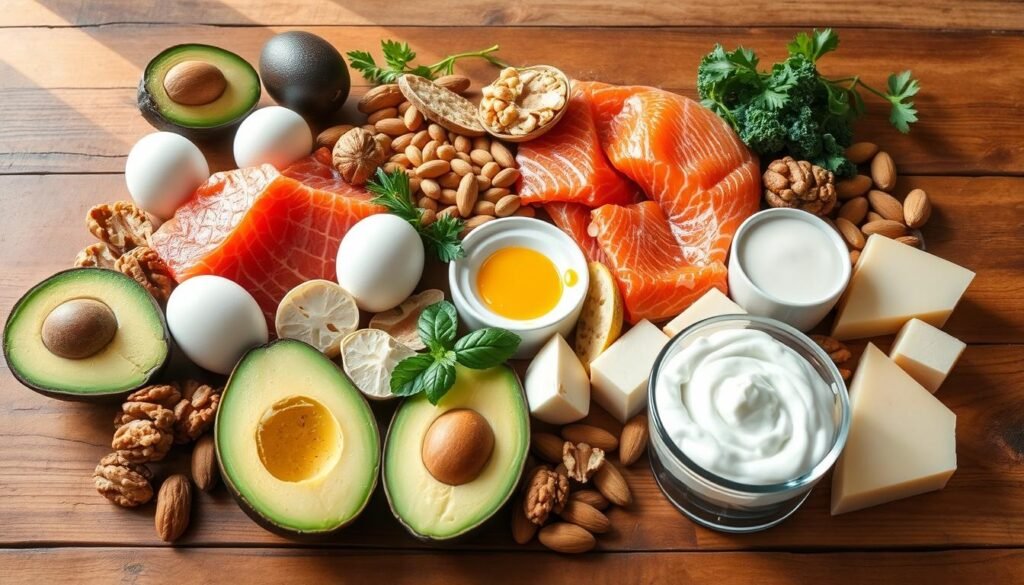
Eggs are known as a nutritional powerhouse. A large egg has about 200 mg of cholesterol, but also lots of protein, vitamins, and good fats. Studies suggest eggs can increase good cholesterol levels without badly affecting the bad levels for many people. Boiling or poaching eggs keeps their nutritional benefits intact. For tips on eating eggs in a heart-healthy way, check out this resource.
Cheese and Its Benefits
Some think cheese is bad because of its cholesterol. But, it offers calcium, vitamin B12, and doesn’t greatly increase LDL levels. Eating moderate amounts of cheese can make meals tastier and more enjoyable.
The Role of Shellfish in Your Diet
Shellfish like shrimp are high in cholesterol, with over 200 mg per cup. However, they are low in bad fat. They also have omega-3 fatty acids and protein, making them healthy when baked or steamed, not fried.
Pasture-raised Steak and Its Nutritional Value
Pasture-raised beef is healthier. It has less cholesterol and more nutrients like iron and zinc. Compared to regular beef, it also has better fats.
Organ Meats: Rich in Nutrients
Organ meats, especially liver, are packed with nutrients. Three ounces of chicken liver has about 500 mg of cholesterol. Despite the cholesterol, organ meats provide key vitamins A and B12. They are good in moderation.
Sardines: Small Fish, Big Benefits
Sardines are little fish with big health perks. They’re full of omega-3s, calcium, and protein. A little bit of sardines offers lots of nutrients without too much bad fat, making them heart-friendly.
Full-Fat Yogurt: Comfort and Nutrition
Full-fat yogurt is both comforting and good for you, with probiotics for your gut. While it’s higher in calories and fat, eating it in moderation is key. It provides protein, vitamins, and minerals for a balanced diet.
| Food Item | Cholesterol (mg per serving) | Saturated Fat (g per serving) |
|---|---|---|
| Egg (1 large) | 200 | 1.5 |
| Cheese (1 oz) | 30 | 6 |
| Shrimp (1 cup cooked) | 200+ | 1 |
| Chicken liver (3 oz) | 500 | 2 |
| Pasta-raised steak (3 oz) | 70 | 3 |
| Sardines (1 can) | 135 | 1.3 |
| Full-fat yogurt (1 cup) | 30 | 7 |
High-Cholesterol Foods to Avoid
Some high-cholesterol foods are okay, but others are bad for your health. It’s important to know which foods to eat less of. This will help you stay healthy. We’ll look at foods that should be limited or avoided.
The Dangers of Fried Foods
Fried foods are full of unhealthy trans fats. These fats come from partially hydrogenated oils. They’re linked to heart disease and obesity.
Eating fried foods often raises your heart disease risk. This is because they’re high in calories and bad fats. Using an air fryer is a better choice. It reduces bad fats while keeping the food crispy.
Why Fast Food is a Red Flag
Fast food is also bad for your cholesterol. It’s usually loaded with unhealthy fats and calories. This can make cholesterol levels go up and lead to obesity.
Burgers and other red meat fast foods have lots of saturated fat. Eating these foods often can cause health problems sooner.
Processed Meats and Health Risks
Processed meats, like bacon, hot dogs, and deli meats, are not good for you. They’re high in saturated fats and sodium. This is a problem for your cholesterol and heart health.
These meats bring bad elements into your diet. They could increase your risk for long-term health issues.
Understanding Unhealthy Desserts
Too many sugary desserts can be bad. Desserts like store-bought cookies and pastries have a lot of cholesterol and added sugars. They harm your health.
You should only eat sugary snacks sometimes. This helps keep your cholesterol and health in check.
| Food Type | Main Issues | Health Risks |
|---|---|---|
| Fried Foods | High in trans fats | Increased heart disease risk |
| Fast Food | High in bad fats and calories | Obesity and cholesterol increase |
| Processed Meats | High in saturated fats | Heart disease and chronic illnesses |
| Unhealthy Desserts | High in sugars and fats | Weight gain and cholesterol elevation |
How Dietary Cholesterol Affects Your Health
The debate on dietary cholesterol and health has changed over time. It’s important to understand how eating cholesterol affects our health. This is especially true when we look at cholesterol levels and heart disease.
Impact on Cholesterol Levels
How dietary cholesterol affects people varies. The Prospective Urban Rural Epidemiology (PURE) study looked at egg intake. It found that eating lots of eggs, at least seven a week, didn’t harm heart health in 177,555 people. Most studies also show that dietary cholesterol doesn’t strongly affect blood cholesterol in many people.
Cholesterol and Heart Disease
Eating certain foods can affect heart disease risk. Eating eggs may actually lower the risk of bad blood fat levels. It can also make the good-to-bad cholesterol ratio better. A study in China found that people who ate more eggs had a lower risk of high cholesterol.
This idea is supported by other research too. It shows that eating eggs daily doesn’t increase heart disease risk. This includes studies with over 80,000 female nurses.
Keeping cholesterol in balance is key for heart health. If bad cholesterol builds up, it can clog arteries and slow blood flow. We need to lower bad cholesterol and raise good cholesterol to lower heart disease risk. While the foods we eat matter, other factors like diet and health also play a big role.
Healthy Fats vs. Unhealthy Fats
It’s vital to know the difference between healthy and unhealthy fats for good health. The fats we eat affect our blood cholesterol and heart health. Making the right choice is key.
Saturated Fats in Foods
Saturated fats are in red meat, butter, and full-fat dairy. They can raise bad and good cholesterol levels. The Dietary Guidelines for Americans suggest consuming less than 10% of calories from these fats daily. The American Heart Association recommends even less: 5% to 6%. Although not as bad as trans fats, eat them in moderation.
The Role of Trans Fats
Trans fats are worse for health. They’re in processed and fried foods. These fats increase bad cholesterol and decrease good cholesterol. The U.S. FDA has banned artificial trans fats from food, a move supporting heart health. It’s important to cut down on trans fats.
| Type of Fat | Sources | Effects on Cholesterol | Health Risks |
|---|---|---|---|
| Saturated Fats | Red meat, butter, cheese, full-fat dairy | Increases LDL and HDL levels | Higher risk of heart disease |
| Trans Fats | Partially hydrogenated oils, some fried foods | Increases LDL, decreases HDL | Significantly raises heart disease risk |
| Healthy Fats (Monounsaturated and Polyunsaturated) | Olive oil, nuts, avocados, fatty fish | Can lower LDL and raise HDL | Lower risk of heart disease |
Maintaining a Balanced Diet
A balanced diet is key to managing cholesterol well. By choosing healthy foods, you can boost your health. It’s about knowing which foods to eat and which to avoid.
Incorporating Healthy Foods
Eating various healthy foods is good for your cholesterol. Things like oats, beans, and fruits have soluble fiber which blocks cholesterol. Fish like salmon have Omega-3 fatty acids. These lower bad cholesterol. You should have 10 to 25 grams of soluble fiber and 2 grams of plant stanols daily to help lower cholesterol.
Avoiding Unhealthy Choices
Avoiding bad food choices is crucial. Snacks and sugary drinks with trans fats and sugars can raise bad cholesterol. The ban on certain oils is helping reduce cholesterol in foods. Keeping below 2,300 milligrams of sodium a day can also cut heart disease risk. Watch how much alcohol you drink; two drinks a day for men and one for women is the limit for healthier cholesterol levels.
| Food Category | Healthy Foods | Unhealthy Choices |
|---|---|---|
| Fats | Olive oil, Avocados | Fried foods, Trans fats |
| Proteins | Fish, Legumes | Processed meats |
| Dairy | Low-fat yogurt, Milk | Sugary desserts, Full-fat dairy |
| Grains | Whole grains | White bread, Refined cereals |
| Snacks | Nuts, Fresh fruits | Chips, Candy |
Strategies for Lowering Cholesterol Levels
Lowering cholesterol is possible with dietary changes and more physical activity. We’ll share how to improve heart health significantly.
Dietary Changes That Help
Making smart dietary changes is key to managing cholesterol. Consider these tips:
- Consume at least 8 ounces of fish weekly, focusing on omega-3 rich types.
- Use lean meats, keeping fat under 15%.
- Choose oils like olive or canola over solid fats.
- Switch to low-fat dairy like skim milk and low-sodium cheese.
- Add whole grains like brown rice for extra fiber.
- Eat various colorful vegetables in salads to reduce cholesterol uptake.
- Snack on high-fiber fruits, especially berries, to help control cholesterol.
Importance of Physical Activity
Regular physical activity is great for cholesterol. Exercise improves your lipid levels and has other benefits:
- Try for 2.5 hours of moderate exercise weekly for better heart health.
- Losing 10 pounds can cut LDL cholesterol by 8%.
- Add strength training for better health and body shape.
- More activity raises good HDL cholesterol levels.
General Recommendations for Cholesterol Intake
Knowing about cholesterol limits helps keep us healthy. Nowadays, daily limits for healthy people have changed. This is because new research has shown more about how cholesterol affects our health.
Daily Limits for Healthy Adults
Now, healthy adults should only have up to 300 mg of cholesterol a day. People with heart disease risks might need to limit it to 200 mg. It’s crucial to watch how much cholesterol you eat. This is especially true for those with conditions like high cholesterol or blood fats. People should eat less saturated fats and avoid trans fats to protect their hearts.
Monitoring Cholesterol Levels
It’s important for adults to keep an eye on their cholesterol levels. Doctors often suggest starting checks at 40, especially if you’re at higher risk. Risk factors include being overweight, high blood pressure, or a family history of heart issues. Keeping track lets you adjust your diet and lifestyle to stay healthy. By using tools like nutrition labels and health advice, you can make better choices for your diet.
| Cholesterol Intake Limits | Population |
|---|---|
| 300 mg/day | Healthy Adults |
| 200 mg/day | At-risk Individuals |
Consulting Your Healthcare Provider
Taking control of cholesterol is not just about diet changes. It also means regular consulting healthcare provider visits. This is vital for those with current health problems. Knowing when to get professional advice for cholesterol and cholesterol tests interpretation is key. It helps people make better health decisions.
When to Seek Professional Advice
Seeing a healthcare provider is key when you have symptoms of high cholesterol. Being aware of risk factors is important. These include:
- Family history of high cholesterol
- Obesity or significant weight gain
- Age (men over 45 years and women over 55 years)
- Signs of cardiovascular issues, like shortness of breath or chest pain
These signs can guide when to consult experts, from doctors to specialists like cardiologists.
Understanding Cholesterol Tests
Understanding cholesterol tests results is crucial for managing health. Most often, doctors look at:
| Cholesterol Type | Desirable Levels |
|---|---|
| Total Cholesterol | Less than 200 mg/dL |
| LDL (“bad” cholesterol) | Less than 100 mg/dL |
| HDL (“good” cholesterol) | 40 mg/dL or higher |
| Triglycerides | Less than 150 mg/dL |
Talking regularly with healthcare professionals is important. It clears up concerns about these levels. Working with dietitians, lipidologists, or cardiologists helps create personalized cholesterol management plans.
Conclusion
Making informed food choices is key to managing cholesterol levels. Foods with cholesterol can still fit into a healthy diet. But, it’s important to look at the big picture, including genetics and life habits. These can affect how your body handles cholesterol.
Some groups, like Non-Hispanic Whites and Asian Americans, have different risks for high cholesterol. Men, especially those aged 20 to 39, also face higher risks than women. Keeping an eye on these factors and getting regular health checks is crucial, especially for those with diabetes or kidney issues.
A balance in your diet is beneficial. Being aware of foods with high cholesterol and their benefits matters too. Knowing how diet affects cholesterol levels helps people make choices for better health. This leads to improved overall well-being.