Is obesity the hidden reason for high cholesterol in America? We’ll explore how extra pounds can push up LDL, the “bad” cholesterol. This increases the heart disease risk.
Today, 40% of adults are obese, and severe obesity affects over 9%. It’s not just adults; children are also at risk. Diet, genes, and lifestyle are big factors. This shows why controlling weight and looking at heart health in a whole way is vital.
Key Takeaways
- Obesity significantly increases the risk of high cholesterol, particularly LDL levels.
- Over 40% of adults in the U.S. struggle with obesity, a key factor in cardiovascular health issues.
- The interaction between family history and lifestyle choices plays a critical role in cholesterol levels.
- Children are increasingly affected by obesity, raising concerns for future health outcomes.
- Understanding lipid metabolism is crucial for managing cholesterol levels effectively.
- Sustained weight loss can improve LDL quality, lowering the risk of cardiovascular disease.
The Rise of Obesity in America
The prevalence of obesity in America has become a major concern for public health. Over one-third of adults are now classified as obese, according to their Body Mass Index (BMI). Sedentary lifestyles, poor eating habits, and socio-economic challenges are key reasons for this.
Obesity leads to serious health problems, like type 2 diabetes and heart diseases. In 2019, the costs for medical care linked to obesity were near $173 billion. Additionally, obesity causes between $3.38 billion and $6.38 billion in yearly absenteeism costs in the U.S.
Overweight young adults, aged 17-24, are too heavy for military service. In 2020, 19% of active-duty service members were obese. This was an increase from 16% in 2015. Obese soldiers have a 33% higher risk of getting musculoskeletal injuries.
Obesity means more than just being overweight. It’s linked with almost 90% of type 2 diabetes cases. It also greatly raises the chance of high blood pressure, cholesterol, and serious diseases like heart disease.
The worsening obesity statistics highlight the need for immediate action. We must tackle the underlying causes to reduce the health risks threatening Americans’ well-being.
The Definition of High Cholesterol
High cholesterol, known as hyperlipidemia, is a major health issue in the United States. It happens when you have too much cholesterol in your blood. This includes more low-density lipoprotein (LDL) and triglycerides but less high-density lipoprotein (HDL). Knowing about high cholesterol means understanding it can cause heart disease and stroke.
If an adult’s total cholesterol level is over 200 mg/dL, they have high cholesterol. The best level is around 150 mg/dL. Knowing about different cholesterol levels is crucial for health. Optimal LDL should be near 100 mg/dL. For protection against heart disease, men need HDL above 40 mg/dL and women above 50 mg/dL. Also, triglyceride levels should be under 150 mg/dL.
Diet, lack of exercise, and family history can lead to high cholesterol. Diseases like type 2 diabetes and obesity are also risks. An alarming ninety-three million American adults have cholesterol levels too high. Regular checks can help find and manage high cholesterol early.
To understand more about cholesterol and hyperlipidemia, check this informative resource. Changing your lifestyle by eating better and exercising more can greatly improve your cholesterol. This leads to better health.
How Obesity Increases the Risk of High Cholesterol
Obesity and high cholesterol are closely linked due to certain processes in the body. Extra body fat can change how we metabolize fats, increasing bad cholesterol (LDL) and triglycerides. Gaining just 10 pounds might add up to 10 milligrams of cholesterol every day. People with obesity struggle to process fats well, which ups their risk for poor cholesterol levels.
Understanding Lipid Metabolism
Obesity affects cholesterol levels mainly through lipid metabolism. Having too much fat can lead to too much cholesterol, raising LDL levels. This cycle makes the risk of high cholesterol from obesity even worse. To combat this, changing lifestyle, eating better, and exercising are key. These changes can make a big difference in cholesterol levels and health.
Body Mass Index (BMI) and Its Implications
BMI is a key measure for defining obesity, with a BMI over 30 indicating being overweight. As BMI goes up, so does the chance of cholesterol problems. Losing just 5% of body weight can help lower LDL and overall cholesterol significantly. It’s smart to keep an eye on cholesterol regularly, especially for those with high BMI.
| Cholesterol Type | Desirable Level (mg/dl) | Borderline High/High Level (mg/dl) |
|---|---|---|
| Total Cholesterol | Less than 200 | 200-239 (borderline high) / 240 and above (high) |
| LDL Cholesterol | Less than 100 (optimal) | 130-159 (borderline high) / 160-189 (high) / 190 and above (very high) |
| HDL Cholesterol | 60 and above (protective) | 40-59 (medium risk) / Less than 40 (serious risk) |
To wrap up, understanding BMI and how our bodies handle fats is key to managing obesity and cholesterol risks. Adopting healthy habits can positively affect cholesterol and heart health. For more info, see these articles on obesity and cholesterol and the newest cholesterol studies at new research insights.
The Types of Cholesterol: LDL vs. HDL
It’s key to know about different cholesterol types for good health. LDL, or low-density lipoprotein, is the “bad” cholesterol. Too much LDL can clog arteries and raise the chance of heart disease. HDL, or high-density lipoprotein, is the “good” cholesterol. It helps take cholesterol away from the arteries.
A balance between LDL and HDL is crucial. For folks without heart issues, LDL should be under 130 mg/dL. If there’s a history of heart disease, keeping LDL below 70 mg/dL is wise. HDL should be over 50 mg/dL for women and 40 mg/dL for men to help protect the heart.
Lifestyle has a big impact on cholesterol. Being overweight can boost LDL and lower HDL. Eating too much saturated fat is also bad. Experts suggest getting less than 10% of your calories from these fats. Drinking a lot of alcohol can mess up your cholesterol too.
As we get older, cholesterol levels usually change. This is often seen in folks aged 40 to 59. Certain groups, like Asian Americans, might have more LDL. Hispanic Americans might have less HDL. But, many African Americans could have more HDL.
https://www.youtube.com/watch?v=SPefCq7rzDk
To wrap it up, knowing about LDL and HDL cholesterol is fundamental. By watching these levels and changing how we live, we can look after our heart. This helps lower the dangers of having too much cholesterol.
The Link Between Obesity and Cardiovascular Health
It’s vital to understand how obesity and heart health are connected. This issue is growing in the United States. Obesity affects the body’s fats, leading to higher heart disease risks. With about 70% of adults overweight or obese, we need to look into this issue.
Impact of Obesity on the Lipid Profile
Extra body fat changes the lipid profile in many ways. It mainly increases visceral fat. This leads to high bad cholesterol (LDL) and low good cholesterol (HDL). Too much fat causes inflammation and insulin issues, making heart risks worse.
These issues make heart health spiral downwards. This worsens the chance of having diseases like high blood pressure and heart disease. Visceral fat is a big concern since it greatly increases heart disease risks. Studies show a clear link between belly fat and other risks like high fats and diabetes.
Obesity is linked to about 2.6 million deaths worldwide. It’s a known cause of many dangerous diseases. The data highlight the strong connection between being overweight and heart risks:
| Statistic | Value |
|---|---|
| Adults classified as overweight or obese in the U.S. | Nearly 70% |
| CVD mortality attributable to obesity globally | 2.6 million deaths |
| Strong association of hypertension with obesity (R2) | 0.811 |
| Obesity prevalence among Non-Hispanic Black women | Nearly 57% |
| Impact of obesity on new cancer cases across Europe | 200,000 cases per year |
We can’t ignore the links between obesity, lipid profiles, and heart health. It’s critical to monitor cholesterol in people with obesity to help address these health issues.
Metabolic Syndrome: A Closer Look
Metabolic syndrome includes conditions that increase health issues like heart disease and diabetes. Insulin resistance is a key factor, affecting cholesterol and health. Knowing how obesity impacts cholesterol and its link to metabolic syndrome is vital.
Connection Between Insulin Resistance and Cholesterol Levels
People with metabolic syndrome may have trouble using insulin. This can make controlling blood sugar hard, raising diabetes risk. Insulin resistance also leads to high cholesterol by affecting how the body deals with fats. This means obesity can cause bad cholesterol levels to rise.
The National Heart, Lung, and Blood Institute says metabolic syndrome diagnosis needs three or more risk factors. These include belly fat and high triglycerides, often due to insulin resistance.
Effects on Both Adults and Children
Metabolic syndrome isn’t just an adult problem; it starts in childhood for some. Overweight young people are more likely to get it, risking their future health. The American Heart Association sees it as a major heart disease cause, even more than smoking.
Age, ethnicity, and lack of exercise play roles in its development, especially in Hispanics and Hispanic women. Starting early with healthier choices is key to avoiding serious health problems later. Studies show that better habits improve metabolic health.
Weight Management Strategies
Effective weight management is key to lowering high cholesterol and avoiding related diseases. Making sustainable changes in how we live can greatly improve our health. This includes eating differently, moving more, and changing our behavior.
Losing just 5-10% of your starting weight can greatly lower bad cholesterol and triglycerides. Eating smaller, more frequent meals helps keep a steady weight. It also keeps your energy up and makes you feel full.
Doing 30 minutes of moderate exercise like fast walking most days is good for your health. It’s important to find fun ways to add exercise into your day. This keeps you active and helps manage your weight better.
- Keep tempting foods out of sight to eat less of them.
- Using smaller plates helps control how much you eat.
- Being mindful about eating improves your relationship with food.
Keeping track of your progress is crucial for weight control. Weighing yourself weekly and jotting down what you eat helps you see how you’re doing. Programs that offer diet advice, behavior therapy, and professional support work well, especially for those at greater risk.
It’s possible for people with different body types to stay healthy. Being fit and well at a higher weight shows why personal weight plans are important. For more information, check reliable sources like cholesterol prevention.
| BMI Classification | BMI Range |
|---|---|
| Underweight | Less than 18.5 |
| Normal Weight | 18.6 to 24.9 |
| Overweight | 25 to 29.9 |
| Grade 1 Obesity | 30 to 34.9 |
| Grade 2 Obesity | 35 to 39.9 |
| Grade 3 Obesity | 40 or Above |
By understanding these strategies, people can make powerful changes in their lives. They can reach their goals for managing their weight effectively.
How a Healthy Diet Influences Cholesterol Levels
Choosing a healthy diet is key for controlling cholesterol in your body. Focusing on foods to lower cholesterol can boost your heart health big time. Studies show you can reduce bad LDL cholesterol and increase good HDL cholesterol with the right food.
Foods to Incorporate for Better Lipid Levels
To eat healthier and manage lipids, add a mix of nutritious foods to your diet. Try to include:
- Fruits and Vegetables: They’re full of fiber, vitamins, and antioxidants.
- Whole Grains: Foods like oats and barley aid in reducing LDL cholesterol.
- Lean Proteins: Choose from poultry, fish, and plant-based proteins that have less unhealthy fats.
- Healthful Fats: Avocados, nuts, and olive oil have monounsaturated fats that help cholesterol levels.
Studies prove that good fats and lots of soluble fiber lower LDL cholesterol. Try getting 10 to 25 grams of soluble fiber a day. Also, keeping saturated fat under 5% to 6% of daily calories helps your heart stay healthy.
The Mediterranean Diet is great for managing cholesterol through food. It promotes eating whole foods and cutting down on bad fats. This diet can decrease cholesterol and lessen heart disease risks.

The Importance of Physical Activity
Regular physical activity and cholesterol management are key to good health and long life. Consistent exercise offers many benefits, like weight control and better cholesterol levels. It’s estimated that 110,000 deaths each year could be avoided if adults over 40 exercised more.
This doesn’t just help with obesity management but also lowers disease risks. Those who are regularly active face fewer severe health issues from diseases, including COVID-19. Studies have found a link between being active and having fewer hospital visits or deaths from the virus.
Following guidelines on aerobic and strength exercises leads to fewer deaths from respiratory diseases. This includes conditions like the flu and pneumonia.
Walking is an easy way to stay active. For those under 60, 8,000 to 10,000 steps a day can help reduce the risk of dying early. For those 60 and older, 6,000 to 8,000 steps is beneficial. Keeping up a high level of activity is especially important for reducing heart disease risk in those who are overweight.
Those with high levels of activity face much lower risks of heart diseases compared to inactive people.
Exercise helps improve HDL cholesterol levels and lower triglycerides. It also significantly reduces LDL cholesterol levels, thus cutting down heart attack and stroke risks. This shows the importance of daily physical activity in managing cholesterol and boosting heart health.
Monitoring and Testing Cholesterol Levels
Getting your cholesterol checked is very important if you have a high risk of it. This is especially true for people who are obese. From 2017 to 2020, around 86.4 million adults in the U.S. had high or borderline high cholesterol levels. This means they had a total cholesterol level of 200 mg/dL or more. Regular health check-ups help people understand their cholesterol status clearly.
Experts say adults should get their cholesterol tested every 4 to 6 years. Kids and teenagers need tests at certain ages too. The first test is recommended when they are between 9 to 11 years old. After that, they should get a check-up every five years.
Men who are 45 to 65 and women who are 55 to 65 need tests every 1 to 2 years. After turning 65, everyone should get their cholesterol checked every year. This age group has a higher risk of heart disease.
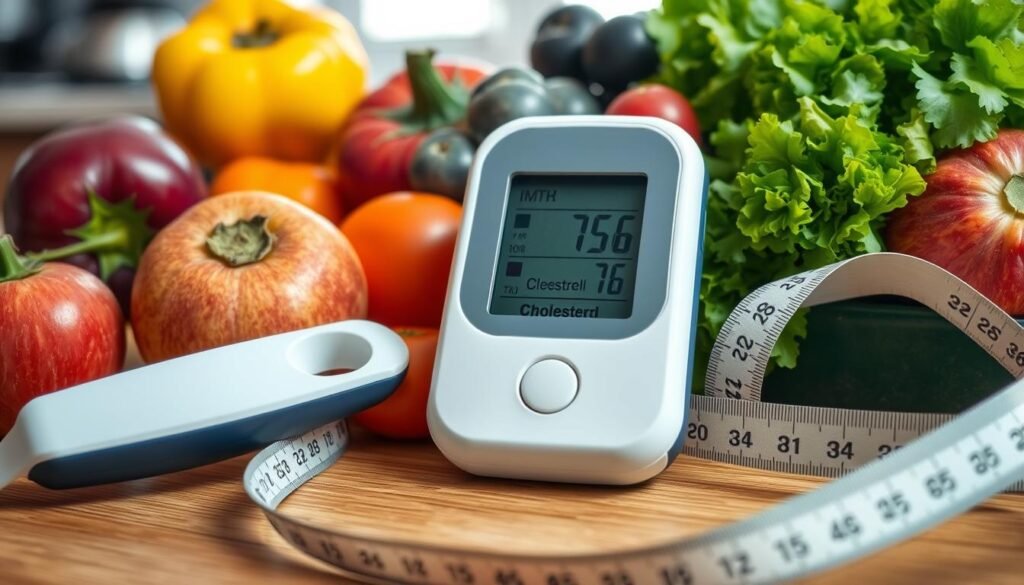
The full cholesterol check looks at LDL (bad) cholesterol, HDL (good) cholesterol, triglycerides, and your total cholesterol. You might need to fast for 8 to 12 hours before the test. It’s also important to consider other factors. These include family history, age, sex, and lifestyle, especially smoking habits.
- Total cholesterol level of less than 200 mg/dL is considered normal.
- A total cholesterol level between 200 to 239 mg/dL is classified as borderline high.
- Levels of 240 mg/dL or greater indicate high cholesterol.
- Non-HDL cholesterol levels should remain below 150 mg/dL.
If you have many risk factors, like high blood pressure or a history of diabetes, start testing earlier. Men should start at 25 to 30 years and women at 30 to 35 years. Knowing your cholesterol levels helps you make good choices. This might include lifestyle changes or seeking medical help. The main goal is to keep an eye on your cholesterol. This reduces the risk of heart disease and stroke.
Conclusion
Obesity and high cholesterol are big health issues in the United States. People with obesity face changes in how their body handles cholesterol. This includes lower levels of “good” cholesterol. That makes heart disease more likely, which is why it’s important to act.
Making lifestyle changes can help manage cholesterol. This means eating healthier, staying active, and getting regular check-ups. Keeping a healthy weight can improve cholesterol and cut heart disease risks. These actions can lead to better health overall.
It’s key to understand the link between obesity and high cholesterol. By knowing the risks and taking steps to manage them, we can build healthier communities. A committed effort to a healthier lifestyle can lower the risk of diseases from obesity and high cholesterol.