In 2021, about 695,000 people died from heart disease in the U.S. This highlights a major health concern: high cholesterol’s dangers. Many don’t realize how quickly cholesterol can go from safe to risky. Thus, it’s critical to know how high cholesterol impacts heart health over time.
For adults, a healthy total cholesterol level is under 200 mg/dL. Levels over 240 mg/dL are considered high. It’s important to check your cholesterol every four to six years, as the American Heart Association advises. Yet, many don’t know their cholesterol level until it’s too late, underestimating the risk of heart disease.
Genetic factors like familial hypercholesterolemia also highlight the need for vigilant cholesterol management. This condition affects 1 in every 200 to 500 people. For more insights into cholesterol’s history and impact, check out the thorough article on cholesterol and heart disease.
Key Takeaways
- Maintaining healthy cholesterol levels is crucial for reducing the risk of heart disease.
- Regular cholesterol checks are recommended every four to six years for adults.
- Levels above 240 mg/dL are classified as high and require urgent attention.
- Genetic factors can significantly influence cholesterol levels and heart health.
- Understanding the timeline of high cholesterol effects can help in early intervention.
- Effective management through diet and exercise can reduce cholesterol risks significantly.
- Statins and other medications play a vital role in lowering cholesterol.
What is Cholesterol?
Cholesterol is a type of fat that is important in the body. It helps with building cells, making hormones, and digestion. But, it’s important to know about both its good and bad sides to stay healthy.
Types of cholesterol include HDL and LDL. HDL is known as the “good cholesterol” because it cleans the bloodstream. LDL is called “bad cholesterol” because it can block arteries if there’s too much of it. Around one in six Americans has high cholesterol, so it’s key to pay attention to it.
Many Americans have not checked their cholesterol in the last five years. Skipping tests can lead to health problems since high cholesterol gets worse over time. People should keep their LDL below 100 mg/dL. Those with heart disease need to be even more careful. A good HDL level is 60 mg/dL or more, and triglycerides should be under 150 mg/dL.
High cholesterol usually doesn’t hurt or show signs, so tests often get overlooked. Things like smoking, stress, too much alcohol, and not moving enough can make it worse. Knowing about different cholesterol types is crucial for your health. It affects how likely you are to get heart disease.
Types of Cholesterol: HDL vs. LDL
It’s very important to know the difference between HDL and LDL cholesterol for heart health. HDL is called good cholesterol. It takes LDL cholesterol back to the liver to get rid of it. This helps prevent heart disease and stroke. On the other hand, LDL, or bad cholesterol, can create plaque in arteries leading to heart problems.
For heart safety, LDL cholesterol should be under 100 mg/dL. Getting your cholesterol checked every five years is a good idea if it’s normal. But if it’s high, you need to check it more often. Eating more plants can cut down your total and LDL cholesterol by 15%.
Eating foods with 2 to 3 grams of phytosterols each day can drop your total cholesterol by 11% and LDL by 15%. If you add regular exercise to these diet changes, you’ll manage your cholesterol even better. To really understand cholesterol and take control of it, check out this CDC link.
Keeping a good balance of HDL and LDL cholesterol is crucial for heart health. Making smart choices in how you live can greatly impact your cholesterol levels.
Impact of High Cholesterol on Health
High cholesterol significantly affects our health and public well-being. About 1 in 6 Americans has high cholesterol, increasing their health risks. Bad cholesterol, or LDL, causes plaque to build up in arteries. This can lead to heart disease, a major cause of death.
About 1 in 3 Americans hasn’t checked their cholesterol in the last five years. Not knowing the effects of cholesterol can delay important life changes and treatments. It’s best to keep LDL below 100 mg/dL. But for people with heart disease, under 70 mg/dL is safer. Good cholesterol, HDL, should be 60 mg/dL or more.
Often, there are no signs of high cholesterol until it’s too late. Problems like heart attacks and strokes can suddenly happen. Having high cholesterol early in life can mean health problems later, as risks grow with cholesterol levels. Sadly, many do not regularly check their cholesterol.
Bad lifestyle choices, like eating unhealthy, not exercising, and smoking, raise cholesterol levels. Eating foods high in unsaturated fats, like nuts, can boost good cholesterol. Eating lots of soluble fiber can lower bad cholesterol.
It’s important to know your cholesterol balance to assess heart disease risks. By eating better, exercising, and getting medical help, you can improve your health and fight high cholesterol.
Cholesterol Risks: Understanding the Dangers
High cholesterol can be a big health issue. It often leads to fat build-up in arteries. This can cause heart attacks, strokes, and high blood pressure. Managing health well is key to avoiding these risks.
Studies have interesting findings about cholesterol and life span. In fact, 92 percent of people with high cholesterol lived longer than expected. This finding questions some heart disease prevention advice. Also, most over-50s had less death risk with higher cholesterol.
Statin therapy helps people of all ages live longer by lowering bad cholesterol. Research proves that lowering LDL can cut heart disease risks for everyone. Doctors stress the importance of meds in keeping cholesterol down for the elderly.
Yet, some don’t agree that high cholesterol causes heart disease. They point to flaws in the research. Also, this debate gets much attention in the media.
It’s crucial to know one’s cholesterol numbers for good health. A safe LDL level is under 70 mg/dL for heart disease risks. HDL should be 40 to 59 mg/dL, and triglycerides under 150 mg/dL.
| Cholesterol Type | Optimal Levels | High Levels |
|---|---|---|
| LDL | Below 70 mg/dL (High Risk) | Above 100 mg/dL |
| HDL | 60 mg/dL or above | Below 40 mg/dL |
| Triglycerides | Below 150 mg/dL | Above 200 mg/dL |
How Long Does High Cholesterol Take to Kill You?
High cholesterol is a big health issue that needs attention to prevent serious illnesses. How quickly it can harm you varies, depending on your genes, health, and lifestyle. It’s vital to know that high cholesterol can bring significant health problems in a few years.
Timeline of Elevated Cholesterol Effects
Often, people don’t feel the effects of high cholesterol for a long time. But it’s slowly harming their heart health. High cholesterol can cause atherosclerosis, making arteries narrow and stiff. This increases the risk of heart disease over time.
Studies show that having high cholesterol for 11 years or more doubles the risk of heart disease. This is compared to those who haven’t had high levels for as long.
Variability Based on Individual Health
How high cholesterol impacts you can depend on personal health factors. Being overweight, not exercising, or eating poorly can worsen the effects. Treatment can help some people quickly, within six to eight weeks. Yet, others may need more time to see improvement.
Regular checks are crucial, especially if you’re over 45 or already have health issues. Knowing your risks helps manage cholesterol well. For further details on high cholesterol, check this resource.
| Health Impact | Timeframe |
|---|---|
| Initial increases in heart disease risk | 5 to 10 years |
| Visible artery damage | 10 to 15 years |
| High likelihood of heart attack or stroke | Over 15 years |
| Significant increase in healthcare costs due to complications | Ongoing after diagnosis |
Consequences of High Cholesterol Levels
The consequences of high cholesterol go beyond health numbers. About 93 million American adults have hyperlipidemia. This means their cholesterol levels are over 200 mg/dL. High cholesterol increases the risk of heart diseases, which is a top cause of death in the U.S.
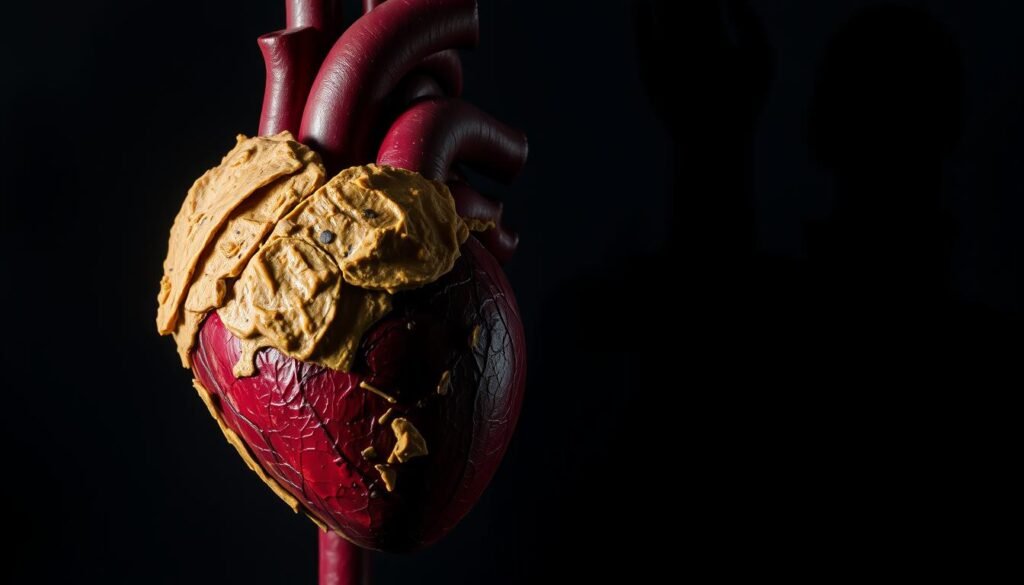
LDL cholesterol can build up in blood vessels, forming plaque. This buildup can cause severe cardiovascular complications. These include heart attacks, strokes, and coronary heart disease. It can even lead to sudden cardiac arrest. The plaque makes blood vessel walls thicker, making it hard for blood to flow. This can cause angina and increase heart attack risks.
High LDL cholesterol levels can also harm your mental health. Studies connect high LDL levels with vascular dementia risk. This condition affects memory and thinking. It’s vital to be aware of these impacts to manage cholesterol properly.
Lifestyle changes can help control high cholesterol. Eating better, being more active, and sometimes medication can lower LDL cholesterol. This reduces the risk of severe heart problems. You can learn more about cholesterol and heart health, including how plaque leads to heart attacks here.
| Health Risks Associated with High Cholesterol | Description |
|---|---|
| Heart Attack | Caused by disrupted blood flow due to plaque buildup. |
| Stroke | Occurs when blood supply to the brain is blocked by clots. |
| Coronary Heart Disease | Result of plaque accumulation in coronary arteries, reducing oxygen-rich blood flow. |
| Peripheral Artery Disease | Affects blood flow to limbs, potentially leading to tissue damage. |
| Vascular Dementia | Impacts memory, thinking, and behavior when blood flow to the brain is insufficient. |
Atherosclerosis: A Silent Threat
Atherosclerosis involves the buildup of plaque in arteries, posing a major risk to heart health. It can lead to serious issues like heart attacks or strokes without warning signs. The cause is high levels of bad cholesterol, which sticks to artery walls.
Several lifestyle choices raise the risk of atherosclerosis. Smokers are much more likely to get heart disease. Being overweight also raises bad cholesterol while lowering good cholesterol. As people get older, their bodies don’t handle cholesterol as well. Women may be at higher risk after menopause due to changes in cholesterol levels.
Another key factor is familial hypercholesterolemia (FH), a genetic condition that raises cholesterol levels early on. If one parent has FH, their child has a 50% chance of inheriting it. This greatly increases their risk of heart disease at a young age.
Atherosclerosis is a top cause of death and disease worldwide. Sadly, heart disease deaths have gone up in the last decade for men and women in the US. Many suffer from severe complications due to atherosclerosis.
A comprehensive approach is vital to manage atherosclerosis as it can lead to various complications. Managing LDL cholesterol is important. Yet, many who need treatment don’t stick with it, often stopping their medication within six months.
It’s crucial to know how dangerous atherosclerosis can be. Regular doctor visits and healthier living can greatly lower the risks.
| Risk Factor | Impact on Atherosclerosis |
|---|---|
| Smoking | 2-4 times higher risk of developing heart disease |
| Obesity | Increased triglycerides, decreased HDL cholesterol |
| Familial Hypercholesterolemia | 50% chance of passing on high cholesterol risk |
| Age | Metabolism changes lead to higher cholesterol risks |
| Gender | Post-menopausal women experience increased LDL levels |
Heart Disease and High Cholesterol Links
The link between heart disease and cholesterol is clear. Many studies show how high cholesterol affects our health. It’s a big risk factor for heart attacks and strokes. Understanding this can help us live longer.
Statistics and Impact on Life Expectancy
Statistics show worrying trends about cholesterol and heart health. About 1 in 3 adults in the U.S. has high cholesterol. This problem can start in childhood. People with high cholesterol face more health risks.
- 1 in 5 people under age 65 who die from heart disease suffer from coronary artery disease (CAD).
- Nearly 1 in 6 average Americans have high cholesterol levels.
- About 1 in 3 adults also have high blood pressure, which can worsen cholesterol problems.
- For over half of adults with high cholesterol, treatment doesn’t work or they don’t get it.
- Individuals with chronic kidney disease (CKD) are at higher risk of coronary artery disease.
The numbers show how important cholesterol is for our lifespan. Having too much LDL, or “bad” cholesterol, is dangerous. Ideally, LDL should stay below 100 mg/dL. People at risk of heart disease should aim even lower. HDL, or “good” cholesterol, should be above 60 mg/dL to help us.
Overall, the data on heart disease and cholesterol points to a major health issue. We need to keep spreading awareness. Managing cholesterol levels can help us live longer and fight heart disease.
Recognizing the Symptoms of High Cholesterol
High cholesterol usually doesn’t show clear signs. This makes knowing about cholesterol crucial for everyone. Because symptoms are rare, getting blood tests, like lipid panels, is key for tracking cholesterol.
Cholesterol’s impact on health is complex. An LDL (“bad” cholesterol) level under 130 mg/dL is best. Yet, an LDL level under 40 mg/dL for men and 50 mg/dL for women is too low. It’s important to know that diet affects only 10-12% of cholesterol levels. Genetics and how the liver works are also big factors.
Getting regular check-ups helps catch high cholesterol early. Doctors suggest starting screenings at age 20, with checks every four to six years. People at higher risk might need to go more often. This helps them keep an eye on their health and manage cholesterol well.
| Cholesterol Level | Risk Level | Recommended Action |
|---|---|---|
| LDL below 100 mg/dL | Optimal | Maintain Healthy Lifestyle |
| LDL 100-129 mg/dL | Near Optimal | Regular Monitoring |
| LDL 130-159 mg/dL | Borderline High | Consider Dietary Changes |
| LDL 160-189 mg/dL | High | Consult Healthcare Provider |
| LDL 190 mg/dL and above | Very High | Immediate Medical Intervention Needed |
Knowing about high cholesterol helps us take early action. The lack of symptoms means we must not skip regular check-ups. Leading a balanced life, with good diet and exercise, improves heart health. This also helps in managing cholesterol levels better.
Effective Management with Diet and Exercise
Managing cholesterol takes both diet and exercise. In the U.S., nearly 94 million adults have high cholesterol. A healthy lifestyle includes a heart-healthy diet, which improves cholesterol.

The Mediterranean and DASH diets help lower cholesterol. They focus on fruits, vegetables, whole grains, and lean proteins. These foods are good for your heart. Studies show vegetarians usually have lower cholesterol than meat-eaters. With the right diet and exercise for cholesterol, you’ll see better numbers in months.
Exercise is key to a healthy heart. It raises HDL (good cholesterol) and lowers LDL (bad cholesterol). A regular exercise routine also helps control weight and strengthens your heart.
Diet changes take time to affect cholesterol levels. Medications like statins work faster, but lifestyle changes take months. Still, a healthy lifestyle has lasting benefits.
For healthy cholesterol, diet and exercise must go hand in hand. This approach improves cholesterol and boosts overall health and heart strength.
Statin Medications: A Treatment Perspective
Statin medications are key in managing high cholesterol. They focus on reducing LDL cholesterol. More than 200 million people use these drugs every day. Their impact on cholesterol control has sparked a lot of interest and studies. One study of 170,000 statin users showed big benefits. It found a major drop in the risk of heart attacks and strokes.
A 2008 study from the JUPITER Trial showed impressive results. It found a 54% lower risk of heart attacks and a 48% lower risk of strokes in those at risk of heart disease who used statins. This highlights how crucial LDL-lowering drugs are for heart health.
While statins are beneficial, some people report mild side effects. About 10% get muscle aches. But, severe muscle damage is very rare. It happens to only about 1 in 10,000 patients. Despite this, statins can increase Type 2 diabetes risk slightly. This is more common in those with metabolic syndrome. Yet, the benefits often outweigh these risks.
Liver damage from statins is quite rare. This means regular liver tests are mostly not needed. Lowering LDL by 40 mg/dl can cut the risk of heart-related deaths, attacks, or strokes by 21% each year. This shows how important statins are in managing cholesterol levels.
| Medication | LDL Reduction (% range) | Estimated Users Worldwide (millions) |
|---|---|---|
| Atorvastatin | 25% – 60% | Over 200 |
| Simvastatin | 20% – 50% | Multiple studies confirm high usage |
| Rosuvastatin | 20% – 60% | Popular among diverse demographics |
Statins are used more and more, especially by adults over 40 in the US. This shows they know how important these drugs are in treating cholesterol and preventing heart disease. Using statins to manage high LDL levels is a step forward. It fights the big risks of high cholesterol. This leads to better health for everyone.
Conclusion
Knowing how high cholesterol affects health is key. High cholesterol can lead to heart disease and increase death risk. Everyone should get regular health checks and make good lifestyle choices.
It’s important to eat right and stay active to keep your heart healthy. These steps can lower the dangers of high cholesterol. Keeping a healthy heart impacts how long you live, so it’s something to work on every day.
It’s crucial for all of us to understand high cholesterol risks. By making smart choices, we can live longer, healthier lives. Start taking care of your heart now, and your future self will thank you.